THE ADVENTURE COLLECTIVE® · Independent discovery and booking for outdoor travel

Glide through mangrove channels and past traditional fishing villages on a 2–3 hour boat safari from Negombo. Expect rich birdlife, soft sunset light, and local stories about life on the lagoon.
Glide through mangrove channels and past traditional fishing villages on a 2–3 hour boat safari from Negombo. Expect rich birdlife, soft sunset light, and local stories about life on the lagoon.
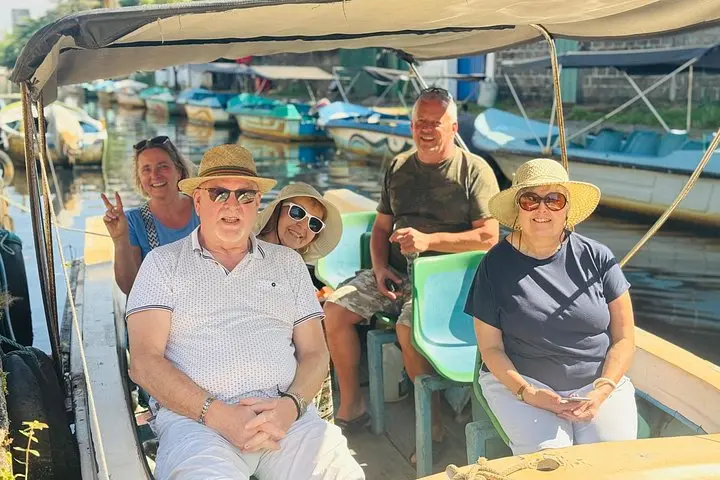
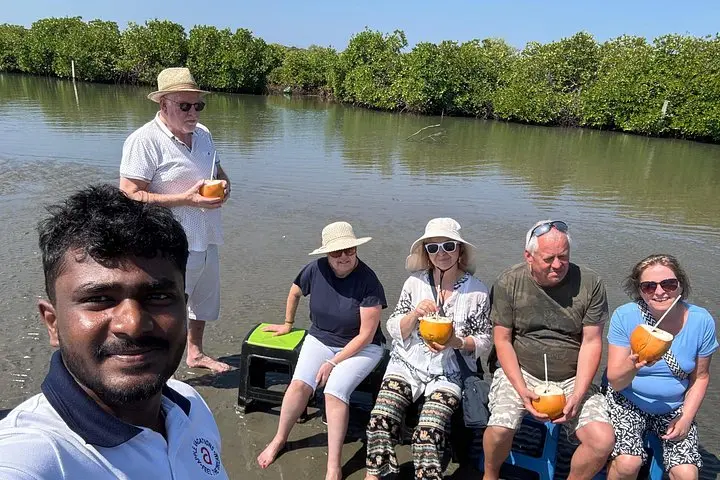
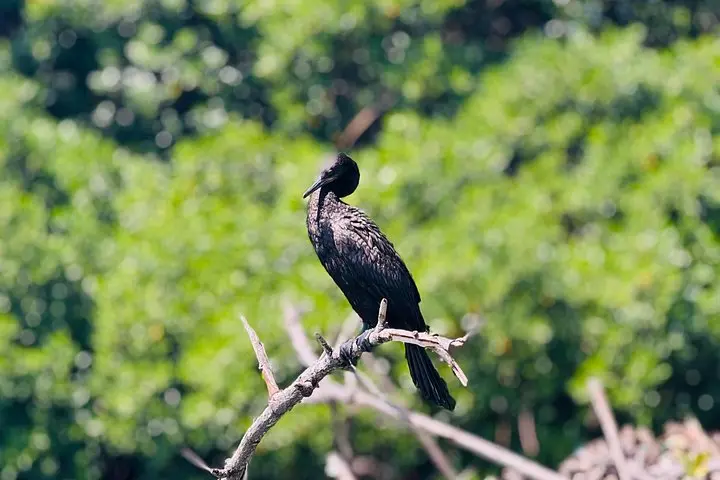
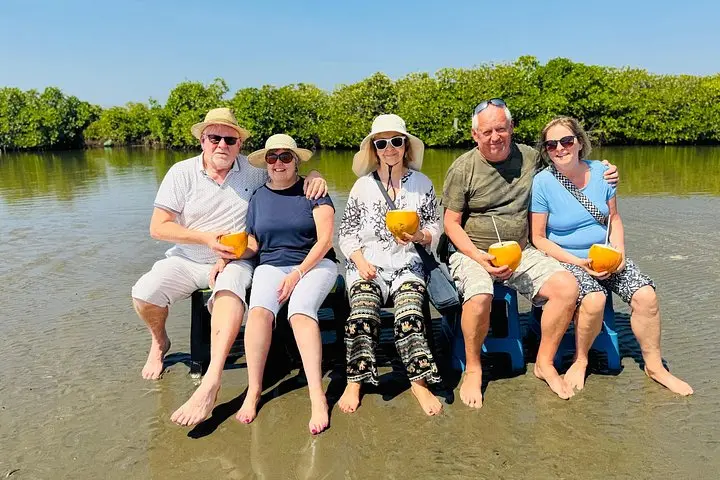
The skiff slips from Negombo’s crowded shore and the city noise thins into a slow thrum as the lagoon opens—water glassed by evening, mangrove roots like low-slung hands gripping the mud. Tottering fishing boats and reed-lined channels guide the route; kingfishers flash and egrets lift in ragged white against the low sun.
Verified experiences and guided adventures in the surrounding area.
Operated by Apple Vacations Pvt Ltd · Negombo, Western Province
The skiff slips from Negombo’s crowded shore and the city noise thins into a slow thrum as the lagoon opens—water glassed by evening, mangrove roots like low-slung hands gripping the mud. Tottering fishing boats and reed-lined channels guide the route; kingfishers flash and egrets lift in ragged white against the low sun.
Negombo Lagoon is an estuarine system linked to the Indian Ocean by a narrow channel and fed by several small rivers. The surrounding flatlands hold rice paddies and coconut groves shaped by centuries of coastal agriculture, while colonial-era canals and local fishing traditions still direct daily life. Geology here is recent: alluvial sediments and mangrove peat form the margins, creating shallow shoals and winding creeks that change with tides.
On a boat safari you’ll pass fishing hamlets, salt pans and mangrove stands that shelter migratory and resident birds. Guides point out traditional crab traps and explain how tides and monsoon winds influence catches. The water often seems to have a will of its own—pushing, pulling and revealing channels where a half hour earlier there was open lagoon.
Practical guidance: tours run about 2–3 hours, often timed for late afternoon light. Wear sun protection, bring binoculars and a light waterproof layer for spray or a sudden shower. Boats are small—stable but low to the water—so expect stepping on and off via a narrow side. Pickup by tuk‑tuk is common; confirm your exact pickup point. Hydrate before you board and keep a small dry bag for cameras and documents.
The tour runs approximately 120–180 minutes, typically scheduled late afternoon to catch sunset light.
Yes—pickup and drop-off by tuk‑tuk is included; confirm your pickup point when you book.
Expect a variety of waterbirds such as kingfishers and egrets; guides can point out feeding and nesting spots but sightings depend on season and tide.
The tour is rated easy but not recommended for pregnant travelers or those with serious spinal or heart conditions; infants must sit on an adult’s lap.
Apple Vacations Pvt Ltd operates guided outdoor trips and adventures with an emphasis on safety, stewardship, and memorable experiences.
The skiff slips from Negombo’s crowded shore and the city noise thins into a slow thrum as the lagoon opens—water glassed by evening, mangrove roots like low-slung hands gripping the mud. Tottering fishing boats and reed-lined channels guide the route; kingfishers flash and egrets lift in ragged white against the low sun.
The skiff slips from Negombo’s crowded shore and the city noise thins into a slow thrum as the lagoon opens—water glassed by evening, mangrove roots like low-slung hands gripping the mud. Tottering fishing boats and reed-lined channels guide the route; kingfishers flash and egrets lift in ragged white against the low sun.
Negombo Lagoon is an estuarine system linked to the Indian Ocean by a narrow channel and fed by several small rivers. The surrounding flatlands hold rice paddies and coconut groves shaped by centuries of coastal agriculture, while colonial-era canals and local fishing traditions still direct daily life. Geology here is recent: alluvial sediments and mangrove peat form the margins, creating shallow shoals and winding creeks that change with tides.
On a boat safari you’ll pass fishing hamlets, salt pans and mangrove stands that shelter migratory and resident birds. Guides point out traditional crab traps and explain how tides and monsoon winds influence catches. The water often seems to have a will of its own—pushing, pulling and revealing channels where a half hour earlier there was open lagoon.
Practical guidance: tours run about 2–3 hours, often timed for late afternoon light. Wear sun protection, bring binoculars and a light waterproof layer for spray or a sudden shower. Boats are small—stable but low to the water—so expect stepping on and off via a narrow side. Pickup by tuk‑tuk is common; confirm your exact pickup point. Hydrate before you board and keep a small dry bag for cameras and documents.