THE ADVENTURE COLLECTIVE® · Independent discovery and booking for outdoor travel

Take a 4-hour scooty tour around Negombo to sample its lively fish market, colonial relics, and lagoon edges. This bite-sized coastal ride mixes local culture, easy roads, and up-close views of Sri Lanka’s west-coast wetlands.
Take a 4-hour scooty tour around Negombo to sample its lively fish market, colonial relics, and lagoon edges. This bite-sized coastal ride mixes local culture, easy roads, and up-close views of Sri Lanka’s west-coast wetlands.
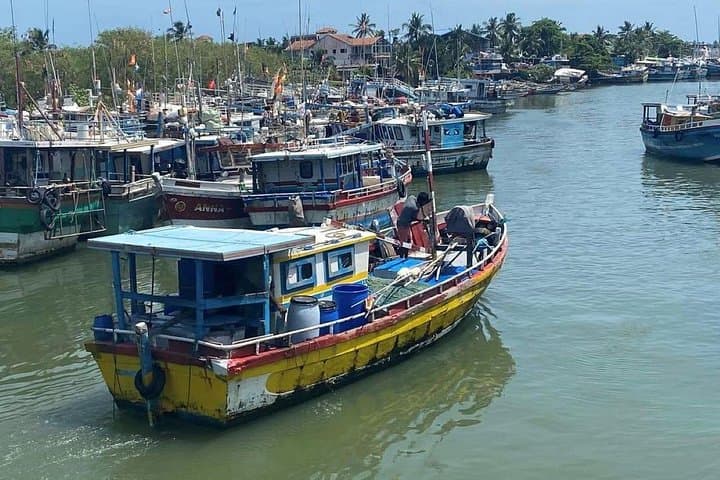
The morning air in Negombo tastes of salt and diesel as a small scooty engine pops to life by the waterfront. Riders head out along the narrow coastal road where fishing boats lean like careful animals against low tide and the Negombo Lagoon tugs at the shoreline, promising quiet mangrove channels and low, reflective light.
Verified experiences and guided adventures in the surrounding area.
Operated by Capital Tour By Tuk Tuk · Negombo, Western Province
The morning air in Negombo tastes of salt and diesel as a small scooty engine pops to life by the waterfront. Riders head out along the narrow coastal road where fishing boats lean like careful animals against low tide and the Negombo Lagoon tugs at the shoreline, promising quiet mangrove channels and low, reflective light.
Negombo’s streets carry layered history: Portuguese churches from the 1500s, a Dutch fort remade and partly removed by the British, and canals dug to move goods and manage saltwater marshes. Geology here is flat, coastal lagoon and marsh—muddy banks, sand spits, and reclaimed rice paddies—so the ride is more about rhythm than climb. Culture is unmistakable: Catholic processions and Tamil temple carvings sit within blocks of fish stalls where fleets haul the day’s haul.
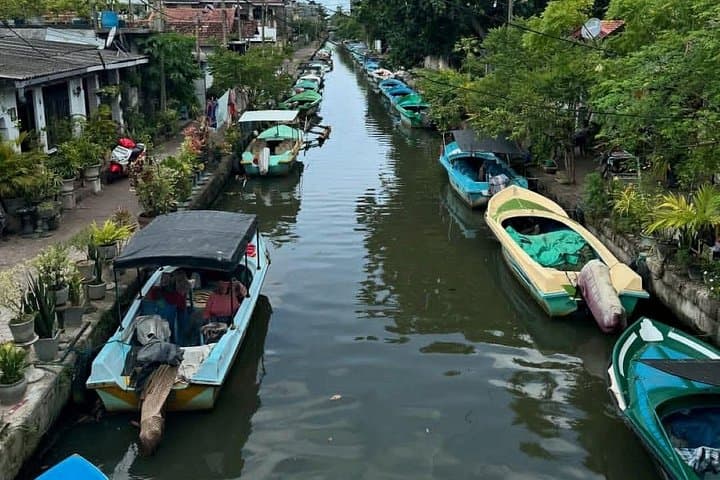
On a scooty the town feels intimate: you can pause at St. Mary’s Church to read its painted ceilings, weave through the fish market as workers sort tuna and mackerel, or edge onto a lagoon access point to watch egrets flick through mangroves. The Hamilton Canal and Muthurajawela wetlands are nearby if you want quieter water views.
Practical note: this is a short, low-elevation ride best done in the cooler hours—start early to avoid traffic and heat. Wear a well-fitting helmet, bring sun protection and water, and be prepared for narrow lanes and pedestrian-packed market zones. If you rent the scooty, confirm insurance and local traffic rules, and choose a guide if you’re unfamiliar with Sri Lankan road patterns.
Most all-inclusive scooty tours provide helmets and include fuel; confirm with the operator and check helmet condition before leaving.
Visitors should carry an international driving permit or local license per Sri Lankan regulations—confirm the operator’s requirements when booking.
Short rides can suit older children who are comfortable on two-wheelers; young children should use a separate seat or avoid scooty rides and opt for tuk-tuk or van alternatives.
The fish market is busy and slippery—wear closed shoes, keep distance from active drying racks and fish processing, and watch for moving carts and vehicles.
Capital Tour By Tuk Tuk operates guided outdoor trips and adventures with an emphasis on safety, stewardship, and memorable experiences.

The morning air in Negombo tastes of salt and diesel as a small scooty engine pops to life by the waterfront. Riders head out along the narrow coastal road where fishing boats lean like careful animals against low tide and the Negombo Lagoon tugs at the shoreline, promising quiet mangrove channels and low, reflective light.
The morning air in Negombo tastes of salt and diesel as a small scooty engine pops to life by the waterfront. Riders head out along the narrow coastal road where fishing boats lean like careful animals against low tide and the Negombo Lagoon tugs at the shoreline, promising quiet mangrove channels and low, reflective light.
Negombo’s streets carry layered history: Portuguese churches from the 1500s, a Dutch fort remade and partly removed by the British, and canals dug to move goods and manage saltwater marshes. Geology here is flat, coastal lagoon and marsh—muddy banks, sand spits, and reclaimed rice paddies—so the ride is more about rhythm than climb. Culture is unmistakable: Catholic processions and Tamil temple carvings sit within blocks of fish stalls where fleets haul the day’s haul.
On a scooty the town feels intimate: you can pause at St. Mary’s Church to read its painted ceilings, weave through the fish market as workers sort tuna and mackerel, or edge onto a lagoon access point to watch egrets flick through mangroves. The Hamilton Canal and Muthurajawela wetlands are nearby if you want quieter water views.
Practical note: this is a short, low-elevation ride best done in the cooler hours—start early to avoid traffic and heat. Wear a well-fitting helmet, bring sun protection and water, and be prepared for narrow lanes and pedestrian-packed market zones. If you rent the scooty, confirm insurance and local traffic rules, and choose a guide if you’re unfamiliar with Sri Lankan road patterns.