THE ADVENTURE COLLECTIVE® · Independent discovery and booking for outdoor travel

Board a short ride from Negombo and drop into coral-encrusted wrecks where WWII fragments and merchant hulks host schools of fusiliers and hunting rays. This guided outing pairs accessible wreck dives with reef swims—ideal for certified divers wanting concentrated marine life in a short window.
Board a short ride from Negombo and drop into coral-encrusted wrecks where WWII fragments and merchant hulks host schools of fusiliers and hunting rays. This guided outing pairs accessible wreck dives with reef swims—ideal for certified divers wanting concentrated marine life in a short window.
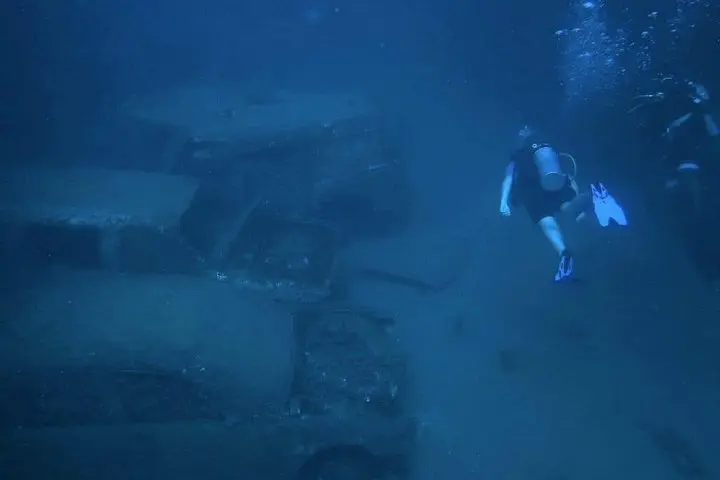
A small skiff slips away from Negombo’s harbor before dawn, the salt and diesel tang sharp on the air. The boat’s engine hums a steady promise as you fasten weights and listen to a concise safety briefing; beneath the glassy surface the seafloor drops into a scene of coral crusted wreckage and scattered plating from another century.
Verified experiences and guided adventures in the surrounding area.
Operated by Sri Lanka Day Tours · Negombo, Western Province
A small skiff slips away from Negombo’s harbor before dawn, the salt and diesel tang sharp on the air. The boat’s engine hums a steady promise as you fasten weights and listen to a concise safety briefing; beneath the glassy surface the seafloor drops into a scene of coral crusted wreckage and scattered plating from another century.
These shallow wrecks—including locally known sites such as the Chief Dragon, the Taprobane wreck and a WWII-era aircraft carrier remnant—sit on a backdrop of Pleistocene sand flats and fringing reef. Negombo’s coast has long been a crossroads: Portuguese and Dutch traders shaped the lagoon-side towns while storms and wartime convoys left hulks that now host barnacles, corals and schooling fish.
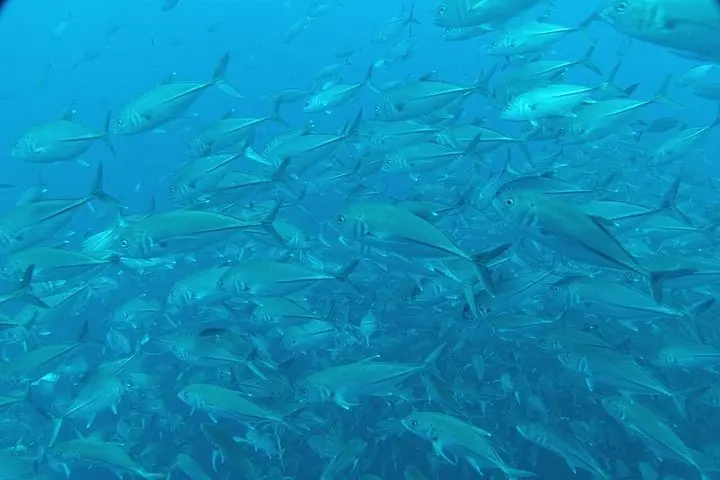
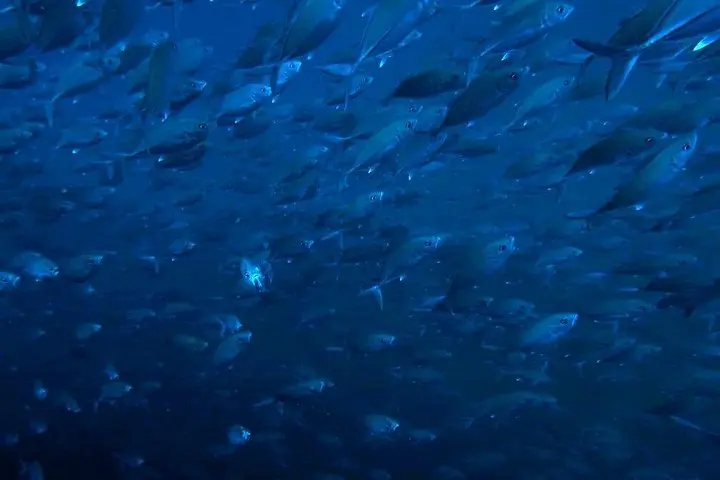
Expect vibrant reef fans, tunnels of fusiliers, hunting jack and cautious rays that use wreck shadows as hunting grounds. The diving is practical and site-based rather than deep-technical; rides from shore are short and visibility is often best in the morning when the wind is low.
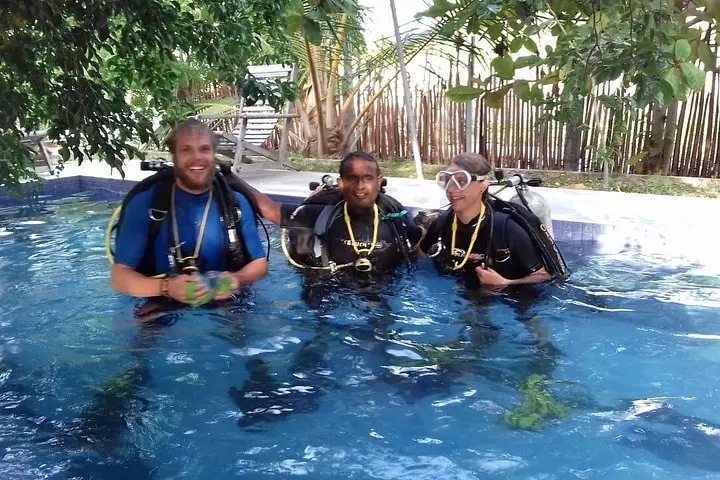
Practical guidance: arrive with your certification card or book a guided introductory dive, bring a reef-safe sunscreen, and plan for two to three medium-depth dives within a 3–4 hour window. Operators provide gear checks and a local briefing; ask about currents at each wreck and plan your surface interval on a protected sandy patch. Respect coral and avoid stirring silt—these wrecks are fragile habitats and the best way to keep them thriving is careful, low-impact diving.
Yes—most wreck dives require Open Water certification; operators may offer supervised introductory dives for non-certified guests—confirm when booking.
Most local wrecks are in shallow to moderate recreational ranges (roughly 10–30m), suitable for standard Open Water and Advanced divers depending on the site.
Operators typically provide core dive gear and tanks; check whether personal items like masks and dive computers are included or recommended to bring.
Boat transfers to dive sites are short—often under 30 minutes—so the full activity is usually completed in a 3–4 hour window including briefings and surface intervals.
Sri Lanka Day Tours operates guided outdoor trips and adventures with an emphasis on safety, stewardship, and memorable experiences.
A small skiff slips away from Negombo’s harbor before dawn, the salt and diesel tang sharp on the air. The boat’s engine hums a steady promise as you fasten weights and listen to a concise safety briefing; beneath the glassy surface the seafloor drops into a scene of coral crusted wreckage and scattered plating from another century.
A small skiff slips away from Negombo’s harbor before dawn, the salt and diesel tang sharp on the air. The boat’s engine hums a steady promise as you fasten weights and listen to a concise safety briefing; beneath the glassy surface the seafloor drops into a scene of coral crusted wreckage and scattered plating from another century.
These shallow wrecks—including locally known sites such as the Chief Dragon, the Taprobane wreck and a WWII-era aircraft carrier remnant—sit on a backdrop of Pleistocene sand flats and fringing reef. Negombo’s coast has long been a crossroads: Portuguese and Dutch traders shaped the lagoon-side towns while storms and wartime convoys left hulks that now host barnacles, corals and schooling fish.
Expect vibrant reef fans, tunnels of fusiliers, hunting jack and cautious rays that use wreck shadows as hunting grounds. The diving is practical and site-based rather than deep-technical; rides from shore are short and visibility is often best in the morning when the wind is low.
Practical guidance: arrive with your certification card or book a guided introductory dive, bring a reef-safe sunscreen, and plan for two to three medium-depth dives within a 3–4 hour window. Operators provide gear checks and a local briefing; ask about currents at each wreck and plan your surface interval on a protected sandy patch. Respect coral and avoid stirring silt—these wrecks are fragile habitats and the best way to keep them thriving is careful, low-impact diving.