THE ADVENTURE COLLECTIVE® · Independent discovery and booking for outdoor travel

An 11-day private journey through Nepal’s most vivid contrasts: Kathmandu’s living heritage, Pokhara’s mountain mirrors, the sacred gardens of Lumbini, and Chitwan’s river jungles. Expect cultural monuments, wildlife safaris, and window-seat Himalayan views with local guides handling logistics.
An 11-day private journey through Nepal’s most vivid contrasts: Kathmandu’s living heritage, Pokhara’s mountain mirrors, the sacred gardens of Lumbini, and Chitwan’s river jungles. Expect cultural monuments, wildlife safaris, and window-seat Himalayan views with local guides handling logistics.
Arrival in Kathmandu opens the trip with the city’s clatter and incense: prayer flags snap above narrow lanes, and the Bagmati River threads past Pashupatinath like a river of stories. Travelers will feel the city’s altitude settle into their chest before the itinerary unfurls—Durbar Squares, stupas with painted eyes, and hilltop views that frame the first Himalayan ridgelines.
Verified experiences and guided adventures in the surrounding area.
Operated by Liberty Holidays · Kathmandu, Bagmati Province
Arrival in Kathmandu opens the trip with the city’s clatter and incense: prayer flags snap above narrow lanes, and the Bagmati River threads past Pashupatinath like a river of stories. Travelers will feel the city’s altitude settle into their chest before the itinerary unfurls—Durbar Squares, stupas with painted eyes, and hilltop views that frame the first Himalayan ridgelines.
Across eleven days the route shifts from urban heritage to the lake-slow rhythm of Pokhara and the primeval riverbanks of Chitwan. The Kathmandu Valley records centuries of Newar craftsmanship; Bhaktapur and Patan showcase medieval brickwork and carved wood under the Shah and Malla dynasties. Geologically the route follows foothills carved by monsoon-fed rivers, with Pokhara sitting in a glacially influenced basin beneath Annapurna’s southern faces. Lumbini’s flat, cultivated plains preserve the archaeological markers of the Mauryan period and Emperor Ashoka’s pillar.
Culturally the trip threads Hindu and Buddhist practice into daily life: ritual bathing, monks in saffron, and Tharu village traditions in Chitwan. Wildlife encounters focus on Chitwan’s grassland and river ecologies—one-horned rhino, deer, and riverine birds.
Practical guidance: pack layers for cool mornings and warm afternoons, expect multiple short walks and jeep or canoe safaris, and allow time for light acclimatization on arrival. Carry local currency for small purchases, respect dress codes at temples (shoulders and knees covered), and follow your guide’s advice on wildlife approaches. Hydrate frequently on drives, and plan buffer time for domestic flights and road travel—Nepal’s landscapes reward the slow pace.
Most days include short guided walks (30–90 minutes) around sites; longer activity is optional—safaris and boat trips are mostly vehicle- or water-based.
Yes—domestic airfare as per itinerary is included for the scheduled internal flight between Lumbini/Bhairahawa and Kathmandu.
Minimum age is 5; family-friendly activities are included but wildlife sightings can be unpredictable and some transfers are long.
Travelers should check recommended vaccinations and Nepalese visa requirements in advance; carry proof of vaccinations if required and consult health authorities for current advice.
Liberty Holidays operates guided outdoor trips and adventures with an emphasis on safety, stewardship, and memorable experiences.
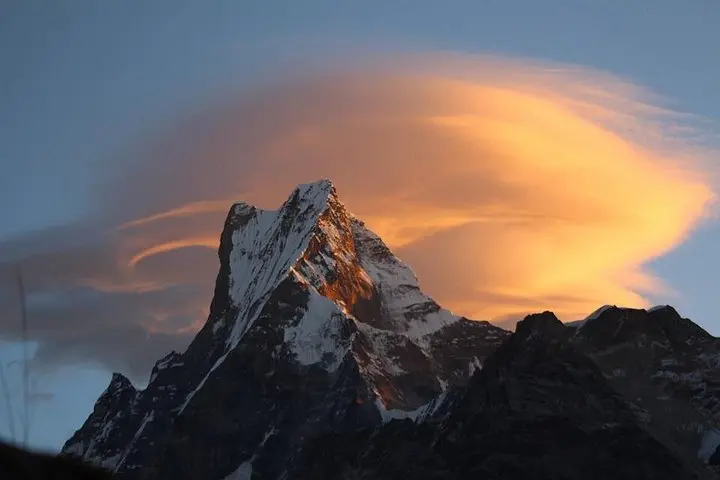
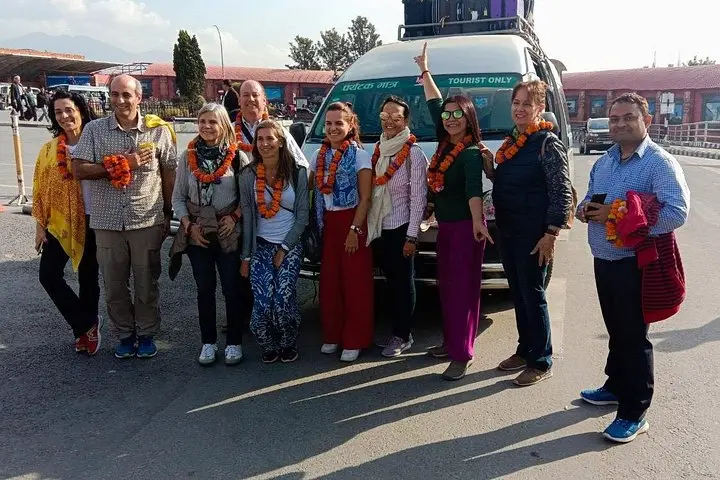
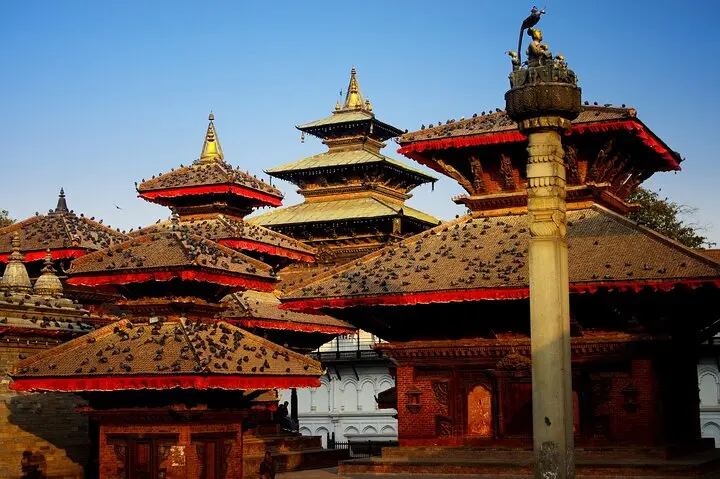
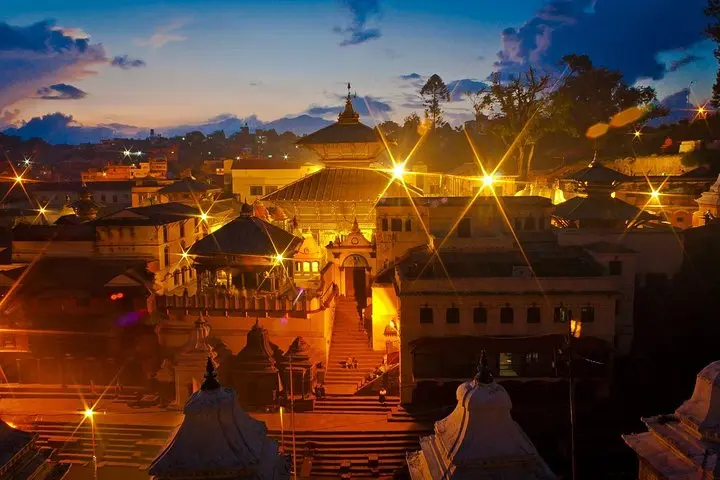
Arrival in Kathmandu opens the trip with the city’s clatter and incense: prayer flags snap above narrow lanes, and the Bagmati River threads past Pashupatinath like a river of stories. Travelers will feel the city’s altitude settle into their chest before the itinerary unfurls—Durbar Squares, stupas with painted eyes, and hilltop views that frame the first Himalayan ridgelines.
Arrival in Kathmandu opens the trip with the city’s clatter and incense: prayer flags snap above narrow lanes, and the Bagmati River threads past Pashupatinath like a river of stories. Travelers will feel the city’s altitude settle into their chest before the itinerary unfurls—Durbar Squares, stupas with painted eyes, and hilltop views that frame the first Himalayan ridgelines.
Across eleven days the route shifts from urban heritage to the lake-slow rhythm of Pokhara and the primeval riverbanks of Chitwan. The Kathmandu Valley records centuries of Newar craftsmanship; Bhaktapur and Patan showcase medieval brickwork and carved wood under the Shah and Malla dynasties. Geologically the route follows foothills carved by monsoon-fed rivers, with Pokhara sitting in a glacially influenced basin beneath Annapurna’s southern faces. Lumbini’s flat, cultivated plains preserve the archaeological markers of the Mauryan period and Emperor Ashoka’s pillar.
Culturally the trip threads Hindu and Buddhist practice into daily life: ritual bathing, monks in saffron, and Tharu village traditions in Chitwan. Wildlife encounters focus on Chitwan’s grassland and river ecologies—one-horned rhino, deer, and riverine birds.
Practical guidance: pack layers for cool mornings and warm afternoons, expect multiple short walks and jeep or canoe safaris, and allow time for light acclimatization on arrival. Carry local currency for small purchases, respect dress codes at temples (shoulders and knees covered), and follow your guide’s advice on wildlife approaches. Hydrate frequently on drives, and plan buffer time for domestic flights and road travel—Nepal’s landscapes reward the slow pace.