THE ADVENTURE COLLECTIVE® · Independent discovery and booking for outdoor travel

Cover Kathmandu’s UNESCO squares, watch Annapurna sunrises from Sarangkot, visit the Buddha’s birthplace in Lumbini, and track wildlife in Chitwan — all in an 11-day overland loop. Practical logistics, local culture and wildlife viewing combine for a compact introduction to Nepal.
Cover Kathmandu’s UNESCO squares, watch Annapurna sunrises from Sarangkot, visit the Buddha’s birthplace in Lumbini, and track wildlife in Chitwan — all in an 11-day overland loop. Practical logistics, local culture and wildlife viewing combine for a compact introduction to Nepal.
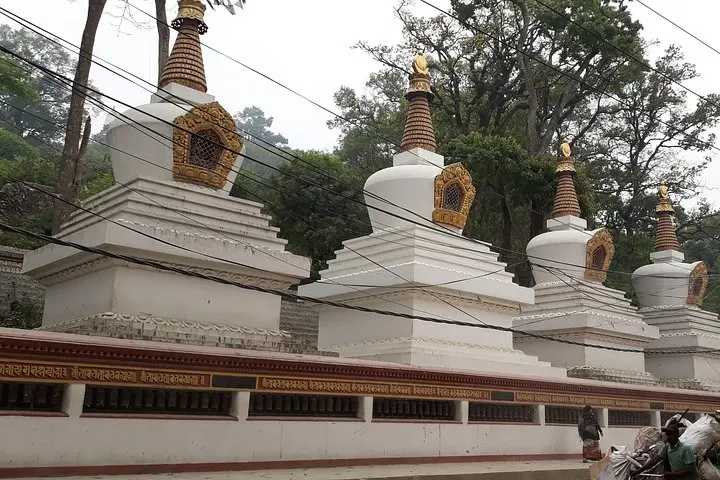
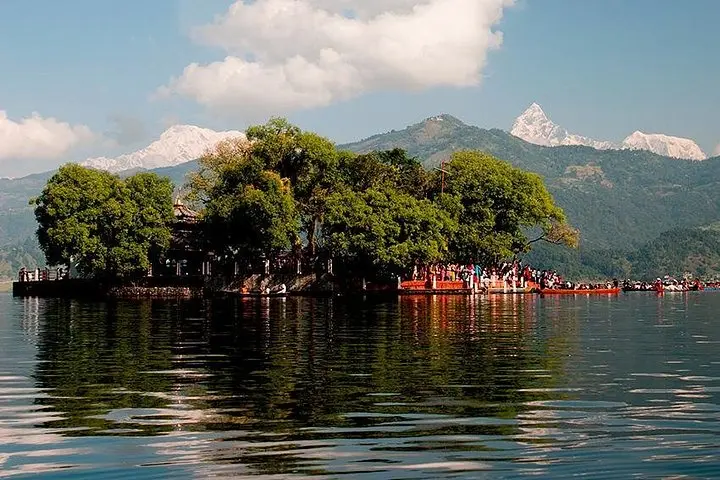
A low-angled sun pours gold across the Kathmandu Valley as a guide meets the group at Tribhuvan International Airport — the sprawl of red-tiled roofs sitting beneath Himalayan ridgelines feels immediate and alive. Over eleven days travelers move from the crowded shrines of Kathmandu to the mirror calm of Phewa Lake, trade highland ridgelines at Sarangkot for the terraced plains of Lumbini, and follow the Rapti River’s confident current into Chitwan National Park.
Verified experiences and guided adventures in the surrounding area.
Operated by Eve Holidays · Kathmandu, Bagmati Province
A low-angled sun pours gold across the Kathmandu Valley as a guide meets the group at Tribhuvan International Airport — the sprawl of red-tiled roofs sitting beneath Himalayan ridgelines feels immediate and alive. Over eleven days travelers move from the crowded shrines of Kathmandu to the mirror calm of Phewa Lake, trade highland ridgelines at Sarangkot for the terraced plains of Lumbini, and follow the Rapti River’s confident current into Chitwan National Park.
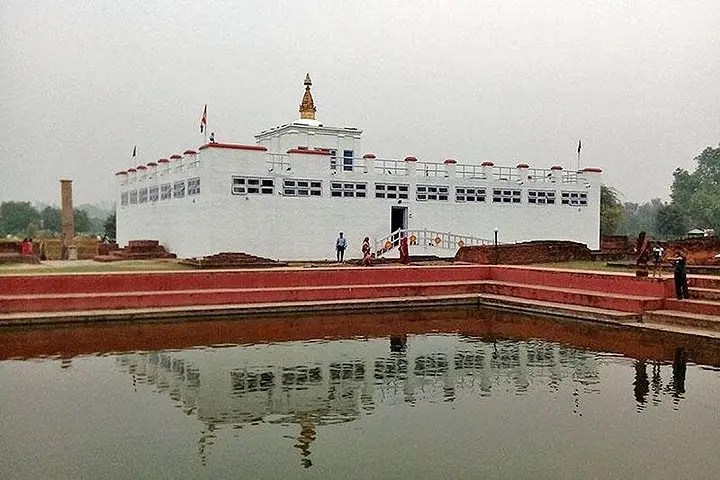
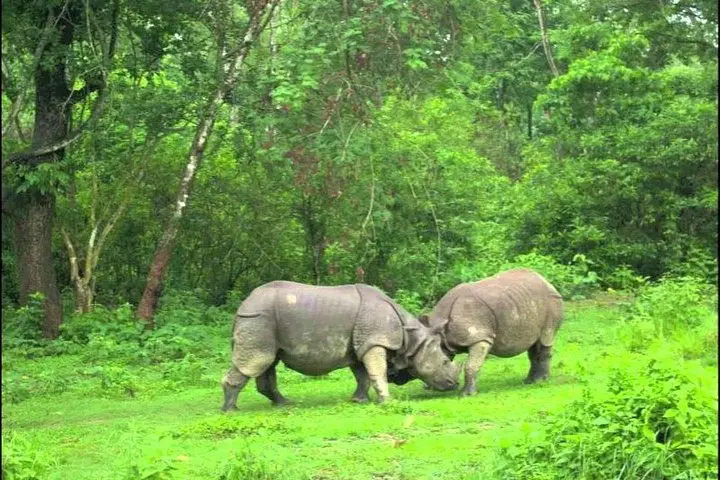
The route stitches together millennia: Kathmandu’s Durbar Squares and Pashupatinath chant with medieval Newar carpentry; Lumbini marks the exact site where Maya Devi gave birth to Siddhartha Gautama; Pokhara opens views of the Annapurna and Dhaulagiri massifs formed by tectonic collision; Chitwan’s Terai is a floodplain ecology that shelters one-horned rhinoceros and gharial crocodiles.
Expect long road transfers (Kathmandu–Pokhara ≈7 hours; Pokhara–Lumbini ≈7 hours; Pokhara’s Sarangkot hike rises to ~1,600 m from lakeside Pokhara ~820 m) and a mix of walking tours, a sunrise hill hike, a boat on Phewa Lake, cave access at Gupteshwor, and guided jungle activities in Chitwan including canoe, jeep and guided walks.
Practically: carry a current passport, layered clothing for cool mornings and hot plains, sun protection and insect repellent for the Terai. Physical demand is moderate — most days are sightseeing and transfers with a few short hikes and jungle walks. Respect temple protocols (no entry for non-Hindus at certain shrines), follow park rules in Chitwan, and allow travel time — Nepal’s roads are scenic but slow. This itinerary pairs cultural depth with wildlife encounters and mountain panoramas for a compact, varied introduction to Nepal.
Most nationalities require a visa on arrival at Tribhuvan International Airport or an e‑visa obtained before travel; check current Nepal government requirements before departure.
Routine vaccinations are recommended; also consider hepatitis A, typhoid and tetanus; consult a travel clinic for malaria advice for Terai/Chitwan areas.
The tour is rated easy-to-moderate: days include sightseeing, a short hill hike to Sarangkot and guided jungle walks; long vehicle transfers are the primary challenge.
Common sightings include Indian one-horned rhinoceros, deer and many bird species; tigers and gharials are present but sightings are not guaranteed.
Eve Holidays operates guided outdoor trips and adventures with an emphasis on safety, stewardship, and memorable experiences.
A low-angled sun pours gold across the Kathmandu Valley as a guide meets the group at Tribhuvan International Airport — the sprawl of red-tiled roofs sitting beneath Himalayan ridgelines feels immediate and alive. Over eleven days travelers move from the crowded shrines of Kathmandu to the mirror calm of Phewa Lake, trade highland ridgelines at Sarangkot for the terraced plains of Lumbini, and follow the Rapti River’s confident current into Chitwan National Park.
A low-angled sun pours gold across the Kathmandu Valley as a guide meets the group at Tribhuvan International Airport — the sprawl of red-tiled roofs sitting beneath Himalayan ridgelines feels immediate and alive. Over eleven days travelers move from the crowded shrines of Kathmandu to the mirror calm of Phewa Lake, trade highland ridgelines at Sarangkot for the terraced plains of Lumbini, and follow the Rapti River’s confident current into Chitwan National Park.
The route stitches together millennia: Kathmandu’s Durbar Squares and Pashupatinath chant with medieval Newar carpentry; Lumbini marks the exact site where Maya Devi gave birth to Siddhartha Gautama; Pokhara opens views of the Annapurna and Dhaulagiri massifs formed by tectonic collision; Chitwan’s Terai is a floodplain ecology that shelters one-horned rhinoceros and gharial crocodiles.
Expect long road transfers (Kathmandu–Pokhara ≈7 hours; Pokhara–Lumbini ≈7 hours; Pokhara’s Sarangkot hike rises to ~1,600 m from lakeside Pokhara ~820 m) and a mix of walking tours, a sunrise hill hike, a boat on Phewa Lake, cave access at Gupteshwor, and guided jungle activities in Chitwan including canoe, jeep and guided walks.
Practically: carry a current passport, layered clothing for cool mornings and hot plains, sun protection and insect repellent for the Terai. Physical demand is moderate — most days are sightseeing and transfers with a few short hikes and jungle walks. Respect temple protocols (no entry for non-Hindus at certain shrines), follow park rules in Chitwan, and allow travel time — Nepal’s roads are scenic but slow. This itinerary pairs cultural depth with wildlife encounters and mountain panoramas for a compact, varied introduction to Nepal.