THE ADVENTURE COLLECTIVE® · Independent discovery and booking for outdoor travel

Glide along the Norin River aboard a century-old ladja, explore the rare on-site Narona Archaeological Museum in Vid, and taste authentic Dalmatian cuisine and wines during a half-day journey through the Neretva Valley.
Glide along the Norin River aboard a century-old ladja, explore the rare on-site Narona Archaeological Museum in Vid, and taste authentic Dalmatian cuisine and wines during a half-day journey through the Neretva Valley.
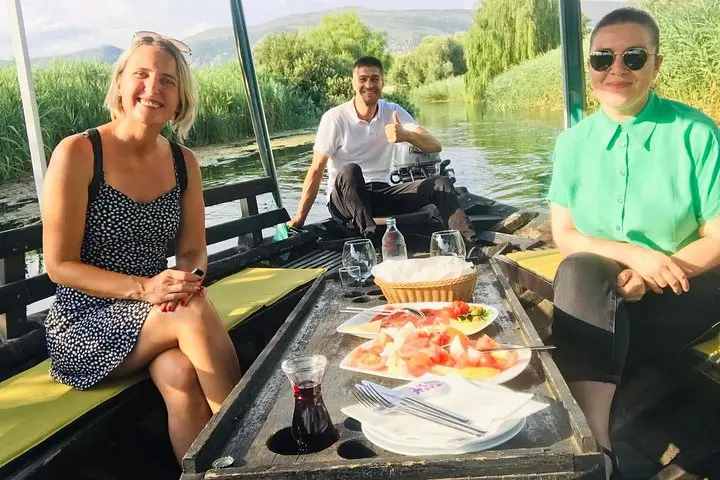
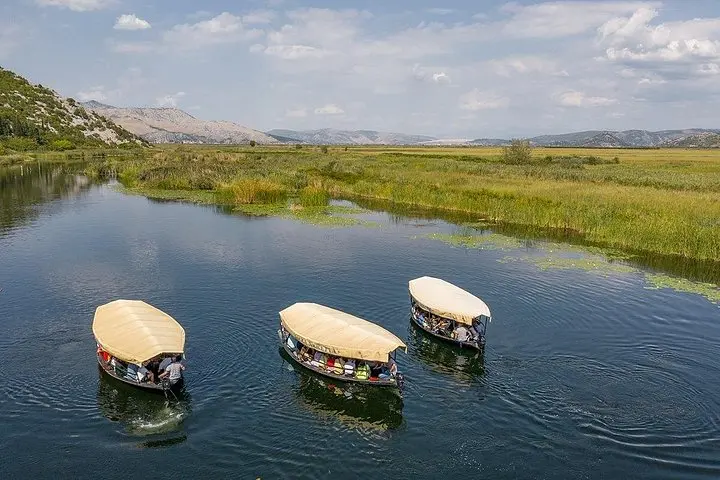
You push open a low boat hatch and the Norin River greets you like an old friend — slow, cool, and inclined to reveal the valley's quiet stories. Reclaimed wooden ladjas slip between reed-fringed channels while gulls and herons track the wake; the river seems to dare you to slow down and notice.
Verified experiences and guided adventures in the surrounding area.
Operated by Magnificent Croatia · Vid, Dubrovnik-Neretva County
You push open a low boat hatch and the Norin River greets you like an old friend — slow, cool, and inclined to reveal the valley's quiet stories. Reclaimed wooden ladjas slip between reed-fringed channels while gulls and herons track the wake; the river seems to dare you to slow down and notice.
The landscape here is shaped by alluvial soil and the branching Neretva delta, where Roman roads once met trading channels. At Vid, the Narona Archaeological Museum occupies the footprint of an Augustan temple, offering a rare on-site encounter with Roman stone, column fragments, and everyday objects that anchor Dalmatian culture to ancient trade routes. The ladja boats, some with oak timbers turned a century ago, ferry more than bodies — they carry recipes, rhythms and a convivial approach to cellar wines.
Expect a sensory blend: river air cut with wood smoke from a konoba's hearth; a lunch where brudet or grilled meat arrives with house bread and regional reds; and a guide who folds local stories into practical stops at scenic overlooks.
Practical: the tour is mostly seated boat time plus short, flat walks at museum and restaurant. Wear non-slip shoes and bring sun protection — river channels offer little shade in summer. Cameras and light layers are useful; river breezes cool quickly once the sun dips. If you have mobility limits, confirm pickup and boat boarding options in advance. Bookings typically include museum admission and a guided tasting — arrive curious and ready to taste history as much as the wine.
The ladja cruise portion lasts roughly 45–75 minutes, winding through narrow channels and providing a short tasting on board.
Yes — museum tickets are included with the tour, allowing time for a focused visit to the on-site Roman temple remains.
Yes — the lunch typically offers fish and meat options; notify the operator ahead of time to arrange vegetarian or allergy-friendly dishes.
Generally yes; walking is minimal and the boat is low-speed, but boarding requires stepping down into the ladja — mention mobility concerns when booking.
Magnificent Croatia operates guided outdoor trips and adventures with an emphasis on safety, stewardship, and memorable experiences.

You push open a low boat hatch and the Norin River greets you like an old friend — slow, cool, and inclined to reveal the valley's quiet stories. Reclaimed wooden ladjas slip between reed-fringed channels while gulls and herons track the wake; the river seems to dare you to slow down and notice.
You push open a low boat hatch and the Norin River greets you like an old friend — slow, cool, and inclined to reveal the valley's quiet stories. Reclaimed wooden ladjas slip between reed-fringed channels while gulls and herons track the wake; the river seems to dare you to slow down and notice.
The landscape here is shaped by alluvial soil and the branching Neretva delta, where Roman roads once met trading channels. At Vid, the Narona Archaeological Museum occupies the footprint of an Augustan temple, offering a rare on-site encounter with Roman stone, column fragments, and everyday objects that anchor Dalmatian culture to ancient trade routes. The ladja boats, some with oak timbers turned a century ago, ferry more than bodies — they carry recipes, rhythms and a convivial approach to cellar wines.
Expect a sensory blend: river air cut with wood smoke from a konoba's hearth; a lunch where brudet or grilled meat arrives with house bread and regional reds; and a guide who folds local stories into practical stops at scenic overlooks.
Practical: the tour is mostly seated boat time plus short, flat walks at museum and restaurant. Wear non-slip shoes and bring sun protection — river channels offer little shade in summer. Cameras and light layers are useful; river breezes cool quickly once the sun dips. If you have mobility limits, confirm pickup and boat boarding options in advance. Bookings typically include museum admission and a guided tasting — arrive curious and ready to taste history as much as the wine.