THE ADVENTURE COLLECTIVE® · Independent discovery and booking for outdoor travel

Climb Nevado Mateo (5,150 m) on a full-day guided ascent from Huaraz, combining a steep moraine approach with glacier travel. Ideal for acclimatized trekkers with basic ice skills, the trip delivers high-Alpine views in Huascarán National Park.
Climb Nevado Mateo (5,150 m) on a full-day guided ascent from Huaraz, combining a steep moraine approach with glacier travel. Ideal for acclimatized trekkers with basic ice skills, the trip delivers high-Alpine views in Huascarán National Park.
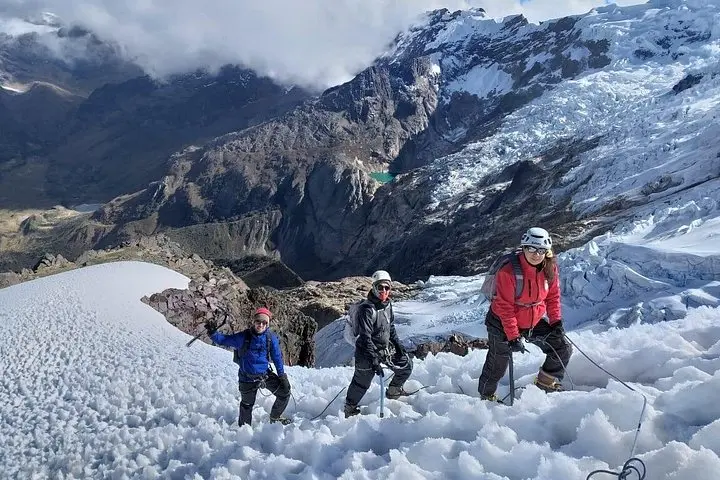
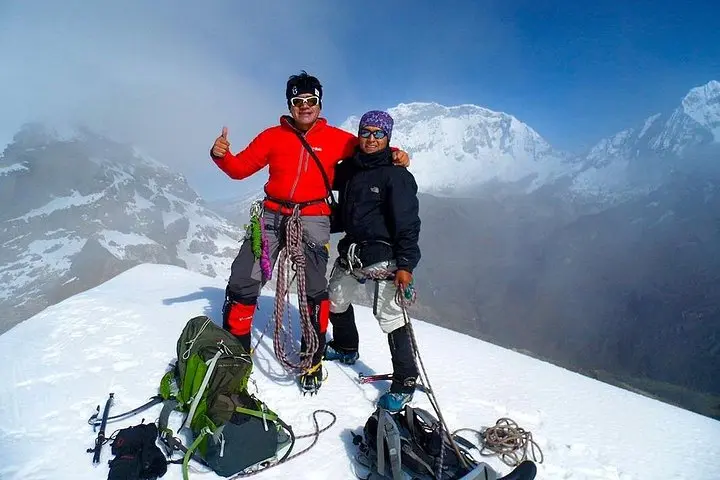
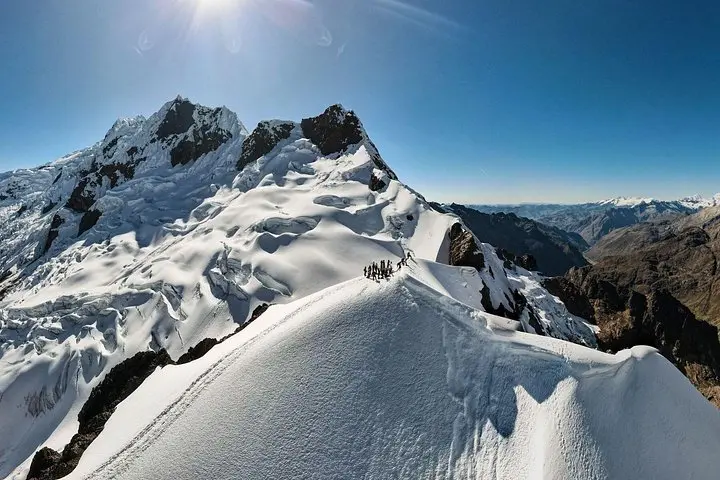
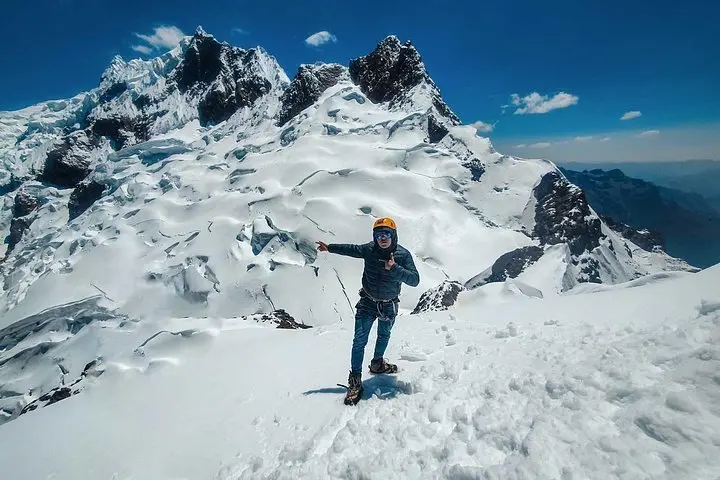
Pre-dawn in Huaraz feels deliberate: headlamps cut into the dark and the van hums east toward the Cordillera Blanca, climbing switchbacks that open into the Ulta Valley. By Punta Olímpica the road drops you at moraine and scree; the mountain waits above—raw rock giving way to blue ice. The route follows a steep rocky approach before the rope teams step onto the glacier, crampons biting into a surface that can change from wind-packed to soft with the sun.
Verified experiences and guided adventures in the surrounding area.
Operated by Machupicchu Holiday · Huaraz, Ancash
Pre-dawn in Huaraz feels deliberate: headlamps cut into the dark and the van hums east toward the Cordillera Blanca, climbing switchbacks that open into the Ulta Valley. By Punta Olímpica the road drops you at moraine and scree; the mountain waits above—raw rock giving way to blue ice. The route follows a steep rocky approach before the rope teams step onto the glacier, crampons biting into a surface that can change from wind-packed to soft with the sun.
Geology here is obvious: uplifted granite and glacial valleys carved over millennia, with hanging cirques and serrated ridgelines framing the hike. Huascarán National Park protects high-Andean ecosystems and Quechua-speaking communities that still tend highland pastures—this is working mountain country, not a postcard. The climb itself is short but technical: expect glacier travel, front-pointing on steep ice, and exposure to altitude at 5,150 m.
Practical guidance: plan for a 12-hour day with a 3:00–3:30 a.m. pickup, allow several days in Huaraz to acclimatize, and bring layered clothing for rapidly changing conditions. Guides provide harnesses, helmets, crampons, ice axes and a safety briefing; prior trekking experience and basic familiarity with crampon/axe use are strongly recommended. Hydrate, move deliberately on the descent, and watch for sunlight-reflecting snow that can fatigue eyes and skin. Weather shifts fast above 4,500 m—if the sky darkens, retreat options are limited and the guide’s judgment is decisive.
Yes—participants should have prior trekking experience and basic familiarity with crampons/ice axe; guides provide instruction but prior comfort with exposure and steep terrain is important.
Transport from Huaraz, certified guide, technical climbing equipment (harness, crampons, helmet, rope, ice axe), and basic first-aid; check provider details for boot rental availability.
The summit is 5,150 m; altitude sickness is a real risk—allow time to acclimatize in Huaraz and communicate any symptoms to your guide immediately.
The dry season (roughly May–September) offers the most stable weather and clearer conditions for glacier travel and summit visibility.
Machupicchu Holiday operates guided outdoor trips and adventures with an emphasis on safety, stewardship, and memorable experiences.
Pre-dawn in Huaraz feels deliberate: headlamps cut into the dark and the van hums east toward the Cordillera Blanca, climbing switchbacks that open into the Ulta Valley. By Punta Olímpica the road drops you at moraine and scree; the mountain waits above—raw rock giving way to blue ice. The route follows a steep rocky approach before the rope teams step onto the glacier, crampons biting into a surface that can change from wind-packed to soft with the sun.
Pre-dawn in Huaraz feels deliberate: headlamps cut into the dark and the van hums east toward the Cordillera Blanca, climbing switchbacks that open into the Ulta Valley. By Punta Olímpica the road drops you at moraine and scree; the mountain waits above—raw rock giving way to blue ice. The route follows a steep rocky approach before the rope teams step onto the glacier, crampons biting into a surface that can change from wind-packed to soft with the sun.
Geology here is obvious: uplifted granite and glacial valleys carved over millennia, with hanging cirques and serrated ridgelines framing the hike. Huascarán National Park protects high-Andean ecosystems and Quechua-speaking communities that still tend highland pastures—this is working mountain country, not a postcard. The climb itself is short but technical: expect glacier travel, front-pointing on steep ice, and exposure to altitude at 5,150 m.
Practical guidance: plan for a 12-hour day with a 3:00–3:30 a.m. pickup, allow several days in Huaraz to acclimatize, and bring layered clothing for rapidly changing conditions. Guides provide harnesses, helmets, crampons, ice axes and a safety briefing; prior trekking experience and basic familiarity with crampon/axe use are strongly recommended. Hydrate, move deliberately on the descent, and watch for sunlight-reflecting snow that can fatigue eyes and skin. Weather shifts fast above 4,500 m—if the sky darkens, retreat options are limited and the guide’s judgment is decisive.