THE ADVENTURE COLLECTIVE® · Independent discovery and booking for outdoor travel

Three days across the Golden Triangle deliver sunrise at the Taj, the ramparts of Amber Fort and New Delhi’s imperial monuments. This private tour compresses history, architecture and local markets into an accessible loop with private transport and a local guide.
Three days across the Golden Triangle deliver sunrise at the Taj, the ramparts of Amber Fort and New Delhi’s imperial monuments. This private tour compresses history, architecture and local markets into an accessible loop with private transport and a local guide.
You step out of Delhi traffic into a slower rhythm: spice-scented lanes, sandstone facades, and the low hum of morning prayer. Over three compact days you move from New Delhi’s imperial boulevards to Agra’s marble hush at dawn, then up to Jaipur’s ochre ramparts — a loop through Mughal tombs, Mughal gardens, and Rajput forts that maps India’s layered history.
Verified experiences and guided adventures in the surrounding area.
Operated by Taj Voyages Tour · New Delhi, Delhi
You step out of Delhi traffic into a slower rhythm: spice-scented lanes, sandstone facades, and the low hum of morning prayer. Over three compact days you move from New Delhi’s imperial boulevards to Agra’s marble hush at dawn, then up to Jaipur’s ochre ramparts — a loop through Mughal tombs, Mughal gardens, and Rajput forts that maps India’s layered history.
The route threads core sites: Humayun’s Tomb and Qutub Minar in Delhi (early imperial Mughal architecture), the Taj Mahal and Agra Fort (Seventeenth-century Mughal artistry in marble and red sandstone), and Jaipur’s Amber Fort, Hawa Mahal, City Palace and Jantar Mantar (Rajput courts, fortified hills and a rare 18th-century observatory). Geologically the corridor runs across the Indo-Gangetic plains — flat, fertile alluvium that made settlement and monumental building easy. Culturally expect a dense mix of languages, street food traditions and lively bazaars where crafts and textiles are local currency.
Practical guidance: start early — the Taj at sunrise avoids crowds and heat; good walking shoes are essential for uneven fort steps; bring a hat, sunscreen and a reusable water bottle; modest clothing speeds entry at religious sites. Allow time for traffic between cities (3–4 hours by road), and confirm entrance-fee coverage and pickup location before departure. The tour is private and accessible to most travelers, but those with serious mobility or spinal issues should notify the operator in advance. Pace your days: each morning brings heavy sightseeing and afternoons that reward slow exploration of markets and quieter gardens.
The tour description lists entrance fees as included, but confirm with the operator before travel for specific monuments and any optional extras.
The Taj Mahal is closed to visitors on Fridays; sunrise visits are recommended on other days to reduce crowding and heat exposure.
Pickup from Delhi airport, railway stations, hotels or specified locations is typically offered; confirm exact pickup point and any waiting policies when booking.
The itinerary is generally suitable for most fitness levels, but many sites have steps and uneven surfaces; travellers with spinal or severe mobility issues should notify the operator and may need special arrangements.
Taj Voyages Tour operates guided outdoor trips and adventures with an emphasis on safety, stewardship, and memorable experiences.
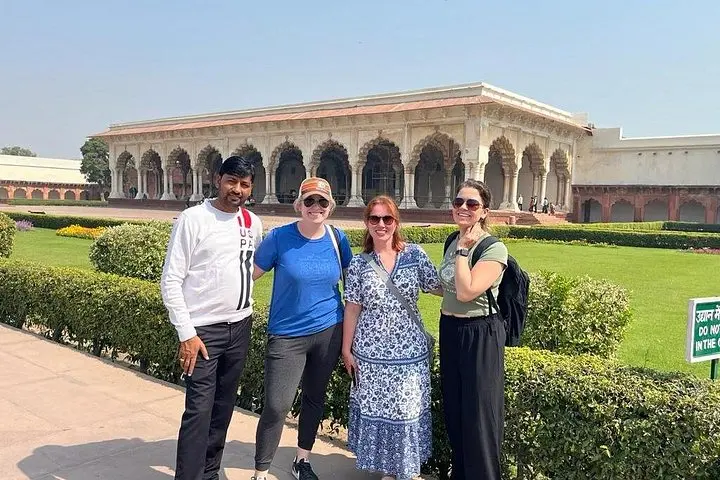



You step out of Delhi traffic into a slower rhythm: spice-scented lanes, sandstone facades, and the low hum of morning prayer. Over three compact days you move from New Delhi’s imperial boulevards to Agra’s marble hush at dawn, then up to Jaipur’s ochre ramparts — a loop through Mughal tombs, Mughal gardens, and Rajput forts that maps India’s layered history.
You step out of Delhi traffic into a slower rhythm: spice-scented lanes, sandstone facades, and the low hum of morning prayer. Over three compact days you move from New Delhi’s imperial boulevards to Agra’s marble hush at dawn, then up to Jaipur’s ochre ramparts — a loop through Mughal tombs, Mughal gardens, and Rajput forts that maps India’s layered history.
The route threads core sites: Humayun’s Tomb and Qutub Minar in Delhi (early imperial Mughal architecture), the Taj Mahal and Agra Fort (Seventeenth-century Mughal artistry in marble and red sandstone), and Jaipur’s Amber Fort, Hawa Mahal, City Palace and Jantar Mantar (Rajput courts, fortified hills and a rare 18th-century observatory). Geologically the corridor runs across the Indo-Gangetic plains — flat, fertile alluvium that made settlement and monumental building easy. Culturally expect a dense mix of languages, street food traditions and lively bazaars where crafts and textiles are local currency.
Practical guidance: start early — the Taj at sunrise avoids crowds and heat; good walking shoes are essential for uneven fort steps; bring a hat, sunscreen and a reusable water bottle; modest clothing speeds entry at religious sites. Allow time for traffic between cities (3–4 hours by road), and confirm entrance-fee coverage and pickup location before departure. The tour is private and accessible to most travelers, but those with serious mobility or spinal issues should notify the operator in advance. Pace your days: each morning brings heavy sightseeing and afternoons that reward slow exploration of markets and quieter gardens.