THE ADVENTURE COLLECTIVE® · Independent discovery and booking for outdoor travel

A four-day private loop from Delhi through Agra and Jaipur that pairs sunrise at the Taj Mahal with hilltop forts and lively bazaars. This compact itinerary balances big-name sites with local logistics—perfect for first-time visitors seeking efficient cultural immersion.
A four-day private loop from Delhi through Agra and Jaipur that pairs sunrise at the Taj Mahal with hilltop forts and lively bazaars. This compact itinerary balances big-name sites with local logistics—perfect for first-time visitors seeking efficient cultural immersion.
Morning light in Old Delhi slices between minarets and market awnings as a private car pulls away from the capital, setting a four-day rhythm of monumental stops and small discoveries. The itinerary moves like a chaptered map: Mughal white marble at Agra, Rajput pink sandstone in Jaipur, and the layered history of New Delhi threaded between them.
Verified experiences and guided adventures in the surrounding area.
Operated by Taj Heritage Tour · New Delhi, Delhi
Morning light in Old Delhi slices between minarets and market awnings as a private car pulls away from the capital, setting a four-day rhythm of monumental stops and small discoveries. The itinerary moves like a chaptered map: Mughal white marble at Agra, Rajput pink sandstone in Jaipur, and the layered history of New Delhi threaded between them.
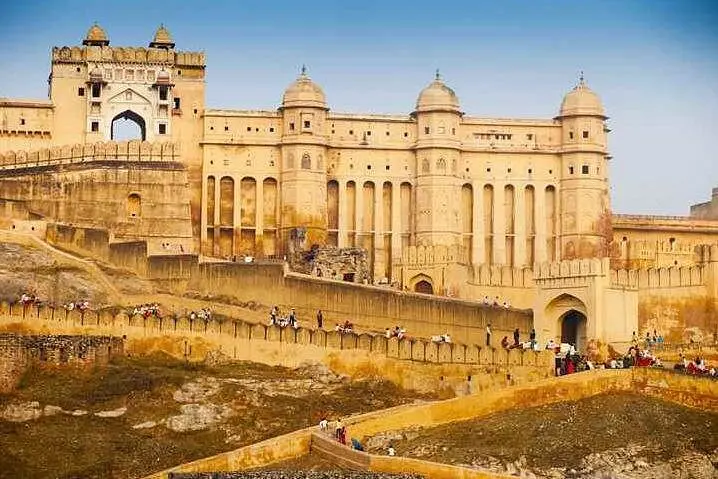
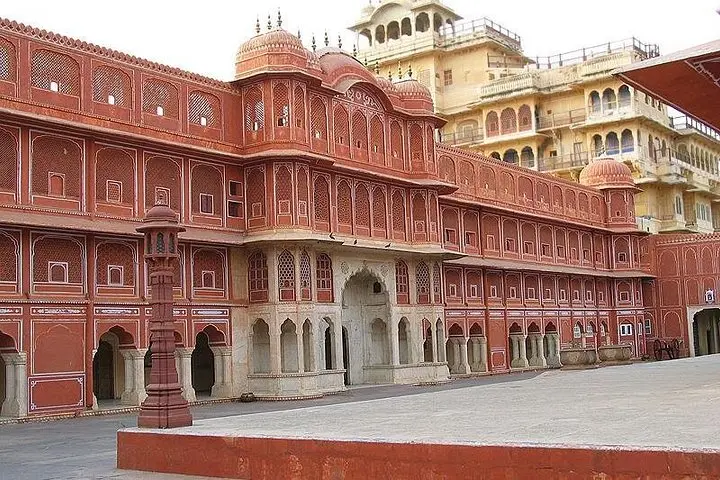
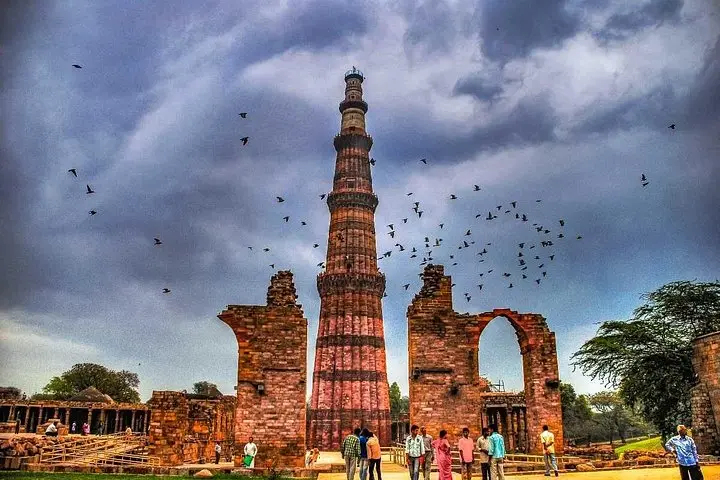
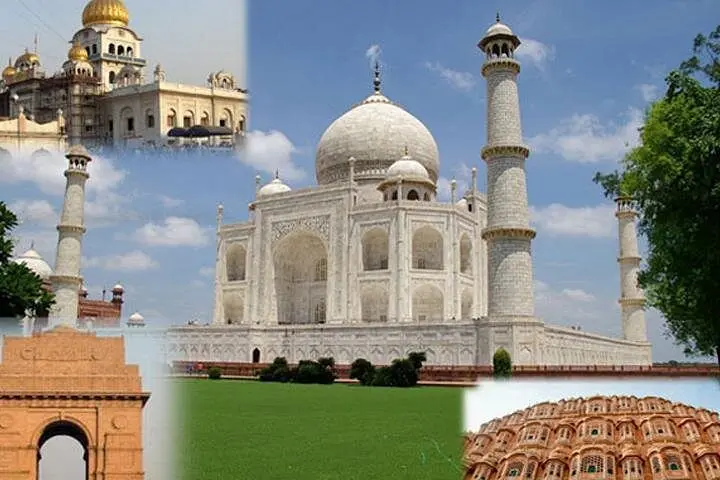
The circuit traces three political and cultural centers: Delhi’s colonial and Sultanate-era structures, Agra’s Mughal masterpieces including the Taj Mahal and Agra Fort, and Jaipur’s 18th-century city planning and forts. Geologically the route crosses the Indo-Gangetic plains—flat alluvium that allowed great empires to build expansive cities and irrigated gardens. Culturally the region is a meeting of Persian-influenced Mughal art and Rajput courtly life; expect ornate inlay, carved jharokhas (balconies), and bustling bazaars that still trade in textiles and crafts.
Practical rhythm: early starts at monuments beat the heat and crowds; drives along the Yamuna Expressway cut travel time and offer long, unobstructed views of the plains. Guides will navigate ticket lines and local etiquette—modest dress at religious sites, shoe removal, and photography rules at some shrines.
For travelers, comfortable walking shoes, a sun layer, and a reusable water bottle make movement between courtyards and markets simple. Plan visits to the Taj at sunrise or Mehtab Bagh at sunset for different light on the marble. Expect well-paved roads, short climbs at forts, and a steady cadence of stops for tea and photography. With private transport and guide, the Golden Triangle becomes an efficient, sensory-packed introduction to northern India’s history and living culture.
Yes — the private tour includes pickup from Delhi, Noida, or Gurugram; specify your arrival details at booking.
Sunrise offers the softest light and fewer crowds; your guide can schedule an early visit on day two.
Some key sites have limited accessibility; the operator notes wheelchair accessibility but confirm specifics for each monument in advance.
Tipping is customary; allow a modest tip for guides and drivers based on service quality—cash in local currency is preferred.
Taj Heritage Tour operates guided outdoor trips and adventures with an emphasis on safety, stewardship, and memorable experiences.
Morning light in Old Delhi slices between minarets and market awnings as a private car pulls away from the capital, setting a four-day rhythm of monumental stops and small discoveries. The itinerary moves like a chaptered map: Mughal white marble at Agra, Rajput pink sandstone in Jaipur, and the layered history of New Delhi threaded between them.
Morning light in Old Delhi slices between minarets and market awnings as a private car pulls away from the capital, setting a four-day rhythm of monumental stops and small discoveries. The itinerary moves like a chaptered map: Mughal white marble at Agra, Rajput pink sandstone in Jaipur, and the layered history of New Delhi threaded between them.
The circuit traces three political and cultural centers: Delhi’s colonial and Sultanate-era structures, Agra’s Mughal masterpieces including the Taj Mahal and Agra Fort, and Jaipur’s 18th-century city planning and forts. Geologically the route crosses the Indo-Gangetic plains—flat alluvium that allowed great empires to build expansive cities and irrigated gardens. Culturally the region is a meeting of Persian-influenced Mughal art and Rajput courtly life; expect ornate inlay, carved jharokhas (balconies), and bustling bazaars that still trade in textiles and crafts.
Practical rhythm: early starts at monuments beat the heat and crowds; drives along the Yamuna Expressway cut travel time and offer long, unobstructed views of the plains. Guides will navigate ticket lines and local etiquette—modest dress at religious sites, shoe removal, and photography rules at some shrines.
For travelers, comfortable walking shoes, a sun layer, and a reusable water bottle make movement between courtyards and markets simple. Plan visits to the Taj at sunrise or Mehtab Bagh at sunset for different light on the marble. Expect well-paved roads, short climbs at forts, and a steady cadence of stops for tea and photography. With private transport and guide, the Golden Triangle becomes an efficient, sensory-packed introduction to northern India’s history and living culture.