THE ADVENTURE COLLECTIVE® · Independent discovery and booking for outdoor travel

Three days of private transport and a local guide carry you from New Delhi’s monuments to the Taj’s marble and Jaipur’s forts. Expect early starts, close-up architecture, and practical tips for heat, modest dress and ticket lines.
Three days of private transport and a local guide carry you from New Delhi’s monuments to the Taj’s marble and Jaipur’s forts. Expect early starts, close-up architecture, and practical tips for heat, modest dress and ticket lines.
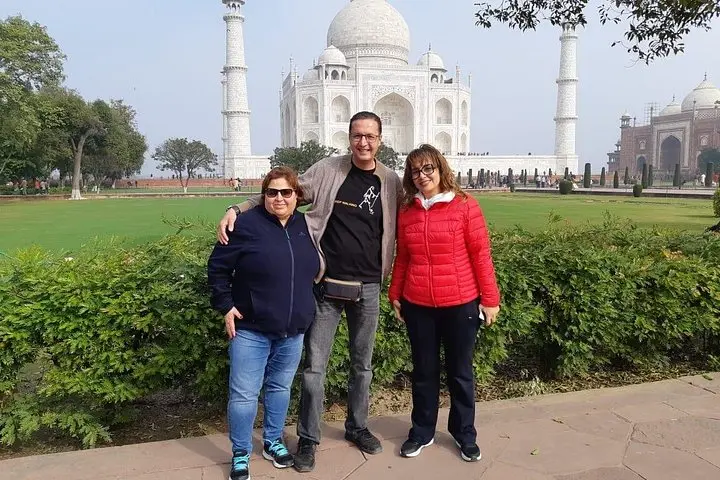
You step out of the car before dawn as the first ache of heat picks out the white marble of the Taj Mahal—its silhouette sharp against a pale sky. Over three days the landscape shifts from New Delhi’s broad ceremonial avenues and carved minarets to Agra’s regal marble and Jaipur’s red-sandstone ramparts, each city presenting its own pace and color.
Verified experiences and guided adventures in the surrounding area.
Operated by ITS Holidays · New Delhi, Delhi
You step out of the car before dawn as the first ache of heat picks out the white marble of the Taj Mahal—its silhouette sharp against a pale sky. Over three days the landscape shifts from New Delhi’s broad ceremonial avenues and carved minarets to Agra’s regal marble and Jaipur’s red-sandstone ramparts, each city presenting its own pace and color.
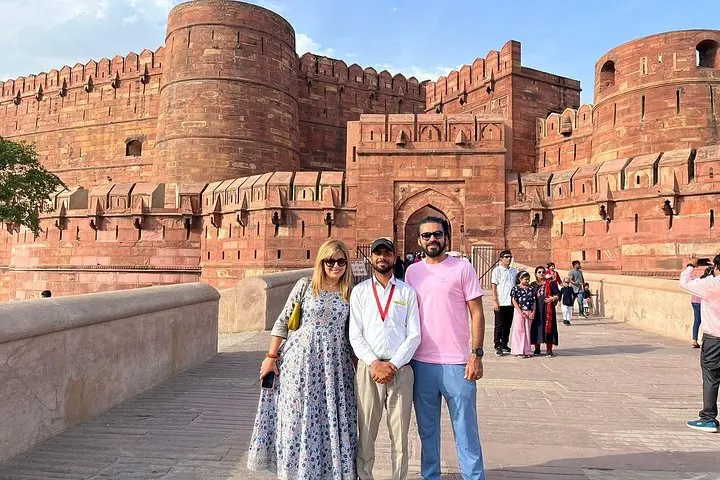
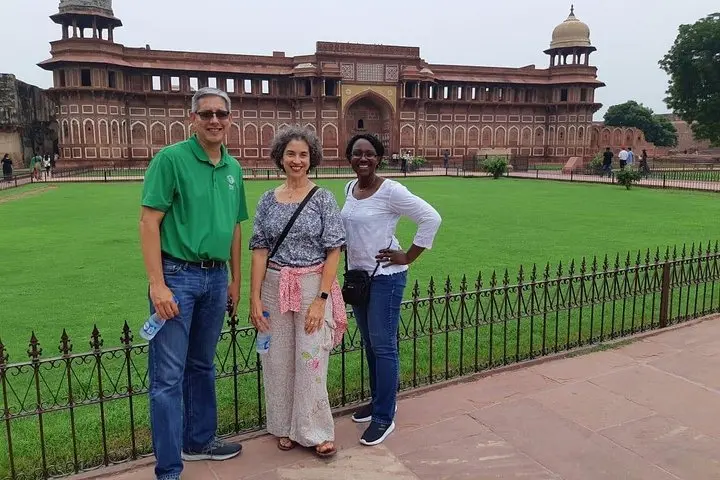
This route traces two major chapters of North India's history: Mughal imperial ambition, visible in Humayun’s Tomb, Agra Fort and the Taj, and Rajput court culture seen at Amer Fort, Hawa Mahal and the City Palace. Geology tells a simpler story—local red sandstone and pale marble, riverine alluvium from the Yamuna shaping the plains—materials that determined scale and ornament. Cultural life hums in markets, palaces and temples; guides often point out the blend of Persian and Indian forms at Fatehpur Sikri and the astronomical precision of Jaipur’s Jantar Mantar.
Practically: plan early mornings for the Taj to avoid crowds and midday heat, and expect steep staircases and carved jalis that invite close inspection. Bring a sun hat, modest clothing for temple and mosque visits, and a refillable water bottle—the tour includes private transport and hotel pickup, but entrance fees and peak-time tickets may be handled locally. Safety-wise, watch traffic when crossing busy streets, and agree on meeting points with your guide in bazaar zones.
By the end of day three you'll have moved through layered histories and lived architecture—each stop rewards patience and a willingness to slow down and read the stones.
Most standard entrance fees are not included in the base cost and are collected locally unless the booking specifies otherwise; confirm with the operator before travel.
Pickup times vary by hotel and day—early starts are common for sunrise at the Taj; the operator confirms exact pickup when you provide arrival details.
The itinerary involves walking on uneven ground and climbing stairs at forts and palaces; travelers with significant mobility issues should consult the operator in advance for accommodations.
Most international visitors require an e-Visa or visa stamped in advance—check current Indian government entry rules for your nationality and apply before travel.
ITS Holidays operates guided outdoor trips and adventures with an emphasis on safety, stewardship, and memorable experiences.

You step out of the car before dawn as the first ache of heat picks out the white marble of the Taj Mahal—its silhouette sharp against a pale sky. Over three days the landscape shifts from New Delhi’s broad ceremonial avenues and carved minarets to Agra’s regal marble and Jaipur’s red-sandstone ramparts, each city presenting its own pace and color.
You step out of the car before dawn as the first ache of heat picks out the white marble of the Taj Mahal—its silhouette sharp against a pale sky. Over three days the landscape shifts from New Delhi’s broad ceremonial avenues and carved minarets to Agra’s regal marble and Jaipur’s red-sandstone ramparts, each city presenting its own pace and color.
This route traces two major chapters of North India's history: Mughal imperial ambition, visible in Humayun’s Tomb, Agra Fort and the Taj, and Rajput court culture seen at Amer Fort, Hawa Mahal and the City Palace. Geology tells a simpler story—local red sandstone and pale marble, riverine alluvium from the Yamuna shaping the plains—materials that determined scale and ornament. Cultural life hums in markets, palaces and temples; guides often point out the blend of Persian and Indian forms at Fatehpur Sikri and the astronomical precision of Jaipur’s Jantar Mantar.
Practically: plan early mornings for the Taj to avoid crowds and midday heat, and expect steep staircases and carved jalis that invite close inspection. Bring a sun hat, modest clothing for temple and mosque visits, and a refillable water bottle—the tour includes private transport and hotel pickup, but entrance fees and peak-time tickets may be handled locally. Safety-wise, watch traffic when crossing busy streets, and agree on meeting points with your guide in bazaar zones.
By the end of day three you'll have moved through layered histories and lived architecture—each stop rewards patience and a willingness to slow down and read the stones.