THE ADVENTURE COLLECTIVE® · Independent discovery and booking for outdoor travel

Spend an afternoon moving from Mardi Gras World’s float studios to the tasting bar at Seven Three Distilling. This four-hour private tour pairs parade history with guided spirit tastings, an open-bar stop, and transport across New Orleans.
Spend an afternoon moving from Mardi Gras World’s float studios to the tasting bar at Seven Three Distilling. This four-hour private tour pairs parade history with guided spirit tastings, an open-bar stop, and transport across New Orleans.
The shuttle slides away from a low-slung hotel in the Quarter and the city exhales into the day: a brass riff from a passing band, the lazy curl of smoke from a nearby grill, and the promise of something boisterous waiting behind a warehouse door.
Verified experiences and guided adventures in the surrounding area.
Operated by Mardi Gras Mambo Tours · New Orleans, Louisiana
The shuttle slides away from a low-slung hotel in the Quarter and the city exhales into the day: a brass riff from a passing band, the lazy curl of smoke from a nearby grill, and the promise of something boisterous waiting behind a warehouse door.
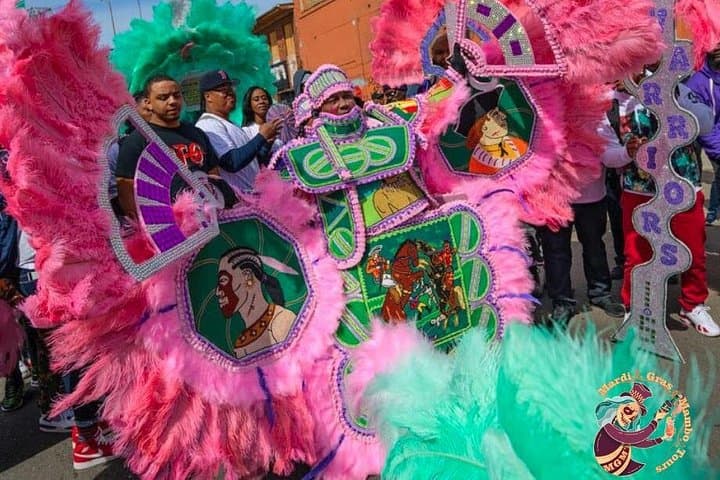
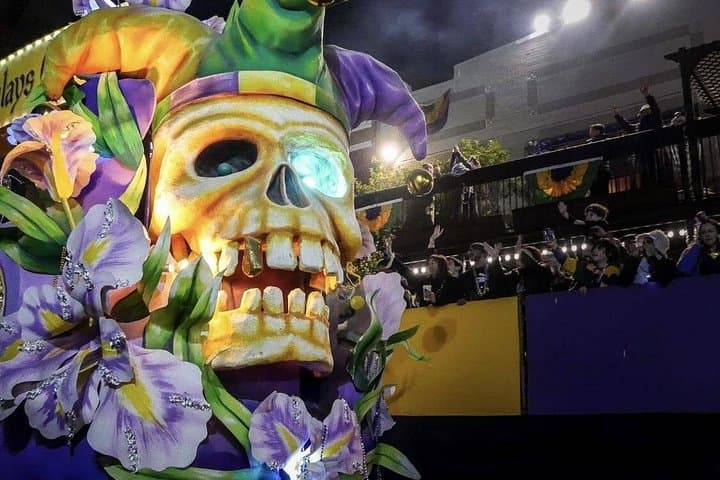
By the time you arrive at Mardi Gras World the scale becomes obvious — floats loom like slow-moving beasts, painted faces and gilded horses frozen mid-parade. Mardi Gras Mambo Tours stages the experience like a neighborhood second line: you move with purpose from one bright chapter to the next. First, a guided walk through Blaine Kern’s studio where the history of New Orleans’ parade culture is tactile — papier-mâché that once rode St. Charles Avenue and the mechanics that make carnival magic roll.
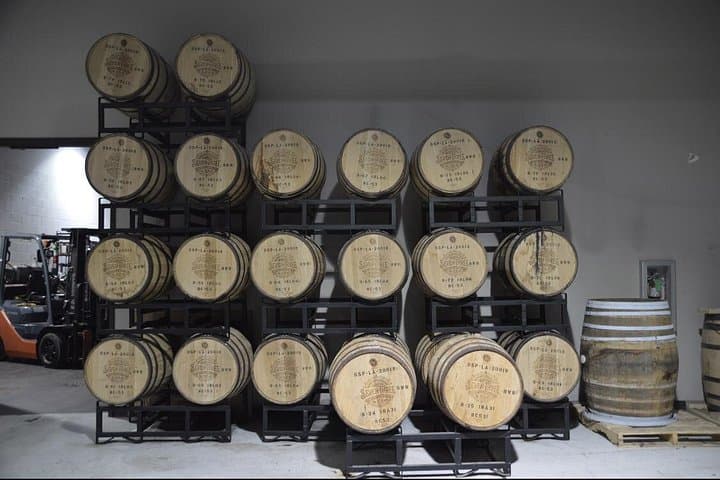
Later, the van drops you at Seven Three Distilling for the hands-on part: guided tastings of rum, whiskey, vodka and moonshine, short cocktail demonstrations, and a tour that threads prohibition-era lore with modern craft distilling. Sampling here isn’t just a line-up of spirits — it’s a chance to hear how local grains, Gulf molasses and salt-air humidity shape flavor.
The tour leans on New Orleans’ layered past: French, Spanish, Creole and African influences that shaped both cuisine and drinking culture, plus the industrial waterfront that allowed large-scale float production. Expect stories about Mardi Gras krewes, the post-Prohibition revival of local distilleries, and how a city of parades repurposes theatrical craft into everyday business.
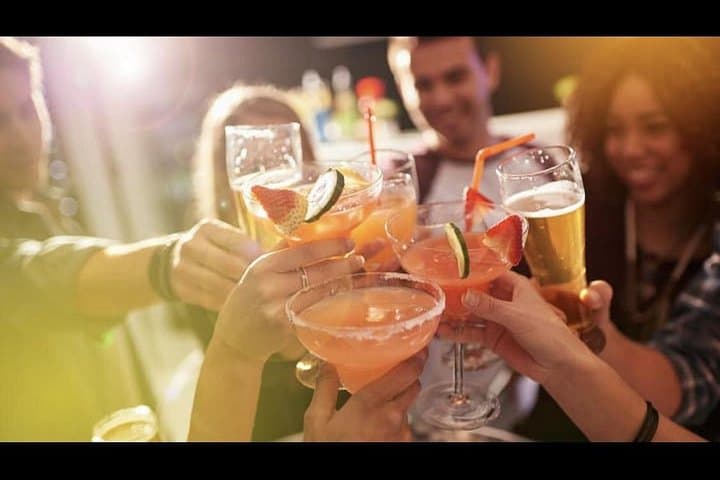
Practicalities are straightforward. The full experience runs about four hours with private transport between stops; kids can ride but must be 21 to drink. The company offers accessible vehicles and wheelchair-friendly paths at both venues. There’s an open bar element during the distillery stop, plus the option to add a chef-made charcuterie board. Wear comfortable shoes for walking on concrete and warehouse floors, bring a government ID, and plan for humidity in summer.
This isn’t a boozy free-for-all — guides manage pours and schedules, and the tone is more tasting tour than bar crawl. For photographers the contrast between glossy floats and raw distilling equipment delivers striking frames, and for curious travelers the combination of a cultural museum and a working distillery gives a rounded sense of how celebration and craft feed one another in New Orleans.
If you want a concentrated afternoon that pairs parade lore with liquid history, Mardi Gras Mambo’s open-bar tour is lean, local and reliably entertaining — a short, sensory sprint through two corners of the city that keep New Orleans moving forward.
Children are welcome to join the tour by shuttle, but must be 21 to participate in tastings or consume alcohol.
Yes — transportation and both venues offer wheelchair-accessible routes; contact the operator ahead of time to arrange specifics.
Expect short walks on flat concrete surfaces at both stops and brief transfers from van to venue; the tour is rated easy.
Gratuities are not included; guides and drivers appreciate standard service tips at your discretion.
Yes — the operator offers optional charcuterie selections for an extra fee; request additions when booking.
The tour runs rain or shine; much of the activity is indoors. The cancellation policy allows a full refund if you cancel at least 24 hours prior.
Mardi Gras Mambo Tours operates guided outdoor trips and adventures with an emphasis on safety, stewardship, and memorable experiences.
The shuttle slides away from a low-slung hotel in the Quarter and the city exhales into the day: a brass riff from a passing band, the lazy curl of smoke from a nearby grill, and the promise of something boisterous waiting behind a warehouse door.
The shuttle slides away from a low-slung hotel in the Quarter and the city exhales into the day: a brass riff from a passing band, the lazy curl of smoke from a nearby grill, and the promise of something boisterous waiting behind a warehouse door.
By the time you arrive at Mardi Gras World the scale becomes obvious — floats loom like slow-moving beasts, painted faces and gilded horses frozen mid-parade. Mardi Gras Mambo Tours stages the experience like a neighborhood second line: you move with purpose from one bright chapter to the next. First, a guided walk through Blaine Kern’s studio where the history of New Orleans’ parade culture is tactile — papier-mâché that once rode St. Charles Avenue and the mechanics that make carnival magic roll.
Later, the van drops you at Seven Three Distilling for the hands-on part: guided tastings of rum, whiskey, vodka and moonshine, short cocktail demonstrations, and a tour that threads prohibition-era lore with modern craft distilling. Sampling here isn’t just a line-up of spirits — it’s a chance to hear how local grains, Gulf molasses and salt-air humidity shape flavor.
The tour leans on New Orleans’ layered past: French, Spanish, Creole and African influences that shaped both cuisine and drinking culture, plus the industrial waterfront that allowed large-scale float production. Expect stories about Mardi Gras krewes, the post-Prohibition revival of local distilleries, and how a city of parades repurposes theatrical craft into everyday business.
Practicalities are straightforward. The full experience runs about four hours with private transport between stops; kids can ride but must be 21 to drink. The company offers accessible vehicles and wheelchair-friendly paths at both venues. There’s an open bar element during the distillery stop, plus the option to add a chef-made charcuterie board. Wear comfortable shoes for walking on concrete and warehouse floors, bring a government ID, and plan for humidity in summer.
This isn’t a boozy free-for-all — guides manage pours and schedules, and the tone is more tasting tour than bar crawl. For photographers the contrast between glossy floats and raw distilling equipment delivers striking frames, and for curious travelers the combination of a cultural museum and a working distillery gives a rounded sense of how celebration and craft feed one another in New Orleans.
If you want a concentrated afternoon that pairs parade lore with liquid history, Mardi Gras Mambo’s open-bar tour is lean, local and reliably entertaining — a short, sensory sprint through two corners of the city that keep New Orleans moving forward.