THE ADVENTURE COLLECTIVE® · Independent discovery and booking for outdoor travel

Board an air-conditioned bus after dusk and travel Esplanade Avenue to lesser-known cemeteries where guides weave history, voodoo lore, and eyewitness accounts into a two-hour haunted excursion. Expect above-ground tombs, whispered stories, and camera-ready moments.
Board an air-conditioned bus after dusk and travel Esplanade Avenue to lesser-known cemeteries where guides weave history, voodoo lore, and eyewitness accounts into a two-hour haunted excursion. Expect above-ground tombs, whispered stories, and camera-ready moments.
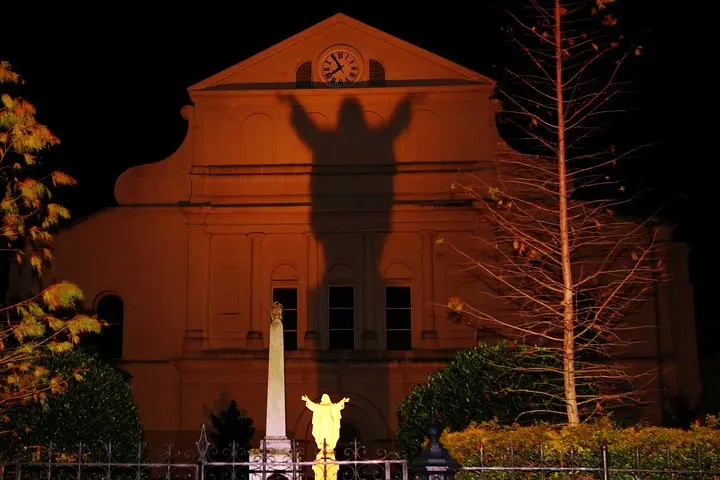
You step onto an air-conditioned bus as the sky goes from bruise to black and the city’s edges sharpen. Headlights carve a path down Esplanade Avenue where moss-draped oaks lean close and seem to murmur warnings. The guide’s voice slices through the hush—measured, archival, hungry for the details that make New Orleans one of America’s most haunted cities. The bus moves like a slow, deliberate heartbeat, crossing the Magnolia Bridge over Bayou St. John where, the guide says, the water still keeps secrets and rituals return every St. John’s Eve.
Verified experiences and guided adventures in the surrounding area.
Operated by Haunted History Tours · New Orleans, Louisiana
You step onto an air-conditioned bus as the sky goes from bruise to black and the city’s edges sharpen. Headlights carve a path down Esplanade Avenue where moss-draped oaks lean close and seem to murmur warnings. The guide’s voice slices through the hush—measured, archival, hungry for the details that make New Orleans one of America’s most haunted cities. The bus moves like a slow, deliberate heartbeat, crossing the Magnolia Bridge over Bayou St. John where, the guide says, the water still keeps secrets and rituals return every St. John’s Eve.
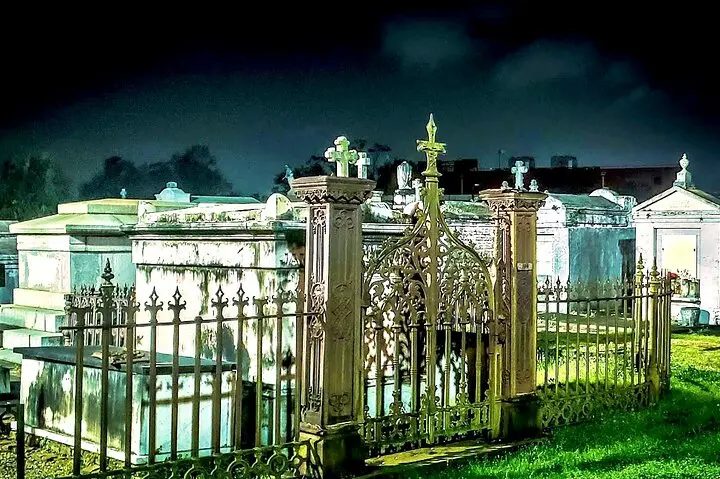
This is a tour built around architecture and atmosphere as much as lore. New Orleans’ cemeteries are above ground because the river’s alluvial soils and a high water table make conventional graves impractical; the city learned to build tombs and vaults that rise from the earth like small urban neighborhoods. Many burial grounds expanded during the 19th-century yellow fever epidemics, and practices associated with voodoo—most famously Marie Laveau’s rites—are woven into the city’s cultural fabric. The dead here are visible neighbors; their marble faces and ironwork gates are part history, part stage set.
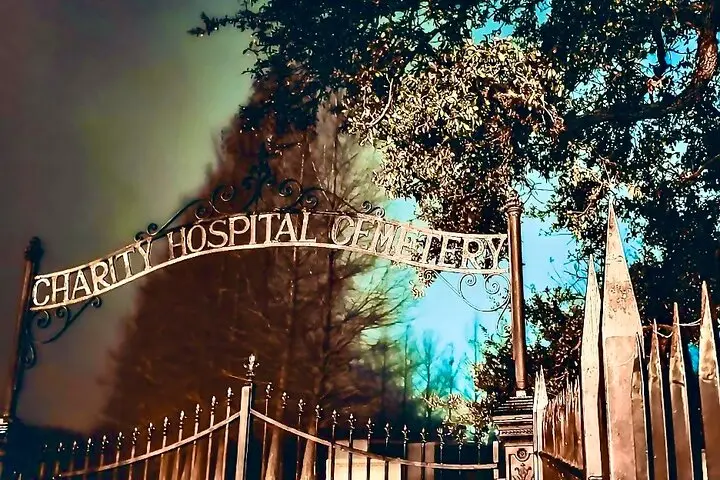
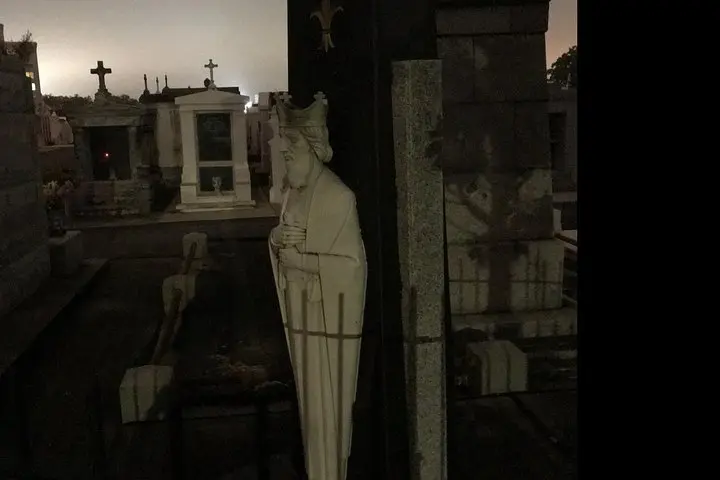
Walking between the vaults at night, the stones seem to exhale. You’ll hear stories of apparitions and recorded EVP captures, but the tour is equal parts folklore, urban history, and theatrical suspense. Guides stop at several locations outside the French Quarter to avoid crowds; the exact cemetery is deliberately undisclosed, which preserves a sense of danger and discovery. Expect close-up views of ornate crypts, iron crosses, and inscriptions that read like small biographies of a city shaped by water, trade, and loss.
Practicalities matter: the tour lasts about two hours and moves at a relaxed pace with short walks at each stop. Dress for humidity and mosquitoes in summer; bring a jacket in winter when nights get crisp. Photography is allowed—many guests report strange artifacts in photos—so keep your camera ready but respectful. The company asks you to be quiet and reverent in burial grounds; flash photography and touching markers are frowned upon.
If you go hoping to be frightened, keep an open mind and an even keel. The real power of this outing comes from place and story—the way streets dare you forward, the hush of the cemetery, the guide who threads fact with witness. Leave a little room for the unexpected; in New Orleans, the city’s past refuses to stay polite and politely dead.
Duration: 2 hours. Arrival: 20 minutes early recommended. Bring ID, a charged phone, and a low-light camera for the best memories.
The guided bus tour runs approximately two hours with short on-foot stops at select sites.
The tour visits cemeteries outside the French Quarter and does not disclose exact cemetery locations in advance.
Yes—photography is permitted, but be respectful: no flash on fragile markers and avoid touching graves.
The tour is family-friendly but includes themes of death and the supernatural; parental discretion is advised for younger children.
The operator runs in most weather conditions; bring rain gear and dress appropriately—check cancellation policy for severe events.
Mobile or paper tickets are accepted; have your confirmation and a valid ID when you check in.
Haunted History Tours operates guided outdoor trips and adventures with an emphasis on safety, stewardship, and memorable experiences.
You step onto an air-conditioned bus as the sky goes from bruise to black and the city’s edges sharpen. Headlights carve a path down Esplanade Avenue where moss-draped oaks lean close and seem to murmur warnings. The guide’s voice slices through the hush—measured, archival, hungry for the details that make New Orleans one of America’s most haunted cities. The bus moves like a slow, deliberate heartbeat, crossing the Magnolia Bridge over Bayou St. John where, the guide says, the water still keeps secrets and rituals return every St. John’s Eve.
You step onto an air-conditioned bus as the sky goes from bruise to black and the city’s edges sharpen. Headlights carve a path down Esplanade Avenue where moss-draped oaks lean close and seem to murmur warnings. The guide’s voice slices through the hush—measured, archival, hungry for the details that make New Orleans one of America’s most haunted cities. The bus moves like a slow, deliberate heartbeat, crossing the Magnolia Bridge over Bayou St. John where, the guide says, the water still keeps secrets and rituals return every St. John’s Eve.
This is a tour built around architecture and atmosphere as much as lore. New Orleans’ cemeteries are above ground because the river’s alluvial soils and a high water table make conventional graves impractical; the city learned to build tombs and vaults that rise from the earth like small urban neighborhoods. Many burial grounds expanded during the 19th-century yellow fever epidemics, and practices associated with voodoo—most famously Marie Laveau’s rites—are woven into the city’s cultural fabric. The dead here are visible neighbors; their marble faces and ironwork gates are part history, part stage set.
Walking between the vaults at night, the stones seem to exhale. You’ll hear stories of apparitions and recorded EVP captures, but the tour is equal parts folklore, urban history, and theatrical suspense. Guides stop at several locations outside the French Quarter to avoid crowds; the exact cemetery is deliberately undisclosed, which preserves a sense of danger and discovery. Expect close-up views of ornate crypts, iron crosses, and inscriptions that read like small biographies of a city shaped by water, trade, and loss.
Practicalities matter: the tour lasts about two hours and moves at a relaxed pace with short walks at each stop. Dress for humidity and mosquitoes in summer; bring a jacket in winter when nights get crisp. Photography is allowed—many guests report strange artifacts in photos—so keep your camera ready but respectful. The company asks you to be quiet and reverent in burial grounds; flash photography and touching markers are frowned upon.
If you go hoping to be frightened, keep an open mind and an even keel. The real power of this outing comes from place and story—the way streets dare you forward, the hush of the cemetery, the guide who threads fact with witness. Leave a little room for the unexpected; in New Orleans, the city’s past refuses to stay polite and politely dead.
Duration: 2 hours. Arrival: 20 minutes early recommended. Bring ID, a charged phone, and a low-light camera for the best memories.