THE ADVENTURE COLLECTIVE® · Independent discovery and booking for outdoor travel

Walk the French Quarter after sunset with local guides who pair haunted tales with real history. This two-hour small-group tour visits LaLaurie Mansion, Jackson Square-adjacent alleys and other eerie corners where the city’s past still feels present.
Walk the French Quarter after sunset with local guides who pair haunted tales with real history. This two-hour small-group tour visits LaLaurie Mansion, Jackson Square-adjacent alleys and other eerie corners where the city’s past still feels present.
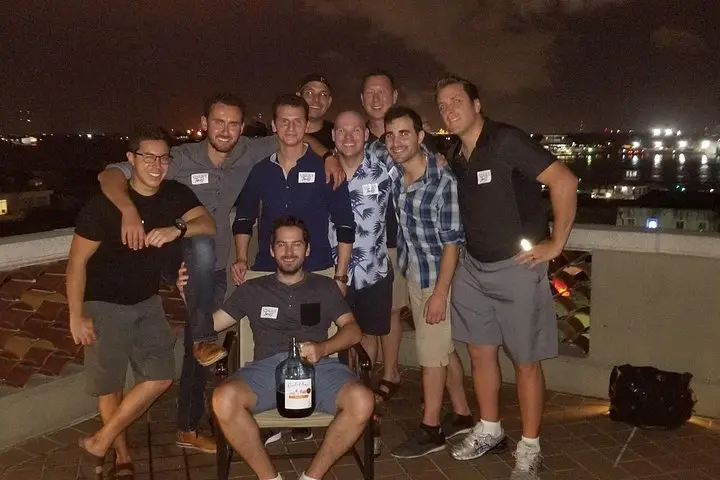
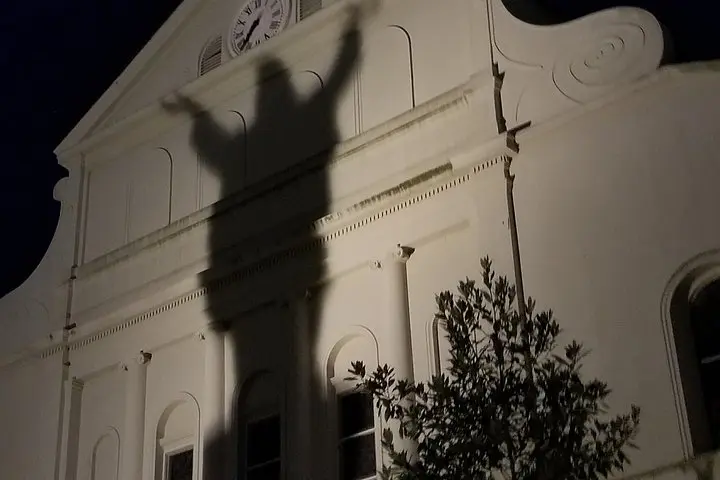
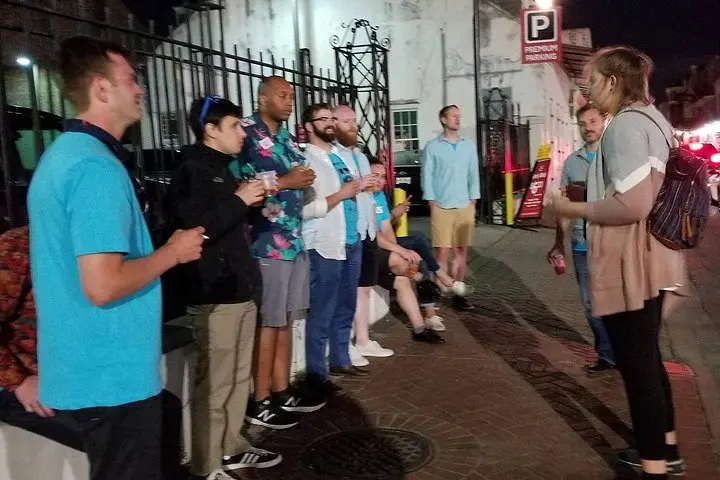
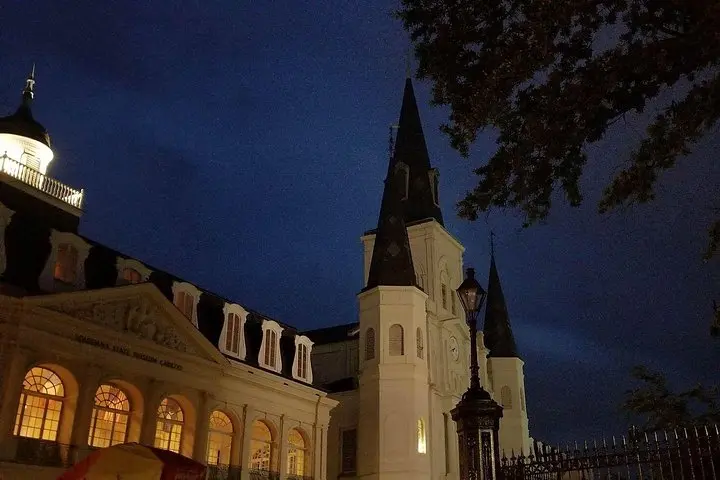
The streetlamps of the French Quarter take on a different voice after dark—lamplight flattens the faces of buildings, and the humid air seems to hold its breath. On an evening walking tour, a small group threads between cast-iron balconies and shuttered courtyards, led by a guide who moves like a practiced storyteller through alleys and plazas. The city’s history arrives in fragments: a name carved into a plaque, a marble stoop that once saw a public hanging, a mansion with a reputation so notorious that even its façade feels watchful.
Verified experiences and guided adventures in the surrounding area.
Operated by Unique NOLA · New Orleans, Louisiana
The streetlamps of the French Quarter take on a different voice after dark—lamplight flattens the faces of buildings, and the humid air seems to hold its breath. On an evening walking tour, a small group threads between cast-iron balconies and shuttered courtyards, led by a guide who moves like a practiced storyteller through alleys and plazas. The city’s history arrives in fragments: a name carved into a plaque, a marble stoop that once saw a public hanging, a mansion with a reputation so notorious that even its façade feels watchful.
New Orleans' ghosts are rooted in real history. The French Quarter was laid out in the early 18th century; its streets remember French and Spanish colonial rule, the commerce of the Mississippi River, and the human cost of trade and slavery. Places like the LaLaurie Mansion, whose grim 19th-century scandals became part of local lore, sit amid architecture that survived fires, floods and the city’s slow subsidence. Geologically, this is alluvial ground—land the Mississippi pushed into being—so the city’s relationship with water and levees is more than background detail; it shaped the neighborhoods where the stories take place.
Culturally, the tour is a compact primer in New Orleans identity: Catholic processions, Creole households, jazz’s nighttime pulse beyond the tourist corridors. Guides blend true crime, recorded hauntings and oral history with practical context—why certain houses have ironwork, how the city’s cemeteries came to skyward tombstones, and why Bourbon Street’s neon glow is a poor barometer for local folklore.
For travelers, the experience is both theatrical and practical. Tours meet at 815 Toulouse St, run about two hours and keep groups small (under 15). Routes cover mostly flat, paved streets—accessible to many mobility levels, though some sidewalks are narrow or uneven. There are scheduled bathroom and drink breaks; the evening timing makes it easier to hear ghost stories without daytime crowds, but it also means you should dress for humidity and an urban breeze off the river.
Plan to arrive early enough to chat with your guide, bring a small flashlight or phone with a usable battery for steps and alleys, and wear closed-toe shoes to steer clear of slick patches after rain. Keep curiosity respectful: many stops are private residences or active businesses—guides will tell you where to pause and where to simply listen.
In short, this is an evening that mixes history, architecture and theatre: a way to walk New Orleans’ darker chapters with a local voice at your shoulder and the city’s restless streets doing the rest of the talking.
The tour runs about two hours and moves through the core of the French Quarter, including stops near Jackson Square, Royal Street, and the LaLaurie Mansion area.
Yes—this operator lists wheelchair accessibility for surfaces and transportation, but contact them ahead for specific assistance or to confirm access needs.
Infants and small children in strollers are allowed, but content includes true crime and grim history that may not be suitable for very young listeners.
Dress for humidity and cooler night breezes off the river—closed-toe shoes, a light jacket and layers you can remove are recommended.
Photography is permitted from public sidewalks; however, private property should not be entered or trespassed upon—follow your guide’s instructions for photos.
You can receive a full refund if you cancel at least 24 hours before the scheduled departure time.
Unique NOLA operates guided outdoor trips and adventures with an emphasis on safety, stewardship, and memorable experiences.
The streetlamps of the French Quarter take on a different voice after dark—lamplight flattens the faces of buildings, and the humid air seems to hold its breath. On an evening walking tour, a small group threads between cast-iron balconies and shuttered courtyards, led by a guide who moves like a practiced storyteller through alleys and plazas. The city’s history arrives in fragments: a name carved into a plaque, a marble stoop that once saw a public hanging, a mansion with a reputation so notorious that even its façade feels watchful.
The streetlamps of the French Quarter take on a different voice after dark—lamplight flattens the faces of buildings, and the humid air seems to hold its breath. On an evening walking tour, a small group threads between cast-iron balconies and shuttered courtyards, led by a guide who moves like a practiced storyteller through alleys and plazas. The city’s history arrives in fragments: a name carved into a plaque, a marble stoop that once saw a public hanging, a mansion with a reputation so notorious that even its façade feels watchful.
New Orleans' ghosts are rooted in real history. The French Quarter was laid out in the early 18th century; its streets remember French and Spanish colonial rule, the commerce of the Mississippi River, and the human cost of trade and slavery. Places like the LaLaurie Mansion, whose grim 19th-century scandals became part of local lore, sit amid architecture that survived fires, floods and the city’s slow subsidence. Geologically, this is alluvial ground—land the Mississippi pushed into being—so the city’s relationship with water and levees is more than background detail; it shaped the neighborhoods where the stories take place.
Culturally, the tour is a compact primer in New Orleans identity: Catholic processions, Creole households, jazz’s nighttime pulse beyond the tourist corridors. Guides blend true crime, recorded hauntings and oral history with practical context—why certain houses have ironwork, how the city’s cemeteries came to skyward tombstones, and why Bourbon Street’s neon glow is a poor barometer for local folklore.
For travelers, the experience is both theatrical and practical. Tours meet at 815 Toulouse St, run about two hours and keep groups small (under 15). Routes cover mostly flat, paved streets—accessible to many mobility levels, though some sidewalks are narrow or uneven. There are scheduled bathroom and drink breaks; the evening timing makes it easier to hear ghost stories without daytime crowds, but it also means you should dress for humidity and an urban breeze off the river.
Plan to arrive early enough to chat with your guide, bring a small flashlight or phone with a usable battery for steps and alleys, and wear closed-toe shoes to steer clear of slick patches after rain. Keep curiosity respectful: many stops are private residences or active businesses—guides will tell you where to pause and where to simply listen.
In short, this is an evening that mixes history, architecture and theatre: a way to walk New Orleans’ darker chapters with a local voice at your shoulder and the city’s restless streets doing the rest of the talking.