
New Orleans French Quarter Haunted History Cocktail Tour — Walking Ghost & Cocktail Bar Experience
Walk the French Quarter after dark with a guide, an EMF meter and a string of true (and deliciously dark) stories. This cocktail tour pairs local history—yellow fever, voodoo, pirates—with curated bar stops and practical tips for navigating uneven streets and humid nights.
An Adventure In New Orleans.
Walk the French Quarter after dark with a guide, an EMF meter and a string of true (and deliciously dark) stories. This cocktail tour pairs local history—yellow fever, voodoo, pirates—with curated bar stops and practical tips for navigating uneven streets and humid nights.
Read the full experience
A warm July evening in the French Quarter feels like a city holding its breath. The gas lamps blink to life, bourbon-scented air clings to the brick, and a guide in comfortable shoes leads a small group past shuttered courtyards and narrow alleys where the past still argues with the present.
A warm July evening in the French Quarter feels like a city holding its breath. The gas lamps blink to life, bourbon-scented air clings to the brick, and a guide in comfortable shoes leads a small group past shuttered courtyards and narrow alleys where the past still argues with the present.
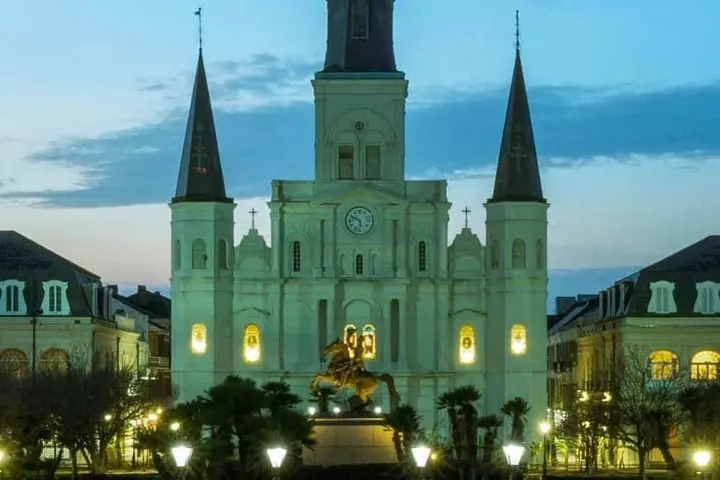
This two-hour walking tour moves at a moderate clip from the gate outside Lafitte's Blacksmith Shop Bar, threading through Jackson Square, past St. Louis Cathedral and into the darker corners of New Orleans’ layered history. Guides pair local lore—casket girls, dueling grounds and yellow fever mass graves—with theatrical details: which homes doubled as Hollywood sets, where pirates and prostitutes helped build the city, and why the city’s above-ground cemeteries feel like open-air storybooks.
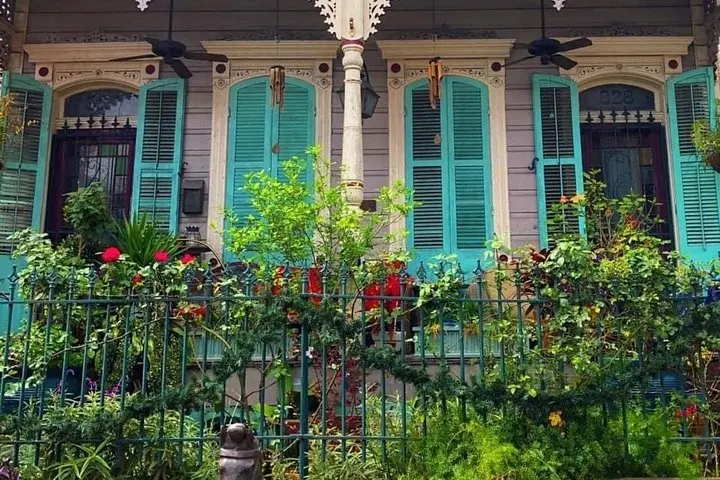
Geology and environment show up in the margins: the French Quarter sits on a ridge of higher ground beside the Mississippi, a small island of firm earth in a landscape shaped by riverine currents and coastal marshes. The river dares you to remember how water and storm have finished more chapters in New Orleans’ story than any human hand. That precarious relationship underpins the city’s architecture—thick brick, raised homes, and iron balconies built both for air and endurance.
Culture here is restless and public. Jazz and Creole food appear in footnotes of the tour; voodoo and spiritual practices intersect with French, Spanish and African histories to create a civic vocabulary of rituals, parades and protections. The guides are storytellers who use a real EMF meter and selective humor to separate sensationalism from archival record—ghost-hunt flourish layered over researched context.
Practicalities are simple and essential. Wear closed, well-cushioned shoes for uneven, often slick sidewalks. Bring an ID if you plan to buy drinks at stops, and keep a water bottle on hand—the Quarter can be brutally hot and humid. The route is public and accessible; the operator notes wheelchair access but warns uneven stones and crowds can challenge mobility.
For travelers, this tour is a sharp way to pair nightlife with narrative: you leave with a clearer map of why New Orleans looks and behaves the way it does, plus a handful of stories you’ll repeat with a grin. It’s not a guarantee of spectral proof—guides are explicit about that—but it is an effective way to read the city at dusk, when the lights make the past look like it’s leaning close to tell you something.
Frequently asked questions
Tours run approximately 60–120 minutes depending on group size and bar wait times.
The operator lists wheelchair access, but uneven streets and crowds may pose challenges—contact the operator to discuss specific needs.
No—guides are clear there are no guarantees of paranormal encounters; the tour focuses on history, legends and occasional guests’ photos.
Yes—guests may purchase drinks at select stops; bring ID and drink responsibly to avoid refusal of service.
Guides start on schedule; late arrivals may miss the tour and will not be refunded—contact the operator ahead if you expect a delay.
Children and strollers are permitted, but some bar stops may not admit minors—check route details and plan accordingly.
About This Experience
New Orleans Drunk History Tours • Show Me New Orleans Tours operates guided outdoor trips and adventures with an emphasis on safety, stewardship, and memorable experiences.
Adventure tips
Recommended gear
- Comfortable walking shoes: Support and traction for old brick, cobblestones and slick sidewalks.
- Government ID: Required for purchasing alcoholic drinks at bar stops and for age verification.
- Phone with camera and portable charger: Low-light photos and recording memories—battery runs down quickly during evenings.
- Light rain jacket or poncho: Short sudden showers are common in summer—packable protection keeps you comfortable.
Photos of the experience
Related adventures & guides
Read the full experience
A warm July evening in the French Quarter feels like a city holding its breath. The gas lamps blink to life, bourbon-scented air clings to the brick, and a guide in comfortable shoes leads a small group past shuttered courtyards and narrow alleys where the past still argues with the present.
A warm July evening in the French Quarter feels like a city holding its breath. The gas lamps blink to life, bourbon-scented air clings to the brick, and a guide in comfortable shoes leads a small group past shuttered courtyards and narrow alleys where the past still argues with the present.
This two-hour walking tour moves at a moderate clip from the gate outside Lafitte's Blacksmith Shop Bar, threading through Jackson Square, past St. Louis Cathedral and into the darker corners of New Orleans’ layered history. Guides pair local lore—casket girls, dueling grounds and yellow fever mass graves—with theatrical details: which homes doubled as Hollywood sets, where pirates and prostitutes helped build the city, and why the city’s above-ground cemeteries feel like open-air storybooks.
Geology and environment show up in the margins: the French Quarter sits on a ridge of higher ground beside the Mississippi, a small island of firm earth in a landscape shaped by riverine currents and coastal marshes. The river dares you to remember how water and storm have finished more chapters in New Orleans’ story than any human hand. That precarious relationship underpins the city’s architecture—thick brick, raised homes, and iron balconies built both for air and endurance.
Culture here is restless and public. Jazz and Creole food appear in footnotes of the tour; voodoo and spiritual practices intersect with French, Spanish and African histories to create a civic vocabulary of rituals, parades and protections. The guides are storytellers who use a real EMF meter and selective humor to separate sensationalism from archival record—ghost-hunt flourish layered over researched context.
Practicalities are simple and essential. Wear closed, well-cushioned shoes for uneven, often slick sidewalks. Bring an ID if you plan to buy drinks at stops, and keep a water bottle on hand—the Quarter can be brutally hot and humid. The route is public and accessible; the operator notes wheelchair access but warns uneven stones and crowds can challenge mobility.
For travelers, this tour is a sharp way to pair nightlife with narrative: you leave with a clearer map of why New Orleans looks and behaves the way it does, plus a handful of stories you’ll repeat with a grin. It’s not a guarantee of spectral proof—guides are explicit about that—but it is an effective way to read the city at dusk, when the lights make the past look like it’s leaning close to tell you something.
Make a day of it nearby.
Verified experiences and guided adventures in the surrounding area.