THE ADVENTURE COLLECTIVE® · Independent discovery and booking for outdoor travel

Walk from Congo Square to Preservation Hall on a focused two-hour tour that traces New Orleans’ role in jazz, R&B, and modern street music. Expect historical stops, live street performances, and practical tips for navigating heat, crowds, and local etiquette.
Walk from Congo Square to Preservation Hall on a focused two-hour tour that traces New Orleans’ role in jazz, R&B, and modern street music. Expect historical stops, live street performances, and practical tips for navigating heat, crowds, and local etiquette.
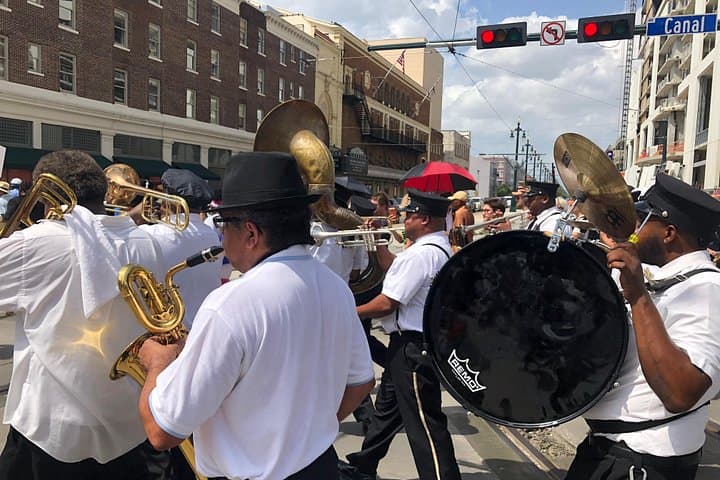
The city breathes rhythm before you even step from the curb: brass wafts from a corner, a snare taps down a side street, and the Mississippi looms like a patient accompanist. This two-hour walking tour threads the French Quarter and Tremé, beginning at the Rampart Treehouse and ending at Preservation Hall, pulling at the seams of New Orleans’ musical DNA.
Verified experiences and guided adventures in the surrounding area.
Operated by Historic New Orleans Tours · New Orleans, Louisiana
The city breathes rhythm before you even step from the curb: brass wafts from a corner, a snare taps down a side street, and the Mississippi looms like a patient accompanist. This two-hour walking tour threads the French Quarter and Tremé, beginning at the Rampart Treehouse and ending at Preservation Hall, pulling at the seams of New Orleans’ musical DNA.
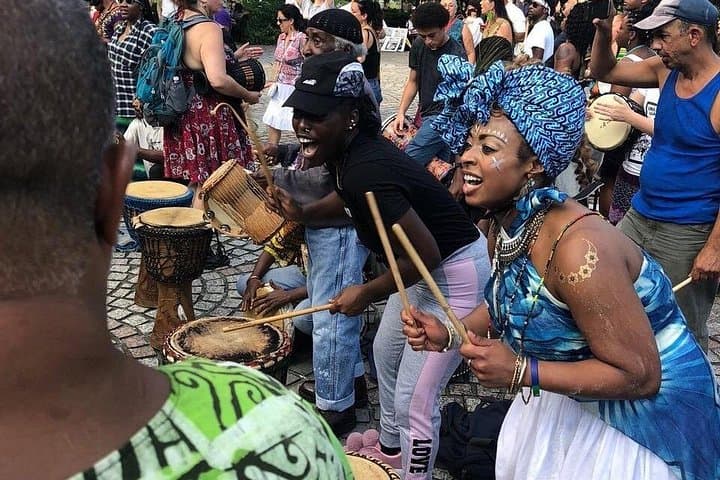
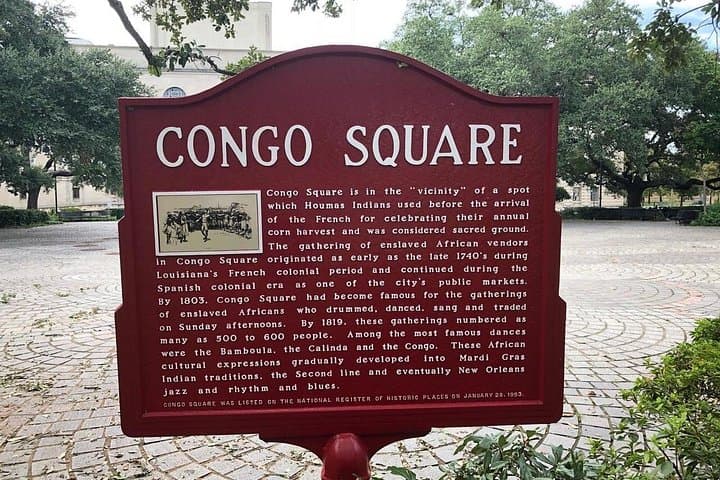
History sits in the pavement here. Congo Square was the rare place in North America where West African ritual and song persisted openly; nearby J&M Studios and Basin Street mark the birthplaces of R&B, early rock ’n’ roll and jazz’s formative experiments. Storyville’s old blocks echo with names—Buddy Bolden, Jelly Roll Morton—and the city’s bounce and modern street scenes continue to update that lineage.
Geology and water shaped it: the Mississippi’s curve funneled trade and migration, concentrating cultures that turned percussive traditions into popular forms. Culturally, expect warmth and directness—musicians hustling for tips, elders recounting anecdotes, neighborhoods balancing daily life with performance.
Practical guidance: the route is flat but cobbled in spots; wear sturdy walking shoes and carry a refillable bottle. Plan for heat and humidity in summer and bring a light layer at night year-round. Bring small bills for street musicians and Preservation Hall queues. The tour is wheelchair accessible and family-friendly, but streets can be crowded—keep valuables secure and be mindful when photographing performers.
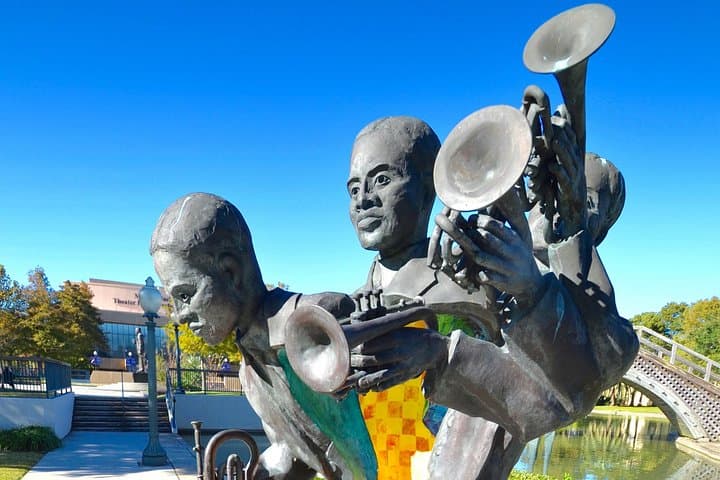
This walk is equal parts field lesson and live show: history underfoot, present-day musicians daring you to listen closer.
The tour lasts about two hours and covers roughly 1–1.5 miles of mostly flat streets with occasional cobblestones.
Yes — meeting points, much of the route, and listed venues are wheelchair accessible, though some sidewalks can be narrow or uneven.
You’ll hear street musicians and stops at music-related landmarks; Preservation Hall is the endpoint where live shows are central, though admission to hall concerts is independent.
Photographing public street performances is common—ask performers before close-up shots and consider tipping if you use photos for commercial purposes.
Historic New Orleans Tours operates guided outdoor trips and adventures with an emphasis on safety, stewardship, and memorable experiences.
The city breathes rhythm before you even step from the curb: brass wafts from a corner, a snare taps down a side street, and the Mississippi looms like a patient accompanist. This two-hour walking tour threads the French Quarter and Tremé, beginning at the Rampart Treehouse and ending at Preservation Hall, pulling at the seams of New Orleans’ musical DNA.
The city breathes rhythm before you even step from the curb: brass wafts from a corner, a snare taps down a side street, and the Mississippi looms like a patient accompanist. This two-hour walking tour threads the French Quarter and Tremé, beginning at the Rampart Treehouse and ending at Preservation Hall, pulling at the seams of New Orleans’ musical DNA.
History sits in the pavement here. Congo Square was the rare place in North America where West African ritual and song persisted openly; nearby J&M Studios and Basin Street mark the birthplaces of R&B, early rock ’n’ roll and jazz’s formative experiments. Storyville’s old blocks echo with names—Buddy Bolden, Jelly Roll Morton—and the city’s bounce and modern street scenes continue to update that lineage.
Geology and water shaped it: the Mississippi’s curve funneled trade and migration, concentrating cultures that turned percussive traditions into popular forms. Culturally, expect warmth and directness—musicians hustling for tips, elders recounting anecdotes, neighborhoods balancing daily life with performance.
Practical guidance: the route is flat but cobbled in spots; wear sturdy walking shoes and carry a refillable bottle. Plan for heat and humidity in summer and bring a light layer at night year-round. Bring small bills for street musicians and Preservation Hall queues. The tour is wheelchair accessible and family-friendly, but streets can be crowded—keep valuables secure and be mindful when photographing performers.
This walk is equal parts field lesson and live show: history underfoot, present-day musicians daring you to listen closer.