THE ADVENTURE COLLECTIVE® · Independent discovery and booking for outdoor travel

Explore Prague’s New Town on a focused 2–3 hour walk that traces public squares, WWII resistance, and Cold War memory. The route begins at St. Ludmila and finishes on the Vltava riverbank at the Dancing House and Naplavka terraces.
Explore Prague’s New Town on a focused 2–3 hour walk that traces public squares, WWII resistance, and Cold War memory. The route begins at St. Ludmila and finishes on the Vltava riverbank at the Dancing House and Naplavka terraces.
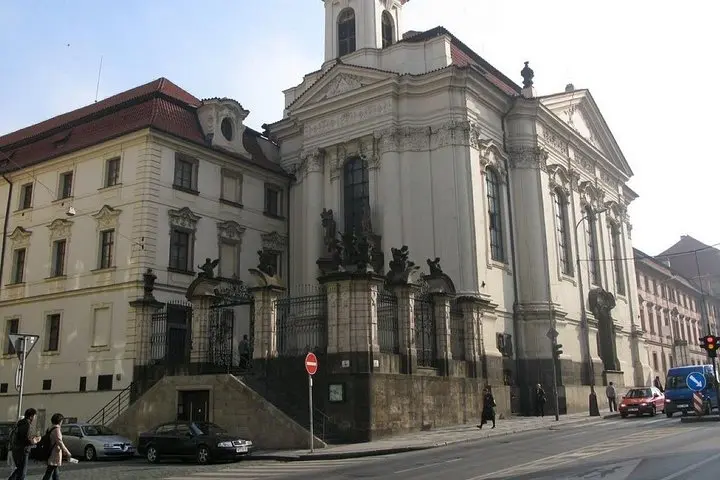
You step out under the belfry of St. Ludmila and the city exhales — tram bells, the Vinohrady facades, the stone geometry of a planned city. The walk moves like a slow current through Nové Město: broad squares, apartment blocks that once housed radical politics, and the hush of memorials that demand attention.
Verified experiences and guided adventures in the surrounding area.
Operated by I Love Praag · Prague, Prague
You step out under the belfry of St. Ludmila and the city exhales — tram bells, the Vinohrady facades, the stone geometry of a planned city. The walk moves like a slow current through Nové Město: broad squares, apartment blocks that once housed radical politics, and the hush of memorials that demand attention.
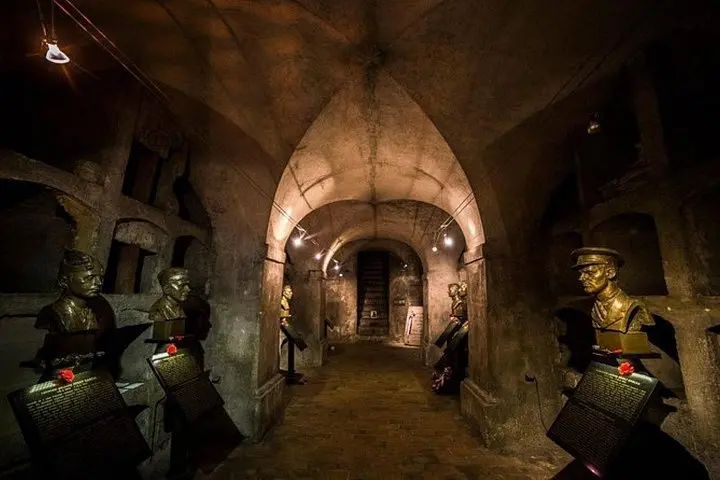
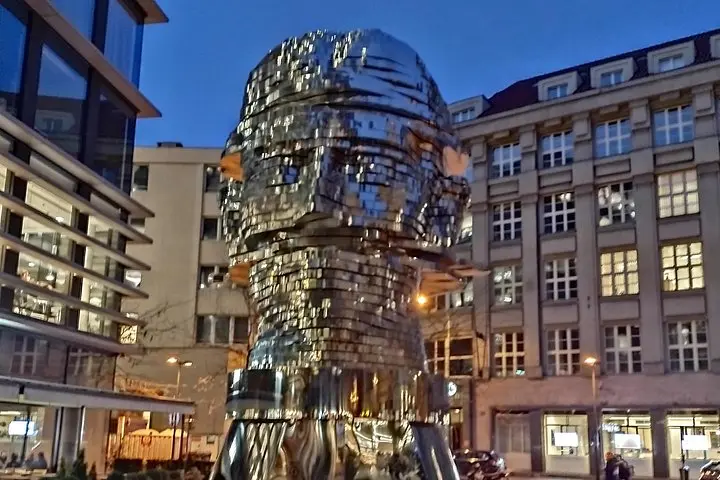
Nové Město (New Town) was founded by Charles IV in 1348 as a deliberate expansion of Prague’s civic life; its streets mix Gothic origins with 19th- and 20th-century urbanism. The tour threads history into place — from Jan Palach’s protests against Soviet-backed oppression to the Operation Anthropoid raid that felled SS deputy Reinhard Heydrich in 1942. Architecture tells another layer: the austere civic buildings of the Austro-Hungarian era, the later Brutalist and modernist inserts, and the outsize personality of the Dancing House at the river’s bend.
Culturally the area is direct: memorial plaques, sculpted figures, and cafés where locals argue politics over coffee. Geology is a minor player here — the Vltava’s floodplain and Prague’s bedrock mean abrupt slopes and cellar-lined streets rather than long climbs — but the built environment frames every view.
Practical guidance: wear supportive shoes for cobbles and curbs, carry a small umbrella and water, and budget time for the Operation Anthropoid memorial stop where entry is included. The guide-sized groups keep conversation audible but intimate; this is a walking tour built for curiosity, not pace. Finish at the Naplavka terraces and let the river decide whether you keep moving or stay put.
Yes—meeting points and most route sections around Náměstí Míru and the riverbank are accessible; notify the operator of special requirements when booking.
Entrance to the key Operation Anthropoid site is included on this tour; other museum entries mentioned by the guide may not be included—confirm when booking.
Tours are typically delivered in English with groups capped (shared tours often limited to around 20 participants); check your booking confirmation for language and group-size details.
Yes—families with older children handle the content well, but some WWII and memorial topics are solemn and may not suit very young children.
I Love Praag operates guided outdoor trips and adventures with an emphasis on safety, stewardship, and memorable experiences.
You step out under the belfry of St. Ludmila and the city exhales — tram bells, the Vinohrady facades, the stone geometry of a planned city. The walk moves like a slow current through Nové Město: broad squares, apartment blocks that once housed radical politics, and the hush of memorials that demand attention.
You step out under the belfry of St. Ludmila and the city exhales — tram bells, the Vinohrady facades, the stone geometry of a planned city. The walk moves like a slow current through Nové Město: broad squares, apartment blocks that once housed radical politics, and the hush of memorials that demand attention.
Nové Město (New Town) was founded by Charles IV in 1348 as a deliberate expansion of Prague’s civic life; its streets mix Gothic origins with 19th- and 20th-century urbanism. The tour threads history into place — from Jan Palach’s protests against Soviet-backed oppression to the Operation Anthropoid raid that felled SS deputy Reinhard Heydrich in 1942. Architecture tells another layer: the austere civic buildings of the Austro-Hungarian era, the later Brutalist and modernist inserts, and the outsize personality of the Dancing House at the river’s bend.
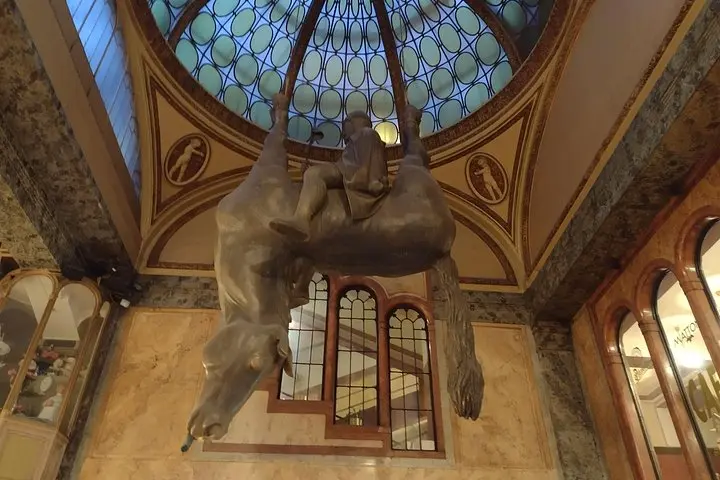
Culturally the area is direct: memorial plaques, sculpted figures, and cafés where locals argue politics over coffee. Geology is a minor player here — the Vltava’s floodplain and Prague’s bedrock mean abrupt slopes and cellar-lined streets rather than long climbs — but the built environment frames every view.
Practical guidance: wear supportive shoes for cobbles and curbs, carry a small umbrella and water, and budget time for the Operation Anthropoid memorial stop where entry is included. The guide-sized groups keep conversation audible but intimate; this is a walking tour built for curiosity, not pace. Finish at the Naplavka terraces and let the river decide whether you keep moving or stay put.