THE ADVENTURE COLLECTIVE® · Independent discovery and booking for outdoor travel

Step off the Coney Island boardwalk and into a cool world of sharks, sea otters and a 4D theater. This guide covers the exhibits, transit tips, hours and how to make the most of a 1–2 hour visit to the New York Aquarium.
Step off the Coney Island boardwalk and into a cool world of sharks, sea otters and a 4D theater. This guide covers the exhibits, transit tips, hours and how to make the most of a 1–2 hour visit to the New York Aquarium.
On a brisk morning the boardwalk smells of salt and fried dough; gulls quarrel over a discarded napkin while the ocean, only a few steps away, dares you to look deeper. Tucked along the southern edge of Coney Island, the New York Aquarium turns that dare into an invitation. Inside, the lighting shifts from the bright Atlantic glare to cool blue galleries where sand tiger sharks glide like hulks of shadow, octopus arms probe the glass, and sea otters perform a practiced kind of mischief.
Verified experiences and guided adventures in the surrounding area.
Operated by Wildlife Conservation Society · Brooklyn, New York
On a brisk morning the boardwalk smells of salt and fried dough; gulls quarrel over a discarded napkin while the ocean, only a few steps away, dares you to look deeper. Tucked along the southern edge of Coney Island, the New York Aquarium turns that dare into an invitation. Inside, the lighting shifts from the bright Atlantic glare to cool blue galleries where sand tiger sharks glide like hulks of shadow, octopus arms probe the glass, and sea otters perform a practiced kind of mischief.
The Aquarium’s site has been part of New York’s marine story for more than a century, moving to Coney Island in 1957 to find room for growing displays and public programs. The mid-century concrete of the original buildings meets recent renovations that prioritize larger tanks, improved water systems and educational exhibits. Geologically this corner of Brooklyn is defined by the rise and fall of the coastline; the exhibit design leans into that — the ocean feels present, its currents hinted at in every wave-tanked display.
Culturally, a visit is as much about Brooklyn’s public, working waterfront as it is about animals. Sea lion shows and penguin feedings still draw families and school groups, while the 4D Theater adds a sensory jolt for younger visitors. Practical notes are clear: the Aquarium accepts mobile and paper tickets, includes entry to the 4D Theater, and offers wheelchair and stroller access. Last entry is one hour prior to closing; on Wednesdays after 3pm admission is pay-what-you-wish.
For a satisfying visit, plan 60–120 minutes but allow longer if you linger at the shark corridor or join a scheduled feed. Arrive early to avoid mid-afternoon crowds and to catch animal programs that run on strict schedules. The Q, F, D, and B trains all stop at Coney Island–Stillwell Avenue; leave the car at home if possible (parking is not included with admission and can be scarce on summer weekends).
Bring comfortable shoes for walking between galleries and out to the boardwalk, and a light layer — ocean breezes can be sharp even on warm days. Mobile tickets are convenient, but present your voucher at the gate: the barcode is single-use. Photographers will find dramatic color contrasts in the jellyfish and kelp tank; wide lenses work best for the large tanks.
A trip to the New York Aquarium pairs efficiently with a walk along the boardwalk or an afternoon at Luna Park. It’s an urban marine experience: close to the surf, public and practical — a place where the city and the sea meet and the animals inside keep a watchful, curious eye on the people outside.
Most visitors spend 60–120 minutes; allow more time to catch animal feedings, sea lion shows, or the 4D Theater.
Tickets are mobile or paper and valid on the date selected; present your voucher at entry — last entry is one hour prior to closing.
No — this voucher is not valid for parking; nearby street and lot parking is available but can be limited on busy days.
Yes — the Aquarium is stroller- and wheelchair-accessible, and service animals are permitted.
Children 2 and under are free and do not require a ticket.
Exhibit availability can change due to weather, maintenance, or animal-related needs; check the Aquarium’s website or ask at the gate for current closures.
Wildlife Conservation Society operates guided outdoor trips and adventures with an emphasis on safety, stewardship, and memorable experiences.
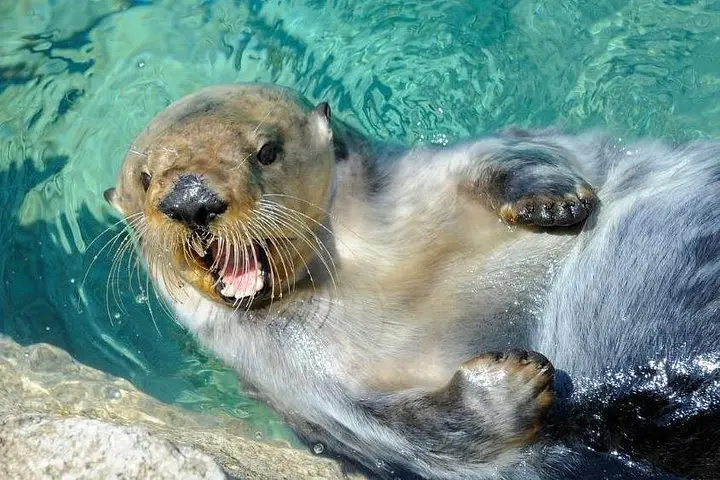
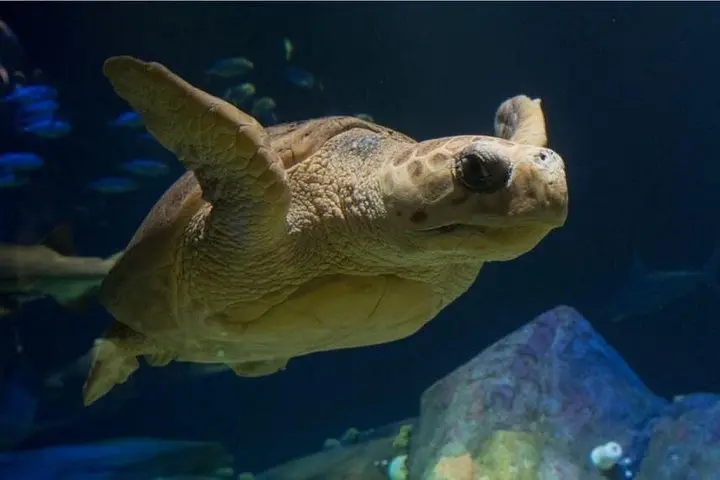
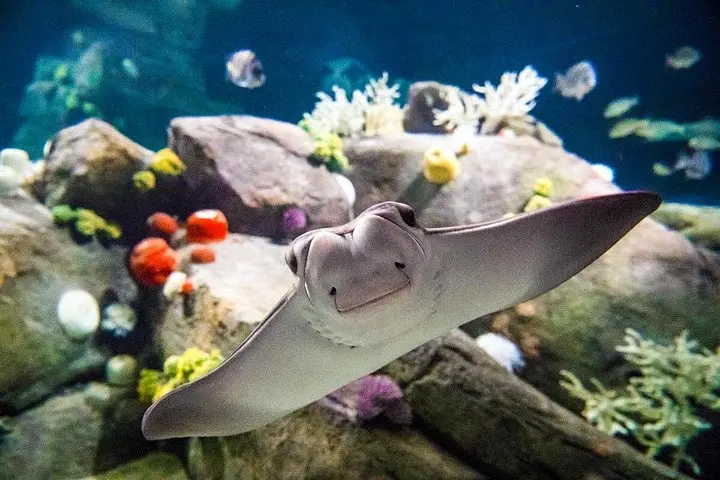
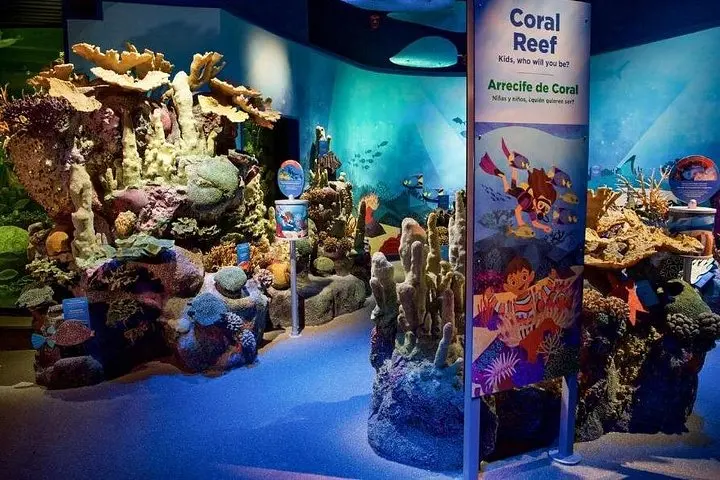
On a brisk morning the boardwalk smells of salt and fried dough; gulls quarrel over a discarded napkin while the ocean, only a few steps away, dares you to look deeper. Tucked along the southern edge of Coney Island, the New York Aquarium turns that dare into an invitation. Inside, the lighting shifts from the bright Atlantic glare to cool blue galleries where sand tiger sharks glide like hulks of shadow, octopus arms probe the glass, and sea otters perform a practiced kind of mischief.
On a brisk morning the boardwalk smells of salt and fried dough; gulls quarrel over a discarded napkin while the ocean, only a few steps away, dares you to look deeper. Tucked along the southern edge of Coney Island, the New York Aquarium turns that dare into an invitation. Inside, the lighting shifts from the bright Atlantic glare to cool blue galleries where sand tiger sharks glide like hulks of shadow, octopus arms probe the glass, and sea otters perform a practiced kind of mischief.
The Aquarium’s site has been part of New York’s marine story for more than a century, moving to Coney Island in 1957 to find room for growing displays and public programs. The mid-century concrete of the original buildings meets recent renovations that prioritize larger tanks, improved water systems and educational exhibits. Geologically this corner of Brooklyn is defined by the rise and fall of the coastline; the exhibit design leans into that — the ocean feels present, its currents hinted at in every wave-tanked display.
Culturally, a visit is as much about Brooklyn’s public, working waterfront as it is about animals. Sea lion shows and penguin feedings still draw families and school groups, while the 4D Theater adds a sensory jolt for younger visitors. Practical notes are clear: the Aquarium accepts mobile and paper tickets, includes entry to the 4D Theater, and offers wheelchair and stroller access. Last entry is one hour prior to closing; on Wednesdays after 3pm admission is pay-what-you-wish.
For a satisfying visit, plan 60–120 minutes but allow longer if you linger at the shark corridor or join a scheduled feed. Arrive early to avoid mid-afternoon crowds and to catch animal programs that run on strict schedules. The Q, F, D, and B trains all stop at Coney Island–Stillwell Avenue; leave the car at home if possible (parking is not included with admission and can be scarce on summer weekends).
Bring comfortable shoes for walking between galleries and out to the boardwalk, and a light layer — ocean breezes can be sharp even on warm days. Mobile tickets are convenient, but present your voucher at the gate: the barcode is single-use. Photographers will find dramatic color contrasts in the jellyfish and kelp tank; wide lenses work best for the large tanks.
A trip to the New York Aquarium pairs efficiently with a walk along the boardwalk or an afternoon at Luna Park. It’s an urban marine experience: close to the surf, public and practical — a place where the city and the sea meet and the animals inside keep a watchful, curious eye on the people outside.