THE ADVENTURE COLLECTIVE® · Independent discovery and booking for outdoor travel

Walk high on a canopy walkway, swim in crystal plunge pools beneath small waterfalls, and watch elephants and exotic birds on this full‑day trip from Nanyuki. Practical tips on timing, terrain, and what to pack help you plan a safe, eco‑minded visit.
Walk high on a canopy walkway, swim in crystal plunge pools beneath small waterfalls, and watch elephants and exotic birds on this full‑day trip from Nanyuki. Practical tips on timing, terrain, and what to pack help you plan a safe, eco‑minded visit.
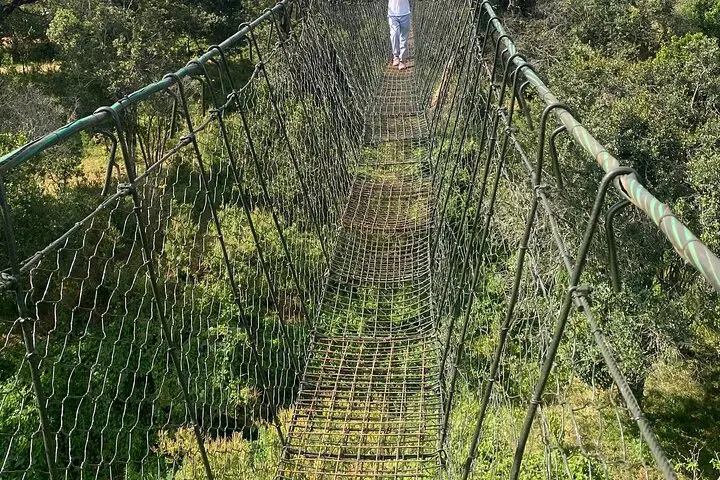
You step off the vehicle and the air changes—cooler, damp, threaded with pine and wild fig. The trail slopes into an ancient indigenous forest at the northern foothills of Mount Kenya where 200-year-old trunks rise overhead and a canopy walkway creaks underfoot, offering a high‑level view of forest life.
Verified experiences and guided adventures in the surrounding area.
Operated by LGM Travel · Nanyuki, Laikipia County
You step off the vehicle and the air changes—cooler, damp, threaded with pine and wild fig. The trail slopes into an ancient indigenous forest at the northern foothills of Mount Kenya where 200-year-old trunks rise overhead and a canopy walkway creaks underfoot, offering a high‑level view of forest life.
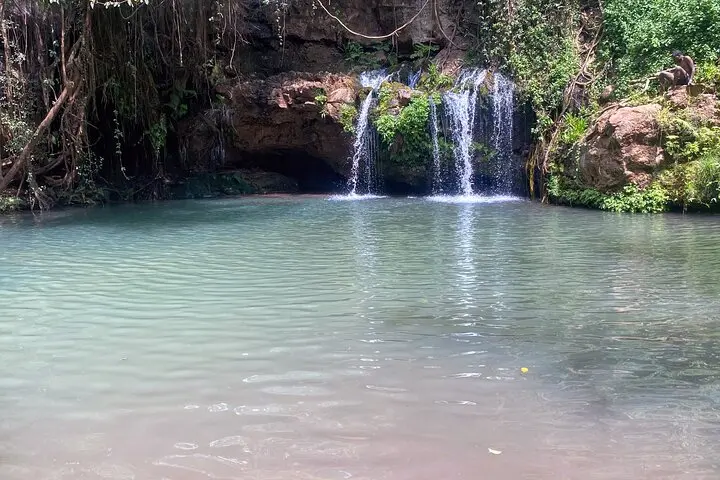
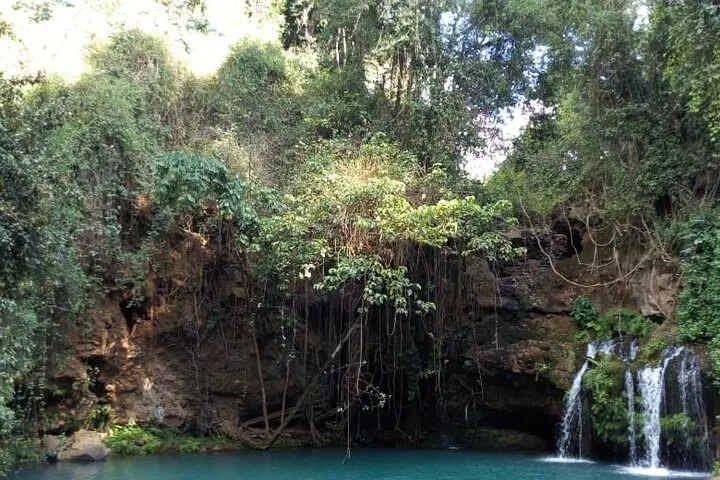
Ngare Ndare is both ecological corridor and local lifeline. Geologically the area sits on the volcanic flanks of Mount Kenya; groundwater has sculpted stream channels and formed a series of clear blue plunge pools beneath small waterfalls. Culturally, the forest sits inside Laikipia landscapes used by pastoralists and conservancies—local guides often share stories about elephants using these paths for generations.
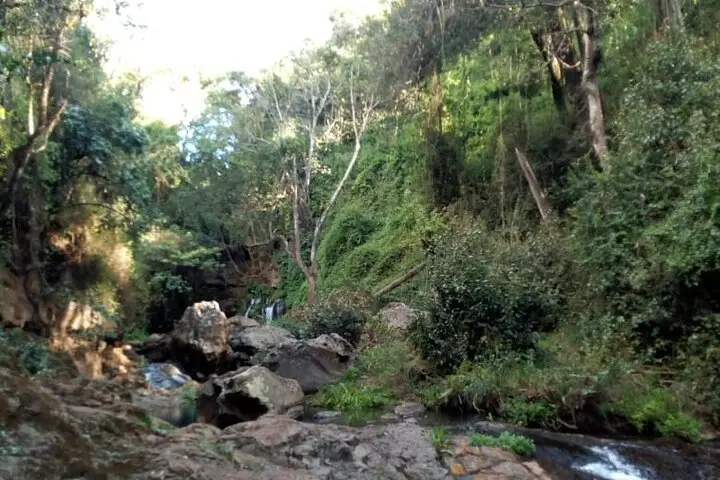
On the walk expect mixed terrain: compacted earth, exposed roots, occasional rocky steps and short climbs. Birds call from the canopy; vervet monkeys and elephants are possible sightings if you move quietly. The pools invite a refreshing swim, but currents and cold depths demand respect.
Practical guidance: allow a full day (8–12 hours) including 3-hour drives each way from Nairobi, bring at least 2 liters of water, sturdy trail shoes, and a light rain layer. Start early to avoid midday heat and to catch wildlife activity; follow your guide’s local knowledge about elephant routes and safe swimming spots. Cameras with a zoom lens are useful; phones work but keep them dry.
Ngare Ndare rewards measured curiosity—walk with attention, leave nothing behind, and the forest will give you both quiet reflection and kinetic encounters with Kenya’s wild side.
Expect roughly 3 hours each way from Nairobi to Nanyuki/Ngare Ndare depending on traffic and road conditions.
Yes—swimming in the clear plunge pools is common, but follow guide advice about safe spots and currents.
Elephants use the forest corridors and sightings are possible, though not guaranteed; guides know recent activity and safe viewing distances.
Not recommended for pregnant travelers; children can join if physically able and supervised—check operator age policies and fitness requirements.
LGM Travel operates guided outdoor trips and adventures with an emphasis on safety, stewardship, and memorable experiences.
You step off the vehicle and the air changes—cooler, damp, threaded with pine and wild fig. The trail slopes into an ancient indigenous forest at the northern foothills of Mount Kenya where 200-year-old trunks rise overhead and a canopy walkway creaks underfoot, offering a high‑level view of forest life.
You step off the vehicle and the air changes—cooler, damp, threaded with pine and wild fig. The trail slopes into an ancient indigenous forest at the northern foothills of Mount Kenya where 200-year-old trunks rise overhead and a canopy walkway creaks underfoot, offering a high‑level view of forest life.
Ngare Ndare is both ecological corridor and local lifeline. Geologically the area sits on the volcanic flanks of Mount Kenya; groundwater has sculpted stream channels and formed a series of clear blue plunge pools beneath small waterfalls. Culturally, the forest sits inside Laikipia landscapes used by pastoralists and conservancies—local guides often share stories about elephants using these paths for generations.
On the walk expect mixed terrain: compacted earth, exposed roots, occasional rocky steps and short climbs. Birds call from the canopy; vervet monkeys and elephants are possible sightings if you move quietly. The pools invite a refreshing swim, but currents and cold depths demand respect.
Practical guidance: allow a full day (8–12 hours) including 3-hour drives each way from Nairobi, bring at least 2 liters of water, sturdy trail shoes, and a light rain layer. Start early to avoid midday heat and to catch wildlife activity; follow your guide’s local knowledge about elephant routes and safe swimming spots. Cameras with a zoom lens are useful; phones work but keep them dry.
Ngare Ndare rewards measured curiosity—walk with attention, leave nothing behind, and the forest will give you both quiet reflection and kinetic encounters with Kenya’s wild side.