THE ADVENTURE COLLECTIVE® · Independent discovery and booking for outdoor travel

A brisk half-day ridge walk over Ngong’s seven hills that pairs Nairobi skyline views with Rift Valley panoramas. Expect 12 km of exposed, wind-swept trail, windmills at the trailhead, and a guided, private transfer from the city.
A brisk half-day ridge walk over Ngong’s seven hills that pairs Nairobi skyline views with Rift Valley panoramas. Expect 12 km of exposed, wind-swept trail, windmills at the trailhead, and a guided, private transfer from the city.
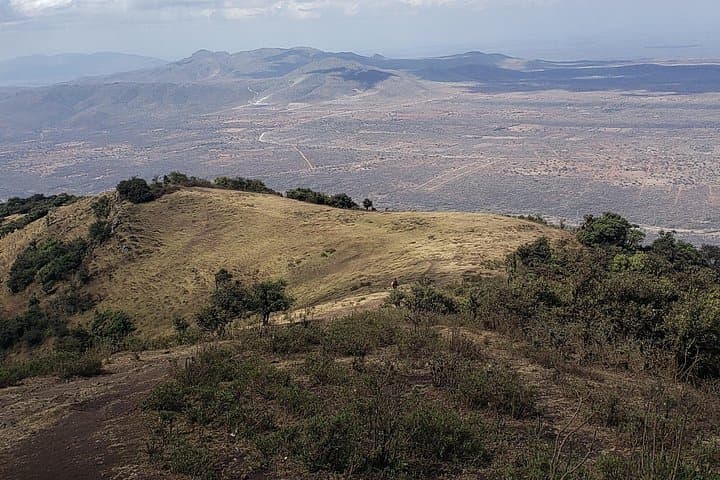
The van leaves Nairobi while the city’s heat is still assembling itself—by the time the skyline fades behind suburbs, the air sharpens and a fringe of grassland rises into view. You step out where the wind has already taken up its post: a thin, insistent force that tugs at sleeves and pushes walkers toward the ridge. From the first crest the landscape opens—Nairobi crouched to the east, and the Rift Valley yawning to the west—an honest, wide-angle panorama that rewards the steady climb.
Verified experiences and guided adventures in the surrounding area.
Operated by Ace Ecotours · Ngong, Kajiado County
The van leaves Nairobi while the city’s heat is still assembling itself—by the time the skyline fades behind suburbs, the air sharpens and a fringe of grassland rises into view. You step out where the wind has already taken up its post: a thin, insistent force that tugs at sleeves and pushes walkers toward the ridge. From the first crest the landscape opens—Nairobi crouched to the east, and the Rift Valley yawning to the west—an honest, wide-angle panorama that rewards the steady climb.
The Ngong Hills are a sequence of seven grassy ridges that run along the western edge of the Nairobi escarpment. Geologically, they are a product of the East African Rift’s long work: uplifted basalt and volcanic soils carved into rolling summits that catch wind and weather. The area carries human stories too—Maasai and Kikuyu families used these slopes for grazing and passage long before Nairobi’s sprawl arrived, and the wind farms near the trailhead are a modern footnote to the hills’ long history of harnessing breezes.
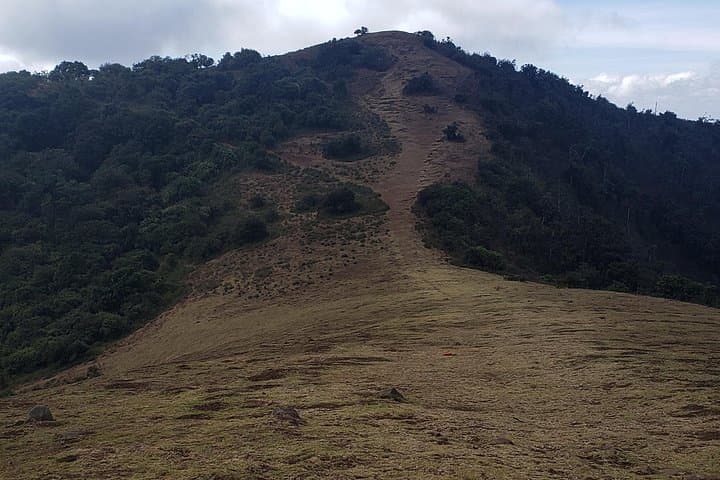
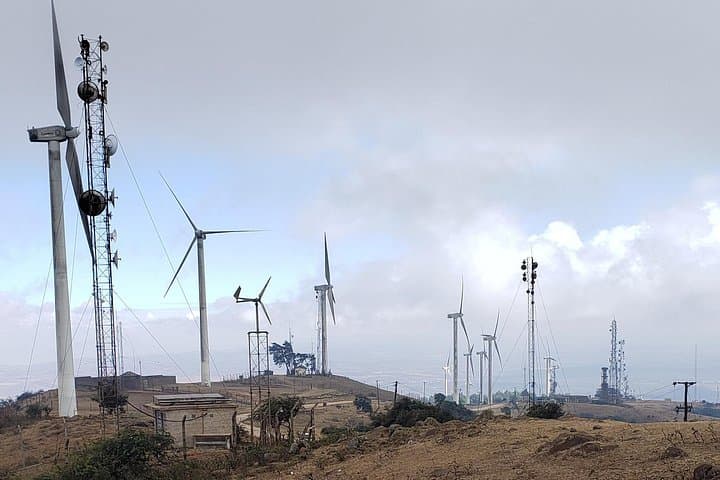
On a five-hour, roughly 12 km out-and-back guided route, the trail traverses open tussock and compacted earth, with intermittent cow paths and occasional rocks. At the start you pass the KenGen wind turbines—white arms turning with deliberate patience—and then follow a ridge that dips and rises across each of the seven hills. The highest point reaches about 2,460 m (8,042 ft), so the views have altitude’s thin clarity; on a clear day you can pick out the Ngong town market and the highlands beyond.
Wildlife here is humble but present: small antelope like dik-dik, warthog tracks, and a sky full of raptors and honeyeaters. Local guides often point out medicinal plants and seasonal wildflowers, and they know where to slow for a flock of larks or a grazing herd of goats.
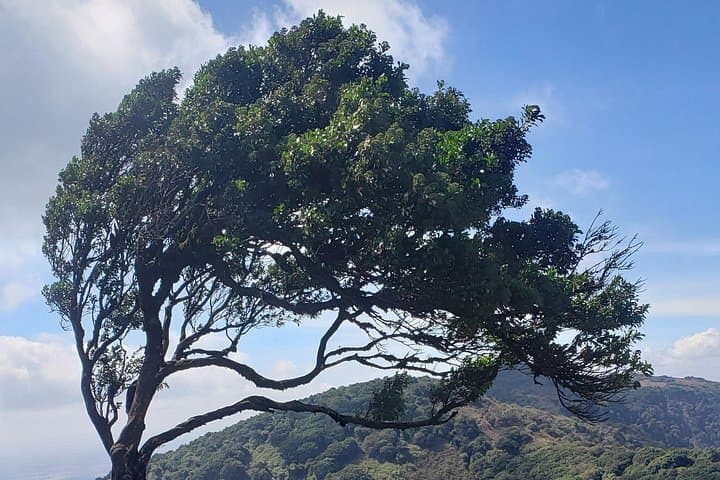
Practicalities matter here. The trail is exposed—wind is a constant companion—so layer up and bring a windproof jacket. Footwear should have a firm grip; sections can be slippery after rains. Carry at least 1.5–2 liters of water, snacks, and sun protection. The route’s length and steady undulation make it a moderate hike: expect firm cardio and uneven footing rather than technical scrambling.
Guides provide context and private transport; pickups from Nairobi hotels take around an hour each way. Plan for mornings to avoid abrupt afternoon winds and the short rains (April/May and October–December). After the walk many tours will drop you at a local restaurant for a warm meal that feels earned—the sort of finish that makes a half day feel like a small expedition.
If you want views without the traffic, ask to start early. If you want local color, linger at the lower trailheads to meet vendors and farmers. The hills push you along with wind and view; they’ll reward steady footsteps with a rare sense of open horizon so close to the city.
The guided route covers roughly 12 km and takes about 5 hours including transfers; it’s graded moderate with steady ups and downs but no technical climbing.
Yes—private tours include hotel pickup and drop-off; expect about a one-hour drive to the trailhead from central Nairobi.
A Ngong Hills Reserve entrance fee is typically included with organized tours; independent visitors should expect to pay a small gate fee.
The highest point is around 2,460 m—most people do fine, but if you have respiratory or heart conditions consult a doctor and pace yourself.
Families and fit older adults can usually manage the route, but the tour notes advise moderate fitness and it’s not recommended for pregnant travelers or people with serious back/spinal issues.
Expect birds of prey, small antelope like dik-dik, and occasional warthog or grazing livestock; sightings vary by season and time of day.
Ace Ecotours operates guided outdoor trips and adventures with an emphasis on safety, stewardship, and memorable experiences.
The van leaves Nairobi while the city’s heat is still assembling itself—by the time the skyline fades behind suburbs, the air sharpens and a fringe of grassland rises into view. You step out where the wind has already taken up its post: a thin, insistent force that tugs at sleeves and pushes walkers toward the ridge. From the first crest the landscape opens—Nairobi crouched to the east, and the Rift Valley yawning to the west—an honest, wide-angle panorama that rewards the steady climb.
The van leaves Nairobi while the city’s heat is still assembling itself—by the time the skyline fades behind suburbs, the air sharpens and a fringe of grassland rises into view. You step out where the wind has already taken up its post: a thin, insistent force that tugs at sleeves and pushes walkers toward the ridge. From the first crest the landscape opens—Nairobi crouched to the east, and the Rift Valley yawning to the west—an honest, wide-angle panorama that rewards the steady climb.
The Ngong Hills are a sequence of seven grassy ridges that run along the western edge of the Nairobi escarpment. Geologically, they are a product of the East African Rift’s long work: uplifted basalt and volcanic soils carved into rolling summits that catch wind and weather. The area carries human stories too—Maasai and Kikuyu families used these slopes for grazing and passage long before Nairobi’s sprawl arrived, and the wind farms near the trailhead are a modern footnote to the hills’ long history of harnessing breezes.
On a five-hour, roughly 12 km out-and-back guided route, the trail traverses open tussock and compacted earth, with intermittent cow paths and occasional rocks. At the start you pass the KenGen wind turbines—white arms turning with deliberate patience—and then follow a ridge that dips and rises across each of the seven hills. The highest point reaches about 2,460 m (8,042 ft), so the views have altitude’s thin clarity; on a clear day you can pick out the Ngong town market and the highlands beyond.
Wildlife here is humble but present: small antelope like dik-dik, warthog tracks, and a sky full of raptors and honeyeaters. Local guides often point out medicinal plants and seasonal wildflowers, and they know where to slow for a flock of larks or a grazing herd of goats.
Practicalities matter here. The trail is exposed—wind is a constant companion—so layer up and bring a windproof jacket. Footwear should have a firm grip; sections can be slippery after rains. Carry at least 1.5–2 liters of water, snacks, and sun protection. The route’s length and steady undulation make it a moderate hike: expect firm cardio and uneven footing rather than technical scrambling.
Guides provide context and private transport; pickups from Nairobi hotels take around an hour each way. Plan for mornings to avoid abrupt afternoon winds and the short rains (April/May and October–December). After the walk many tours will drop you at a local restaurant for a warm meal that feels earned—the sort of finish that makes a half day feel like a small expedition.
If you want views without the traffic, ask to start early. If you want local color, linger at the lower trailheads to meet vendors and farmers. The hills push you along with wind and view; they’ll reward steady footsteps with a rare sense of open horizon so close to the city.