THE ADVENTURE COLLECTIVE® · Independent discovery and booking for outdoor travel

Traverse the Ngong Hills ridgeline for sweeping Rift Valley views and Nairobi panoramas. This private day hike blends geology, local history, and wildlife sightings across 4–5 hours on trail.
Traverse the Ngong Hills ridgeline for sweeping Rift Valley views and Nairobi panoramas. This private day hike blends geology, local history, and wildlife sightings across 4–5 hours on trail.
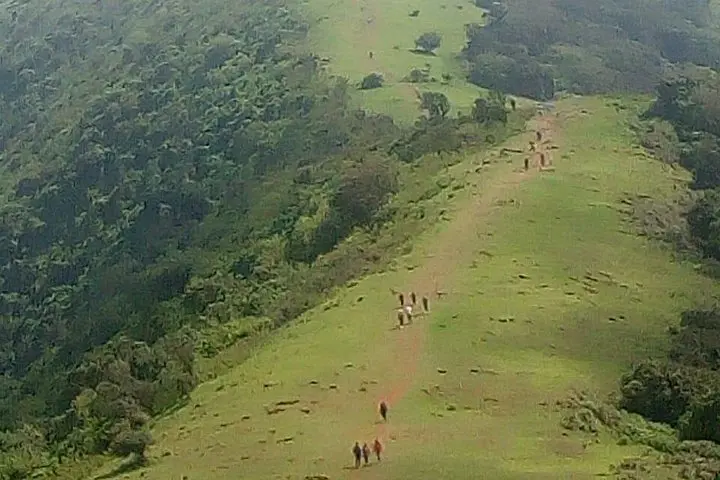
Dawn breaks over a serrated ridge and the wind arrives first, sweeping across grass and scrub and daring you up the trail. From the northern foot the path climbs through villages and grazing land, then narrows as it enters the Ngong Hills Forest Reserve and the city falls away to the east.
Verified experiences and guided adventures in the surrounding area.
Operated by Bush Pumba Safaris · Ngong, Kajiado County
Dawn breaks over a serrated ridge and the wind arrives first, sweeping across grass and scrub and daring you up the trail. From the northern foot the path climbs through villages and grazing land, then narrows as it enters the Ngong Hills Forest Reserve and the city falls away to the east.
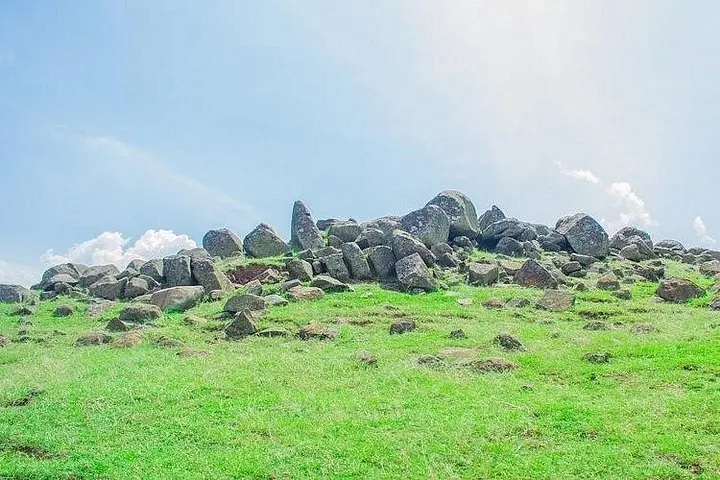
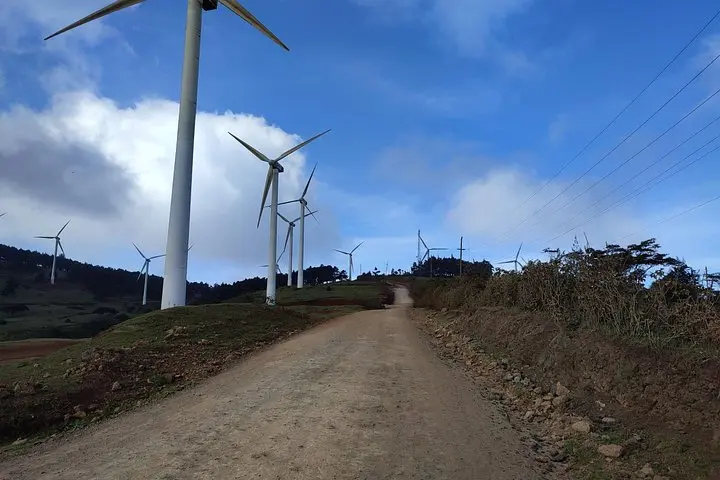
These hills form the western edge of Nairobi and spill into the Great Rift Valley. Geologically they are a wind-eroded ridge of volcanic soils and escarpment remnants; culturally they sit on land long used by Maasai and named in colonial-era works—most famously appearing in Karen Blixen’s Out of Africa. Radio masts and a small wind farm punctuate the skyline; from high points you get unbroken views of the Rift Valley trench to the west and Nairobi’s skyline to the east.
Expect a ridge traverse of roughly 8–10 km with intermittent steep sections and about 400–600 m total ascent depending on where you start and end. Trails alternate grassy benchland and thin singletrack; footing can be loose on descents. Wildlife is part of the day—small herds and birdlife are common, and on rare days larger grazers like buffalo appear in higher brush.
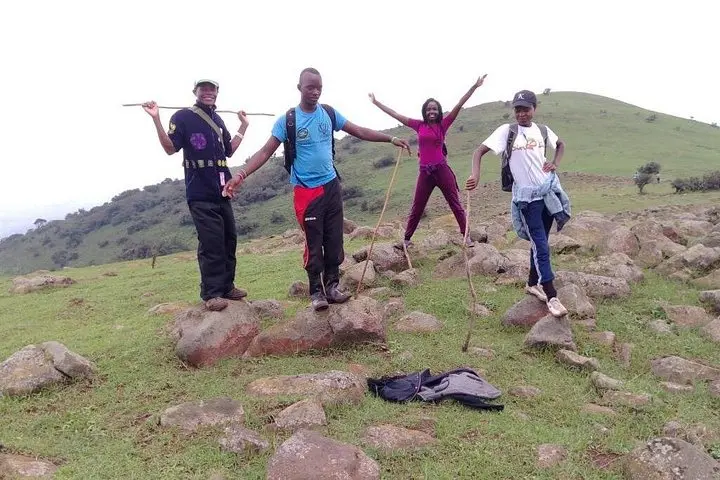
Practical tips: start early for calmer winds and clearer views, carry at least 1–2 liters of water, and wear sturdy shoes with good traction. Layer for sudden temperature shifts and bring sun protection—the ridgeline offers little shelter. If you book a private tour, expect a 1.5-hour transfer from Nairobi and a full-day outing of about seven hours including transport.
The traverse typically covers about 8–10 km on foot, taking 4–5 hours depending on pace and stops.
It’s graded moderate: beginners with reasonable fitness can manage it, but expect some steep and exposed sections.
Yes—private transportation to and from Ngong Hills is commonly included and the drive takes about 1–1.5 hours each way.
You’ll commonly see birdlife and small mammals; larger grazers such as buffalo can appear in the higher bush on lucky days—keep a respectful distance.
Bush Pumba Safaris operates guided outdoor trips and adventures with an emphasis on safety, stewardship, and memorable experiences.
Dawn breaks over a serrated ridge and the wind arrives first, sweeping across grass and scrub and daring you up the trail. From the northern foot the path climbs through villages and grazing land, then narrows as it enters the Ngong Hills Forest Reserve and the city falls away to the east.
Dawn breaks over a serrated ridge and the wind arrives first, sweeping across grass and scrub and daring you up the trail. From the northern foot the path climbs through villages and grazing land, then narrows as it enters the Ngong Hills Forest Reserve and the city falls away to the east.
These hills form the western edge of Nairobi and spill into the Great Rift Valley. Geologically they are a wind-eroded ridge of volcanic soils and escarpment remnants; culturally they sit on land long used by Maasai and named in colonial-era works—most famously appearing in Karen Blixen’s Out of Africa. Radio masts and a small wind farm punctuate the skyline; from high points you get unbroken views of the Rift Valley trench to the west and Nairobi’s skyline to the east.
Expect a ridge traverse of roughly 8–10 km with intermittent steep sections and about 400–600 m total ascent depending on where you start and end. Trails alternate grassy benchland and thin singletrack; footing can be loose on descents. Wildlife is part of the day—small herds and birdlife are common, and on rare days larger grazers like buffalo appear in higher brush.
Practical tips: start early for calmer winds and clearer views, carry at least 1–2 liters of water, and wear sturdy shoes with good traction. Layer for sudden temperature shifts and bring sun protection—the ridgeline offers little shelter. If you book a private tour, expect a 1.5-hour transfer from Nairobi and a full-day outing of about seven hours including transport.