THE ADVENTURE COLLECTIVE® · Independent discovery and booking for outdoor travel

Ride the Ngong Ping 360 cable car from Tung Chung to the Big Buddha and watch urban Hong Kong fall away into Lantau’s ridges and sea. This 45-minute experience pairs sweeping views with easy access to Po Lin Monastery and local village highlights.
Ride the Ngong Ping 360 cable car from Tung Chung to the Big Buddha and watch urban Hong Kong fall away into Lantau’s ridges and sea. This 45-minute experience pairs sweeping views with easy access to Po Lin Monastery and local village highlights.
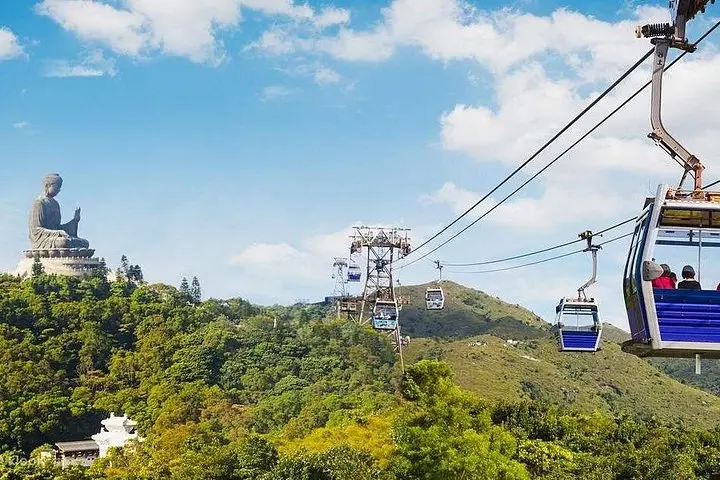
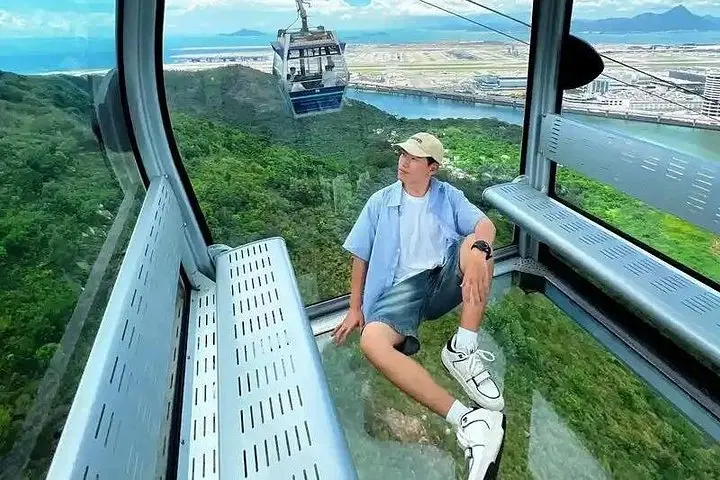
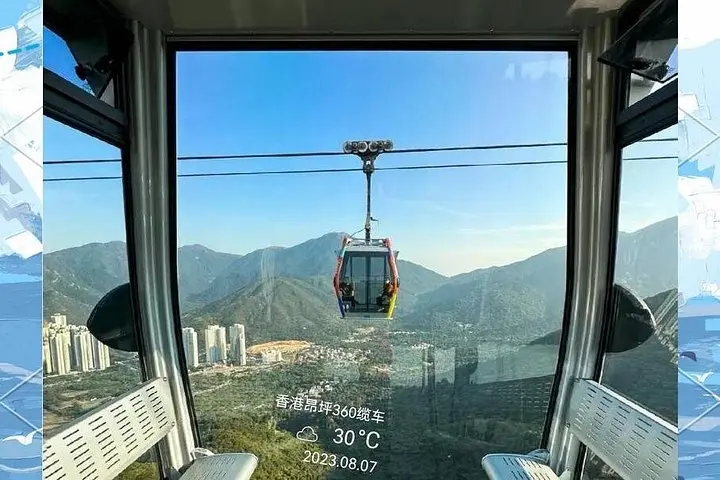
You step into a glossy cabin and the island exhales beneath you — the South China Sea a streak of steel, ridgelines folding like pages, and the Big Buddha patiently waiting on the plateau ahead.
Verified experiences and guided adventures in the surrounding area.
Operated by China Pleasure Tour Co,. Ltd. · Tung Chung, Hong Kong
You step into a glossy cabin and the island exhales beneath you — the South China Sea a streak of steel, ridgelines folding like pages, and the Big Buddha patiently waiting on the plateau ahead.
The Ngong Ping 360 ride climbs from Tung Chung to Ngong Ping village in about 25–30 minutes one way (45 minutes round trip including loading). Opened in 2006, the cable car was built to link Hong Kong’s urban edge with Po Lin Monastery and the 1993 Tian Tan Buddha. Geologically Lantau is a mix of rugged granitic and volcanic outcrops whose slopes funnel rain and wind into the sea; the cabins give you an uninterrupted look at that transition from city reclamation to raw island terrain.
Culturally the arrival feels deliberate: a pedestrian village, monastery courtyards, incense and vegetarian eateries where pilgrims and tourists mingle. Local history is visible in Tai O fishing boats and the monastery’s halls; the ride itself is part of modern Lantau’s infrastructure for both residents and visitors.
Practicalities matter here. Expect variable visibility — mornings and late afternoons are often clearest — and leave room in your schedule for queues, the monastery climb, and the Wisdom Path. The system is wheelchair accessible and offers glass-bottom cabins for a more vertiginous view. Bring sun protection, a light layer against wind, and a charged camera; weather can change quickly and the cabins swing gently if it’s breezy. Combine the trip with a short hike or a Tai O visit for a full-day exploration of Lantau’s coastal and cultural edge.
The cabin travels about 25–30 minutes one way; allow 45 minutes total including boarding and disembarking time.
Yes — stations and cabins are wheelchair accessible, and assistance is available; check operator details when booking.
Yes — the cable car delivers you to Ngong Ping Village within easy walking distance of the monastery and the Tian Tan Buddha steps.
Operations may close for high winds or severe weather; check forecasts and the operator’s notices — refunds or rescheduling follow the provider’s cancellation policy.
China Pleasure Tour Co,. Ltd. operates guided outdoor trips and adventures with an emphasis on safety, stewardship, and memorable experiences.
You step into a glossy cabin and the island exhales beneath you — the South China Sea a streak of steel, ridgelines folding like pages, and the Big Buddha patiently waiting on the plateau ahead.
You step into a glossy cabin and the island exhales beneath you — the South China Sea a streak of steel, ridgelines folding like pages, and the Big Buddha patiently waiting on the plateau ahead.
The Ngong Ping 360 ride climbs from Tung Chung to Ngong Ping village in about 25–30 minutes one way (45 minutes round trip including loading). Opened in 2006, the cable car was built to link Hong Kong’s urban edge with Po Lin Monastery and the 1993 Tian Tan Buddha. Geologically Lantau is a mix of rugged granitic and volcanic outcrops whose slopes funnel rain and wind into the sea; the cabins give you an uninterrupted look at that transition from city reclamation to raw island terrain.
Culturally the arrival feels deliberate: a pedestrian village, monastery courtyards, incense and vegetarian eateries where pilgrims and tourists mingle. Local history is visible in Tai O fishing boats and the monastery’s halls; the ride itself is part of modern Lantau’s infrastructure for both residents and visitors.
Practicalities matter here. Expect variable visibility — mornings and late afternoons are often clearest — and leave room in your schedule for queues, the monastery climb, and the Wisdom Path. The system is wheelchair accessible and offers glass-bottom cabins for a more vertiginous view. Bring sun protection, a light layer against wind, and a charged camera; weather can change quickly and the cabins swing gently if it’s breezy. Combine the trip with a short hike or a Tai O visit for a full-day exploration of Lantau’s coastal and cultural edge.