THE ADVENTURE COLLECTIVE® · Independent discovery and booking for outdoor travel

Spend a single, wildlife-rich day inside Ngorongoro Crater: a collapsed volcanic caldera that concentrates lions, rhinos, elephants and birds into a dramatic natural amphitheater. Read on for practical tips, what you'll see, and how to prepare for the drive from Arusha.
Spend a single, wildlife-rich day inside Ngorongoro Crater: a collapsed volcanic caldera that concentrates lions, rhinos, elephants and birds into a dramatic natural amphitheater. Read on for practical tips, what you'll see, and how to prepare for the drive from Arusha.
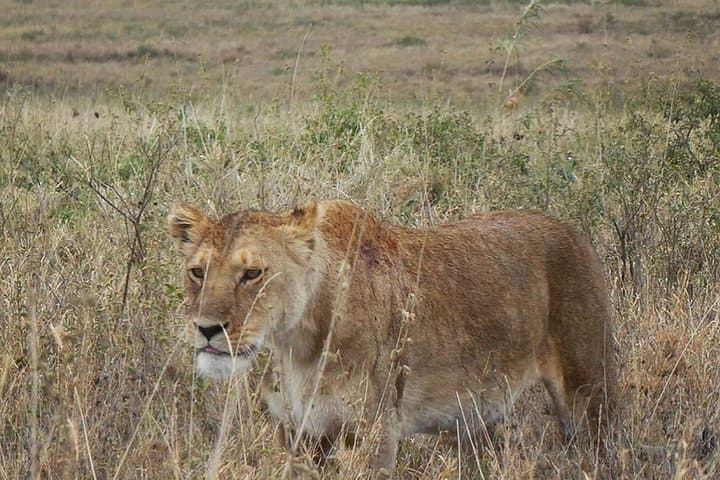
Dawn breaks across the rim and a hush drops into the Ngorongoro Bowl—light slides down 2,000-foot walls and pools on a plain where lions patrol and flamingos pick at a soda lake.
Verified experiences and guided adventures in the surrounding area.
Operated by Kilinge Adventures · Karatu, Arusha Region
Dawn breaks across the rim and a hush drops into the Ngorongoro Bowl—light slides down 2,000-foot walls and pools on a plain where lions patrol and flamingos pick at a soda lake.
The crater is an immense volcanic caldera formed when a giant volcano collapsed 2–3 million years ago; its steep walls now trap an ecosystem that supports unusually dense wildlife. Maasai communities live on the outer slopes and their cattle graze seasonal grasslands, a cultural presence you'll notice from viewpoints on the rim.
On a typical 1-day safari you rise early in Arusha or Karatu, climb into a 4x4 and head west. Your guide navigates crater tracks, easing you toward watering holes and Lerai Forest, where elephants shelter beneath giant fever trees. The day is equal parts wildlife inventory and geology lesson—the crater’s rim acts like a natural preserve, keeping plains species and predators together.
Practical matters: tours usually include a professional guide, safari cook, vehicle transport and lunch; bring at least 3 liters of water, binoculars, sun protection and a warm layer for cool mornings. Start at first light when predators hunt and birds are most active; midday light flattens visibility.
Respect distances—follow your guide, stay in the vehicle unless instructed otherwise, and keep noise low. By late afternoon you’ll climb to the rim with light falling over the crater lake and a final chance to photograph a landscape that both holds and tests the animals within it.
Expect about 3–4 hours each way depending on traffic and road conditions; most operators plan an early departure and late afternoon return.
Policies vary by operator—confirm whether Ngorongoro entry fees and conservation charges are included in your booking before you go.
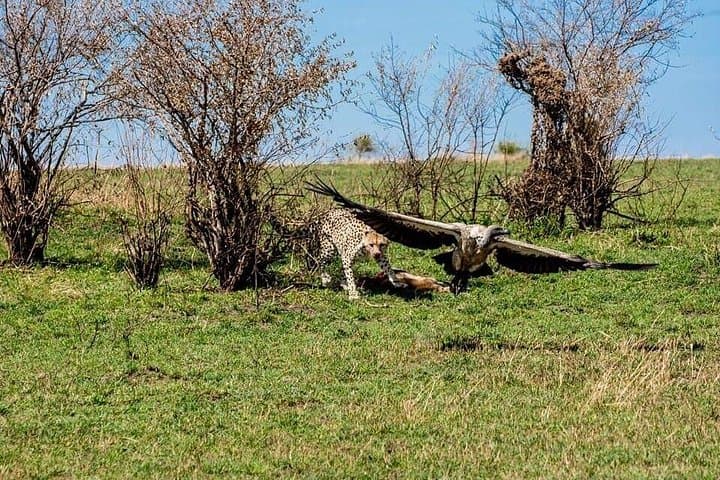
Yes, Ngorongoro has the density to see most of the Big Five on a good day, but sightings depend on luck and season—rhinos are present but elusive.
Many vehicles are accessible and infants can travel, but check specific accessibility options; pregnant travelers or those with serious heart conditions are generally advised not to participate.
Kilinge Adventures operates guided outdoor trips and adventures with an emphasis on safety, stewardship, and memorable experiences.
Dawn breaks across the rim and a hush drops into the Ngorongoro Bowl—light slides down 2,000-foot walls and pools on a plain where lions patrol and flamingos pick at a soda lake.
Dawn breaks across the rim and a hush drops into the Ngorongoro Bowl—light slides down 2,000-foot walls and pools on a plain where lions patrol and flamingos pick at a soda lake.
The crater is an immense volcanic caldera formed when a giant volcano collapsed 2–3 million years ago; its steep walls now trap an ecosystem that supports unusually dense wildlife. Maasai communities live on the outer slopes and their cattle graze seasonal grasslands, a cultural presence you'll notice from viewpoints on the rim.
On a typical 1-day safari you rise early in Arusha or Karatu, climb into a 4x4 and head west. Your guide navigates crater tracks, easing you toward watering holes and Lerai Forest, where elephants shelter beneath giant fever trees. The day is equal parts wildlife inventory and geology lesson—the crater’s rim acts like a natural preserve, keeping plains species and predators together.
Practical matters: tours usually include a professional guide, safari cook, vehicle transport and lunch; bring at least 3 liters of water, binoculars, sun protection and a warm layer for cool mornings. Start at first light when predators hunt and birds are most active; midday light flattens visibility.
Respect distances—follow your guide, stay in the vehicle unless instructed otherwise, and keep noise low. By late afternoon you’ll climb to the rim with light falling over the crater lake and a final chance to photograph a landscape that both holds and tests the animals within it.