THE ADVENTURE COLLECTIVE® · Independent discovery and booking for outdoor travel

A full-day game drive into Ngorongoro Crater delivers concentrated wildlife viewing in a single, dramatic caldera. Expect close encounters with large herds, rich birdlife, and Maasai grazing traditions framed by volcanic rim views.
A full-day game drive into Ngorongoro Crater delivers concentrated wildlife viewing in a single, dramatic caldera. Expect close encounters with large herds, rich birdlife, and Maasai grazing traditions framed by volcanic rim views.
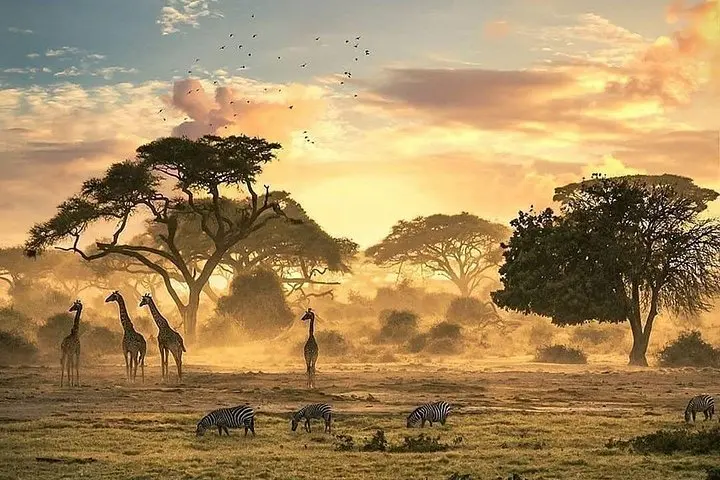
You arrive before dawn on a high rim road where mist peels away from grasslands and the crater yawns below like a living map. The first light finds grazing wildebeest and zebra on the flat floor; birds wheel and call while distant lion voices puncture the air. The drive from Arusha—roughly 3–3.5 hours and 173 km—unfolds through agricultural foothills into volcanic highlands, and by mid-morning the crater’s bowl opens: a contained world where animals move with visible ease.
Verified experiences and guided adventures in the surrounding area.
Operated by Moorland Safari and Trekking · Arusha, Arusha Region
You arrive before dawn on a high rim road where mist peels away from grasslands and the crater yawns below like a living map. The first light finds grazing wildebeest and zebra on the flat floor; birds wheel and call while distant lion voices puncture the air. The drive from Arusha—roughly 3–3.5 hours and 173 km—unfolds through agricultural foothills into volcanic highlands, and by mid-morning the crater’s bowl opens: a contained world where animals move with visible ease.
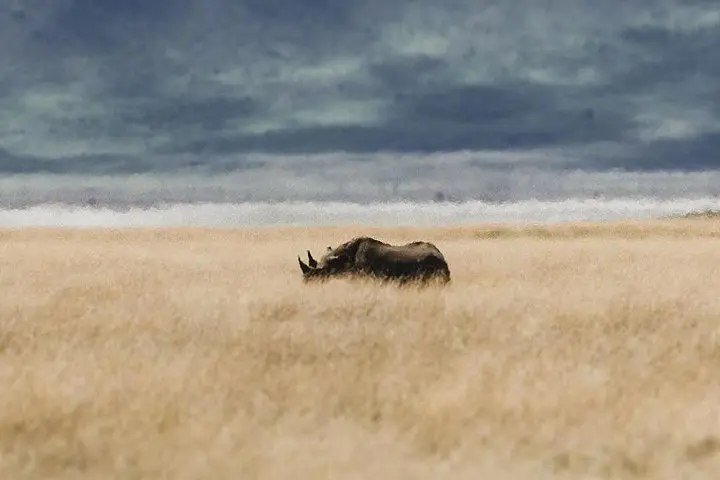
Geologically the Ngorongoro caldera is the remnant of a collapsed volcano formed around 2–3 million years ago, a 19 km diameter basin with a depth of about 600 m. Culturally the area is shared: Maasai families graze livestock in the conservation zone, a practice that has shaped both landscape and wildlife patterns for generations. The crater supports dense populations—elephants, rare black rhino sightings, prides of lions, and thousands of ungulates—as well as some 500 bird species, making every game drive variable and immediate.
Practically, a day trip delivers concentrated viewing in a few hours on mostly compacted dirt roads; the crater floor sits near 1,800–2,000 m while the rim reaches about 2,300 m. Expect open-sided vehicle access and a boxed lunch; conservation rules limit off-road wandering, so animals are encountered from designated tracks. Bring binoculars and a zoom lens, start early for cooler light and active predators, dress in layers for rapid temperature swings, and plan for a long round-trip drive back to Arusha by evening. The crater rewards patience: here the landscape feels like an audience, and the animals perform on its stage.
Expect roughly 3–3.5 hours (about 173 km) each way depending on traffic and road conditions; tours typically run 6–8 hours total.
Most day tours provide a boxed lunch (launch box) and bottled water—check your booking for dietary options.
Walking off designated areas is restricted for safety and conservation; short stops at viewpoints or picnic areas are standard, but game-viewing is by vehicle.
Ngorongoro is accessible year-round; dry months (June–October) offer clearer roads and easier viewing, while November–April brings migratory birds and greener scenery.
Moorland Safari and Trekking operates guided outdoor trips and adventures with an emphasis on safety, stewardship, and memorable experiences.

You arrive before dawn on a high rim road where mist peels away from grasslands and the crater yawns below like a living map. The first light finds grazing wildebeest and zebra on the flat floor; birds wheel and call while distant lion voices puncture the air. The drive from Arusha—roughly 3–3.5 hours and 173 km—unfolds through agricultural foothills into volcanic highlands, and by mid-morning the crater’s bowl opens: a contained world where animals move with visible ease.
You arrive before dawn on a high rim road where mist peels away from grasslands and the crater yawns below like a living map. The first light finds grazing wildebeest and zebra on the flat floor; birds wheel and call while distant lion voices puncture the air. The drive from Arusha—roughly 3–3.5 hours and 173 km—unfolds through agricultural foothills into volcanic highlands, and by mid-morning the crater’s bowl opens: a contained world where animals move with visible ease.
Geologically the Ngorongoro caldera is the remnant of a collapsed volcano formed around 2–3 million years ago, a 19 km diameter basin with a depth of about 600 m. Culturally the area is shared: Maasai families graze livestock in the conservation zone, a practice that has shaped both landscape and wildlife patterns for generations. The crater supports dense populations—elephants, rare black rhino sightings, prides of lions, and thousands of ungulates—as well as some 500 bird species, making every game drive variable and immediate.
Practically, a day trip delivers concentrated viewing in a few hours on mostly compacted dirt roads; the crater floor sits near 1,800–2,000 m while the rim reaches about 2,300 m. Expect open-sided vehicle access and a boxed lunch; conservation rules limit off-road wandering, so animals are encountered from designated tracks. Bring binoculars and a zoom lens, start early for cooler light and active predators, dress in layers for rapid temperature swings, and plan for a long round-trip drive back to Arusha by evening. The crater rewards patience: here the landscape feels like an audience, and the animals perform on its stage.