THE ADVENTURE COLLECTIVE® · Independent discovery and booking for outdoor travel

A full‑day descent into one of Africa’s most concentrated wildlife arenas. Expect an early start, long scenic drives, and high chances to spot rhino, lion, hippo and flamingo on the crater floor.
A full‑day descent into one of Africa’s most concentrated wildlife arenas. Expect an early start, long scenic drives, and high chances to spot rhino, lion, hippo and flamingo on the crater floor.
Before dawn the van gathers you on Moshi’s quiet streets and a long tarmac ribbon unfurls toward the highlands.
Verified experiences and guided adventures in the surrounding area.
Operated by Kilisa Tours & Safaris · Ngorongoro Conservation Area, Arusha Region
Before dawn the van gathers you on Moshi’s quiet streets and a long tarmac ribbon unfurls toward the highlands.
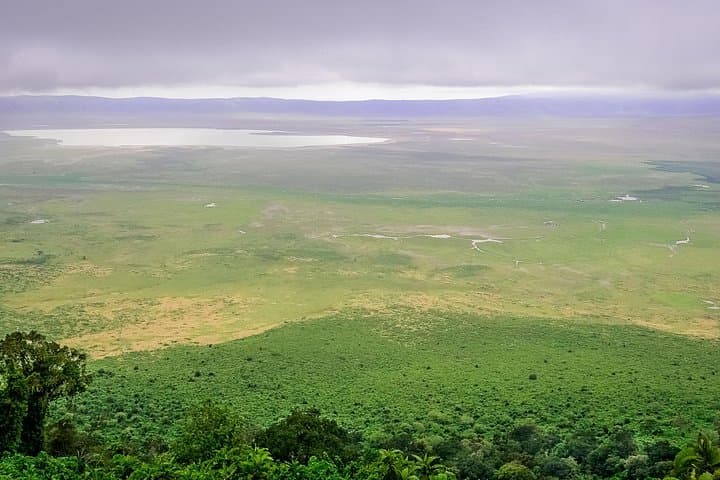
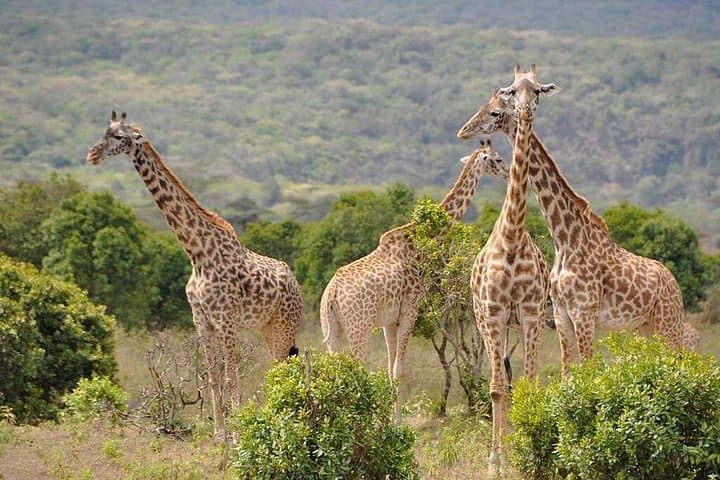
By midmorning the crater rim appears: a dark lip of forest and grass that drops nearly 600–700 meters to a bowl of plains, lakes, and woodlands. Descending feels like entering a different world — air thick with livestock scent and distant calls — and soon the silhouette of a grazing buffalo or a tower of giraffes will cut the horizon.
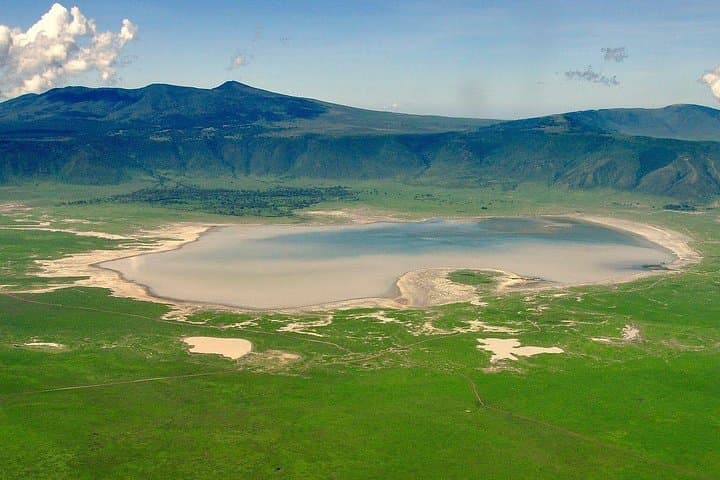
Ngorongoro formed when a massive volcano collapsed some two to three million years ago; erosion and time smoothed the rim, trapping an extraordinary micro‑ecosystem. The Maasai have grazed and negotiated conservation here for generations, and the crater’s mosaic of hippo pools, Lerai woodland, and flamingo‑tinted lakes supports a dense wildlife population, including rare black rhino on the crater floor.
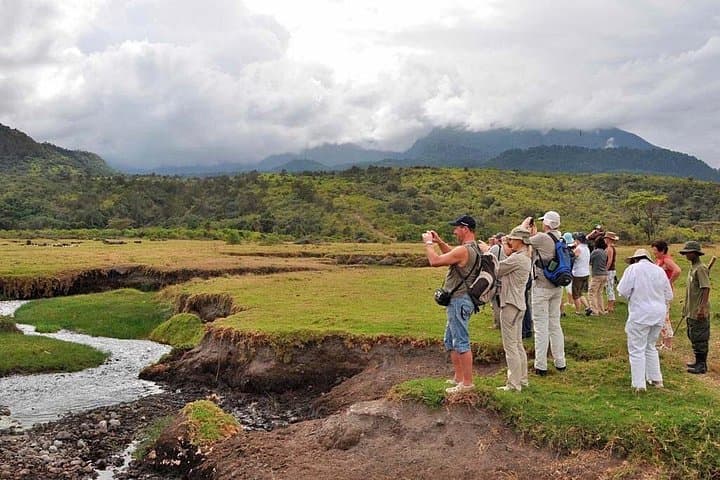
Practicalities shape the day: expect a roughly 190 km drive from Moshi, a 5:00 a.m. pickup and an 11‑hour outing with multiple game drives and a picnic near a hippo pool. Park and crater fees, bottled water, lunch box, and a professional English‑speaking guide are normally included; cell service is patchy and roads inside the conservation area can be bumpy.
Bring binoculars, layered clothing for cold mornings and sun by noon, sun protection, and patience — wildlife sightings are never guaranteed but the crater’s density of habitat gives you one of the best chances in Africa to see the Big Five. Follow your guide, respect wildlife distances, and leave no trace: the crater’s balance depends on careful behavior and local stewardship.
The tarmac drive is roughly 190 km and takes about 3–4 hours each way depending on traffic and stops; the full tour is typically 10–11 hours.
This tour usually includes crater entry and park fees—confirm at booking but expect fees and government taxes to be itemized in the inclusions.
Ngorongoro offers one of the best chances in Africa to see the Big Five, but sightings are not guaranteed; black rhino are present but elusive and often on the crater floor.
The tour is considered physically easy with limited walking, but it’s not recommended for travelers with spinal issues; infants may need to sit on laps—check provider rules for age policies.
Kilisa Tours & Safaris operates guided outdoor trips and adventures with an emphasis on safety, stewardship, and memorable experiences.
Before dawn the van gathers you on Moshi’s quiet streets and a long tarmac ribbon unfurls toward the highlands.
Before dawn the van gathers you on Moshi’s quiet streets and a long tarmac ribbon unfurls toward the highlands.
By midmorning the crater rim appears: a dark lip of forest and grass that drops nearly 600–700 meters to a bowl of plains, lakes, and woodlands. Descending feels like entering a different world — air thick with livestock scent and distant calls — and soon the silhouette of a grazing buffalo or a tower of giraffes will cut the horizon.
Ngorongoro formed when a massive volcano collapsed some two to three million years ago; erosion and time smoothed the rim, trapping an extraordinary micro‑ecosystem. The Maasai have grazed and negotiated conservation here for generations, and the crater’s mosaic of hippo pools, Lerai woodland, and flamingo‑tinted lakes supports a dense wildlife population, including rare black rhino on the crater floor.
Practicalities shape the day: expect a roughly 190 km drive from Moshi, a 5:00 a.m. pickup and an 11‑hour outing with multiple game drives and a picnic near a hippo pool. Park and crater fees, bottled water, lunch box, and a professional English‑speaking guide are normally included; cell service is patchy and roads inside the conservation area can be bumpy.
Bring binoculars, layered clothing for cold mornings and sun by noon, sun protection, and patience — wildlife sightings are never guaranteed but the crater’s density of habitat gives you one of the best chances in Africa to see the Big Five. Follow your guide, respect wildlife distances, and leave no trace: the crater’s balance depends on careful behavior and local stewardship.