THE ADVENTURE COLLECTIVE® · Independent discovery and booking for outdoor travel

Descend into Africa’s largest intact volcanic caldera for concentrated wildlife viewing and sweeping geological scenery. This practical day tour from Arusha pairs expert guiding with efficient access to lions, rhinos, hippos and towering crater walls.
Descend into Africa’s largest intact volcanic caldera for concentrated wildlife viewing and sweeping geological scenery. This practical day tour from Arusha pairs expert guiding with efficient access to lions, rhinos, hippos and towering crater walls.
A pale dawn lifts over the rim and the crater floor waits below like a vast, living theater. You step from a 4x4 onto soft volcanic soil and the air—cool, dry, and sharp—carries hyena calls and the distant low of hippo. From the rim the caldera opens: a bowl of grassland, swamp, and woodland where herds move with a patient rhythm and predators shadow their paths.
Verified experiences and guided adventures in the surrounding area.
Operated by ALAITOL SAFARIS · Ngorongoro Conservation Area, Arusha Region
A pale dawn lifts over the rim and the crater floor waits below like a vast, living theater. You step from a 4x4 onto soft volcanic soil and the air—cool, dry, and sharp—carries hyena calls and the distant low of hippo. From the rim the caldera opens: a bowl of grassland, swamp, and woodland where herds move with a patient rhythm and predators shadow their paths.
The Ngorongoro Crater is the collapsed caldera of an ancient volcano, a geological bowl formed some two to three million years ago. Its walls keep a micro-ecosystem intact; Maasai culture threads the area, with pastoralists grazing cattle on the rim and historic stone sites scattered through the highlands. UNESCO protection recognizes both natural and cultural value, and the concentration of resident wildlife—lion, elephant, black rhino, and thousands of ungulates—makes it one of East Africa’s most reliable safari arenas.
On a typical day tour you’ll drive from Arusha, descend to the crater floor for game viewing, and pause at hippo pools and lookouts. Wildlife viewing is largely by vehicle, with short, supervised walks possible at designated sites. Expect long hours on gravel roads, wide-open light for photography, and variable weather: sun at the rim, cooler breezes below.
Practicalities: carry sun protection and refillable water, keep a small daypack for layers and camera gear, and plan for an early start and an 11-hour round trip. Respect Maasai land uses and park rules; vehicle-based viewing and an experienced guide make the most of your time while minimizing disturbance to animals.
The tour is approximately 11 hours round trip with an early-morning departure (around 07:00) from Arusha and return in the early evening.
Yes—this tour includes park fees, admission, bottled water and a picnic lunch as listed in the inclusions.
Black rhino sightings are possible but rare; Ngorongoro offers one of the best chances in Tanzania because of its resident population, though visibility depends on luck and seasonal movements.
The tour is suitable for most ages and fitness levels since viewing is vehicle-based; discuss any mobility restrictions with your operator for pickup logistics and vehicle access.
ALAITOL SAFARIS operates guided outdoor trips and adventures with an emphasis on safety, stewardship, and memorable experiences.
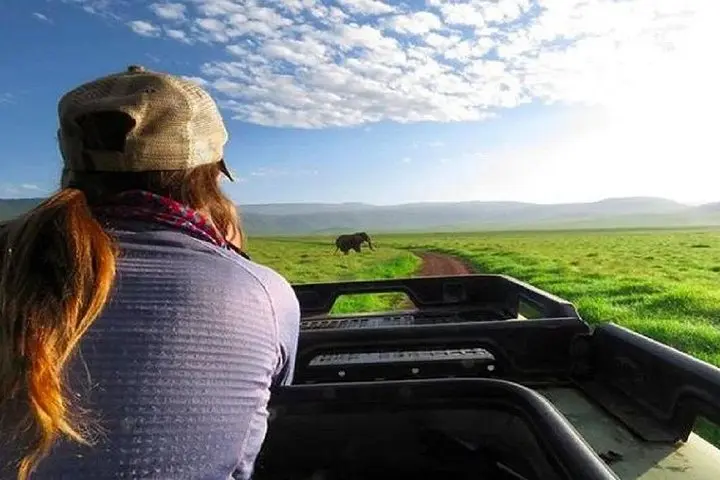
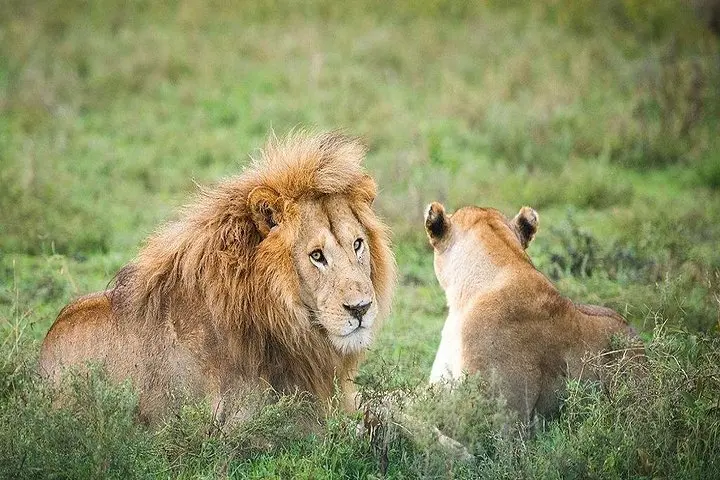
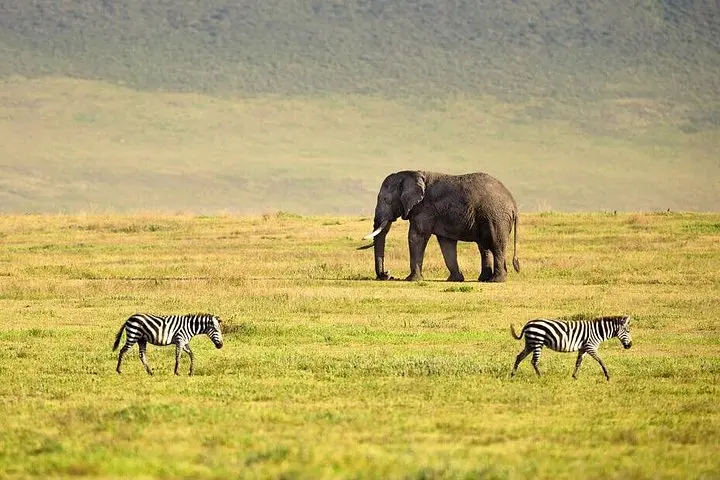
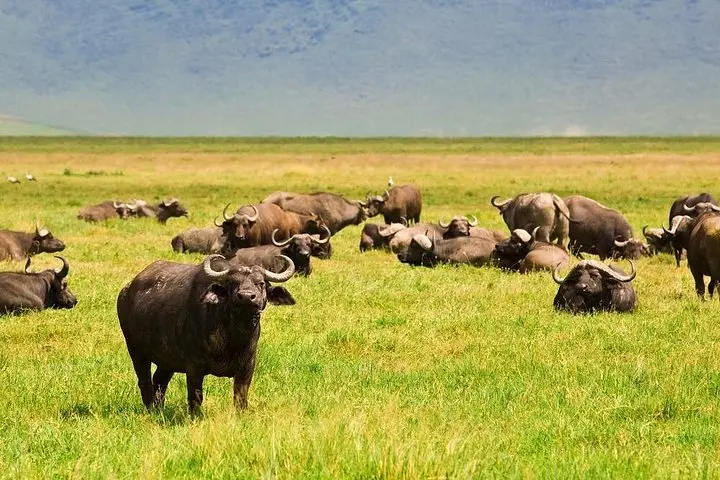
A pale dawn lifts over the rim and the crater floor waits below like a vast, living theater. You step from a 4x4 onto soft volcanic soil and the air—cool, dry, and sharp—carries hyena calls and the distant low of hippo. From the rim the caldera opens: a bowl of grassland, swamp, and woodland where herds move with a patient rhythm and predators shadow their paths.
A pale dawn lifts over the rim and the crater floor waits below like a vast, living theater. You step from a 4x4 onto soft volcanic soil and the air—cool, dry, and sharp—carries hyena calls and the distant low of hippo. From the rim the caldera opens: a bowl of grassland, swamp, and woodland where herds move with a patient rhythm and predators shadow their paths.
The Ngorongoro Crater is the collapsed caldera of an ancient volcano, a geological bowl formed some two to three million years ago. Its walls keep a micro-ecosystem intact; Maasai culture threads the area, with pastoralists grazing cattle on the rim and historic stone sites scattered through the highlands. UNESCO protection recognizes both natural and cultural value, and the concentration of resident wildlife—lion, elephant, black rhino, and thousands of ungulates—makes it one of East Africa’s most reliable safari arenas.
On a typical day tour you’ll drive from Arusha, descend to the crater floor for game viewing, and pause at hippo pools and lookouts. Wildlife viewing is largely by vehicle, with short, supervised walks possible at designated sites. Expect long hours on gravel roads, wide-open light for photography, and variable weather: sun at the rim, cooler breezes below.
Practicalities: carry sun protection and refillable water, keep a small daypack for layers and camera gear, and plan for an early start and an 11-hour round trip. Respect Maasai land uses and park rules; vehicle-based viewing and an experienced guide make the most of your time while minimizing disturbance to animals.