THE ADVENTURE COLLECTIVE® · Independent discovery and booking for outdoor travel

Spend a long day inside one of Africa’s most dramatic calderas: Ngorongoro’s dense wildlife, sweeping rim views, and Maasai cultural landscapes make for a compact, high-value safari from Arusha. Read on for what to expect and how to prepare.
Spend a long day inside one of Africa’s most dramatic calderas: Ngorongoro’s dense wildlife, sweeping rim views, and Maasai cultural landscapes make for a compact, high-value safari from Arusha. Read on for what to expect and how to prepare.
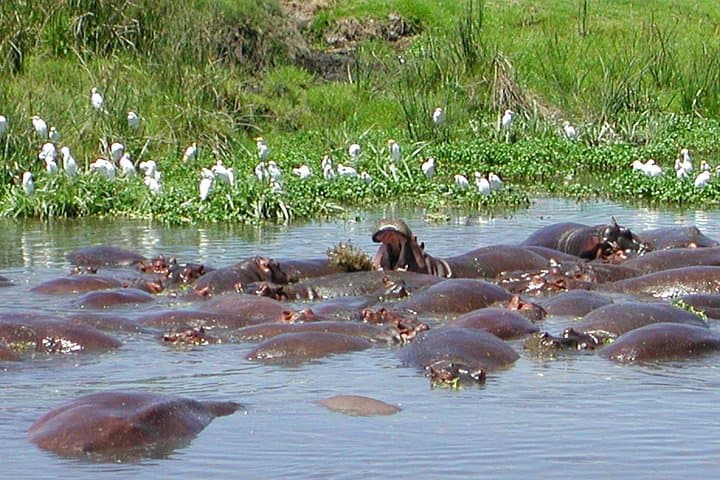
You arrive before dawn, the van rolling over red-earth tracks as mist peels off the crater rim. Light fills the bowl of the Ngorongoro Crater, and the valley below wakes with low animal calls; lions patrol, wildebeest graze, and the occasional hippo rolls in a soda-ash lake. The crater’s rim frames the scene like a natural amphitheater, the earth itself still raw from the massive volcanic collapse that formed it millions of years ago.
Verified experiences and guided adventures in the surrounding area.
Operated by Landside Adventure · Arusha, Arusha Region
You arrive before dawn, the van rolling over red-earth tracks as mist peels off the crater rim. Light fills the bowl of the Ngorongoro Crater, and the valley below wakes with low animal calls; lions patrol, wildebeest graze, and the occasional hippo rolls in a soda-ash lake. The crater’s rim frames the scene like a natural amphitheater, the earth itself still raw from the massive volcanic collapse that formed it millions of years ago.
This is not just a safari stop; Ngorongoro is part of a conservation landscape where Maasai communities have grazed cattle for generations and where geology and ecology intersect — a collapsed volcano turned microcosm of East African wildlife. The crater’s steep walls trap water and life, producing one of the highest densities of large mammals anywhere on earth.
On a day trip from Arusha expect long drives to the rim, several game-drive loops across varied terrain — short grass plains, marshy soda lakes, and acacia-dotted slopes — and a packed lunch at a designated picnic spot. Guides interpret predator behavior, point out endemic birdlife, and navigate park rules designed to limit impact. Photographers should plan for changing light and vehicle windows.
Practical notes: the trip is an 8–11 hour outing with bumpy roads and extended sitting; bring layers for cool mornings, sun protection for the midday glare, and reusable water. Entrance fees, vehicle limits, and conservation rules are enforced — respect viewing distances and Maasai land-use patterns. For many visitors, the crater delivers intense wildlife viewing in a single, unforgettable day.
Expect an 8–11 hour day including round-trip transport, time at the crater rim, and several game-drive loops inside the crater.
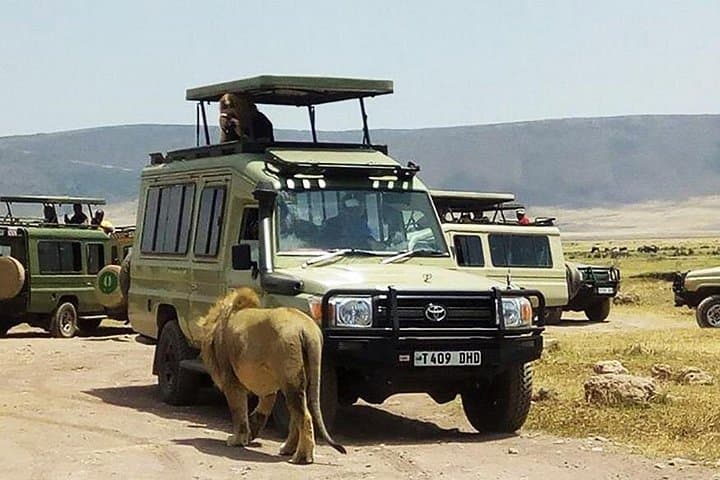
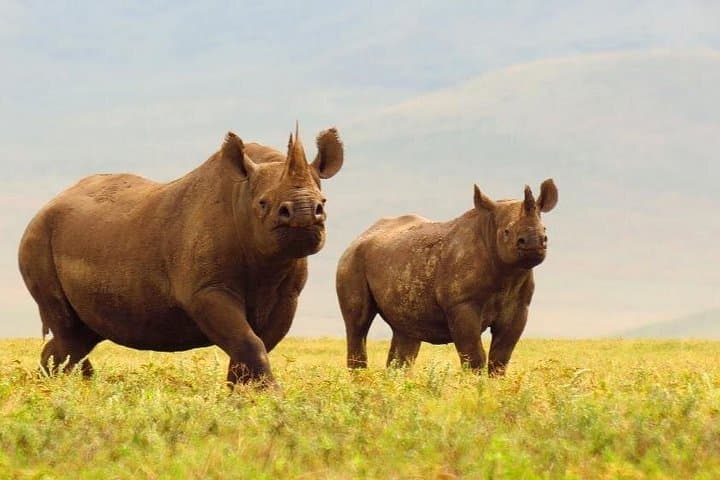
Common sightings include lions, hyenas, wildebeest, zebra, buffalo, and a variety of birds; black rhinos are present but rare and sightings aren’t guaranteed.
Vehicles and many areas are wheelchair-accessible, but long hours and bumpy roads may be uncomfortable; infants must sit on laps and check provider policies before booking.
Check the tour details—many day trips include park fees and offer private-transport options; confirm whether entrance fees and lunch are included before booking.
Landside Adventure operates guided outdoor trips and adventures with an emphasis on safety, stewardship, and memorable experiences.

You arrive before dawn, the van rolling over red-earth tracks as mist peels off the crater rim. Light fills the bowl of the Ngorongoro Crater, and the valley below wakes with low animal calls; lions patrol, wildebeest graze, and the occasional hippo rolls in a soda-ash lake. The crater’s rim frames the scene like a natural amphitheater, the earth itself still raw from the massive volcanic collapse that formed it millions of years ago.
You arrive before dawn, the van rolling over red-earth tracks as mist peels off the crater rim. Light fills the bowl of the Ngorongoro Crater, and the valley below wakes with low animal calls; lions patrol, wildebeest graze, and the occasional hippo rolls in a soda-ash lake. The crater’s rim frames the scene like a natural amphitheater, the earth itself still raw from the massive volcanic collapse that formed it millions of years ago.
This is not just a safari stop; Ngorongoro is part of a conservation landscape where Maasai communities have grazed cattle for generations and where geology and ecology intersect — a collapsed volcano turned microcosm of East African wildlife. The crater’s steep walls trap water and life, producing one of the highest densities of large mammals anywhere on earth.
On a day trip from Arusha expect long drives to the rim, several game-drive loops across varied terrain — short grass plains, marshy soda lakes, and acacia-dotted slopes — and a packed lunch at a designated picnic spot. Guides interpret predator behavior, point out endemic birdlife, and navigate park rules designed to limit impact. Photographers should plan for changing light and vehicle windows.
Practical notes: the trip is an 8–11 hour outing with bumpy roads and extended sitting; bring layers for cool mornings, sun protection for the midday glare, and reusable water. Entrance fees, vehicle limits, and conservation rules are enforced — respect viewing distances and Maasai land-use patterns. For many visitors, the crater delivers intense wildlife viewing in a single, unforgettable day.