THE ADVENTURE COLLECTIVE® · Independent discovery and booking for outdoor travel

Descend into one of the world’s largest intact calderas for concentrated wildlife viewing on a full-day vehicle safari. This Ngorongoro Crater day trip pairs dramatic geology with reliable game sightings and a picnic on the crater floor.
Descend into one of the world’s largest intact calderas for concentrated wildlife viewing on a full-day vehicle safari. This Ngorongoro Crater day trip pairs dramatic geology with reliable game sightings and a picnic on the crater floor.
The road drops and the sky widens as the vehicle edges toward the Ngorongoro Crater rim; below, a vast bowl of grassland and lakes waits like a city of wildlife. Early light reveals acacia silhouettes and steam rising from a shallow soda lake where flamingos dabble, while the plain beyond holds grazing wildebeest and the low, patient shapes of hippos in the swamp.
Verified experiences and guided adventures in the surrounding area.
Operated by MORAKA AFRICA SAFARIS · Karatu, Arusha Region
The road drops and the sky widens as the vehicle edges toward the Ngorongoro Crater rim; below, a vast bowl of grassland and lakes waits like a city of wildlife. Early light reveals acacia silhouettes and steam rising from a shallow soda lake where flamingos dabble, while the plain beyond holds grazing wildebeest and the low, patient shapes of hippos in the swamp.
Geologically, Ngorongoro is a collapsed volcano—one of the largest intact calderas in the world—formed millions of years ago. Culturally, the crater sits within the Ngorongoro Conservation Area, where Maasai herders share the landscape with abundant fauna under strict conservation rules that aim to balance culture and wildlife.
The typical day trip starts in Arusha and winds through highland roads to the crater rim, then descends roughly 600 meters to the floor for game viewing from an open safari vehicle. Expect forest pockets with monkeys and towering grasslands where lions and hyenas hunt; keep an eye on shallow lakes for hippos and flocks of flamingos.
Practical notes: it’s a long, full day—plan for early pickup and a picnic lunch at a designated site. Roads inside the crater are rough; a vehicle tour is the standard and safest way to see wildlife here. Bring binoculars, layers for temperature swings, sun protection and patience—sightings are natural and never guaranteed.
This trip is ideal for travelers wanting concentrated wildlife viewing in one unique geological setting, with community-minded conservation shaping how the area is experienced.
Expect a full day—roughly 6–7 hours total, including road time and several hours on the crater floor for game viewing.
No—sightings are natural and vary by season and time of day, though Ngorongoro’s density makes large mammal encounters likely.
Generally no—visitors must remain in the vehicle except at approved picnic sites and designated walking areas with a guide.
The tour is advertised as accessible and suitable for most fitness levels, but the crater roads are bumpy and there’s limited mobility during wildlife drives; check with the operator about specific accessibility needs.
MORAKA AFRICA SAFARIS operates guided outdoor trips and adventures with an emphasis on safety, stewardship, and memorable experiences.
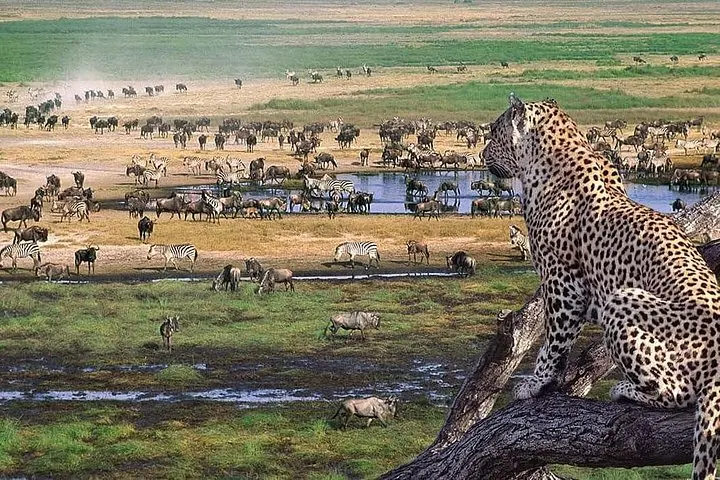
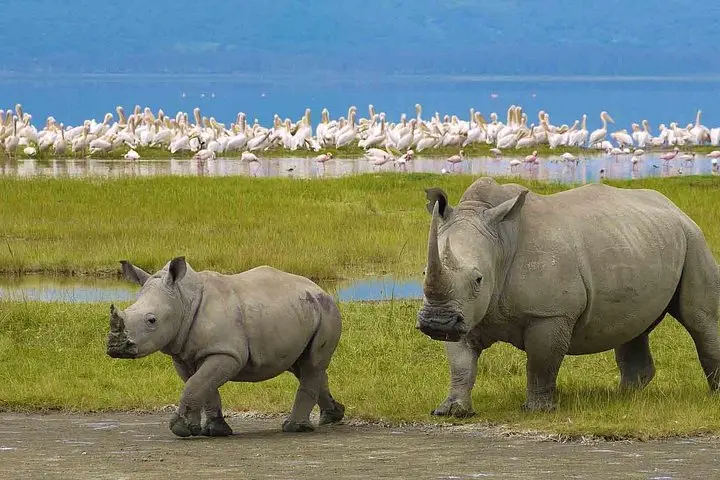
The road drops and the sky widens as the vehicle edges toward the Ngorongoro Crater rim; below, a vast bowl of grassland and lakes waits like a city of wildlife. Early light reveals acacia silhouettes and steam rising from a shallow soda lake where flamingos dabble, while the plain beyond holds grazing wildebeest and the low, patient shapes of hippos in the swamp.
The road drops and the sky widens as the vehicle edges toward the Ngorongoro Crater rim; below, a vast bowl of grassland and lakes waits like a city of wildlife. Early light reveals acacia silhouettes and steam rising from a shallow soda lake where flamingos dabble, while the plain beyond holds grazing wildebeest and the low, patient shapes of hippos in the swamp.
Geologically, Ngorongoro is a collapsed volcano—one of the largest intact calderas in the world—formed millions of years ago. Culturally, the crater sits within the Ngorongoro Conservation Area, where Maasai herders share the landscape with abundant fauna under strict conservation rules that aim to balance culture and wildlife.
The typical day trip starts in Arusha and winds through highland roads to the crater rim, then descends roughly 600 meters to the floor for game viewing from an open safari vehicle. Expect forest pockets with monkeys and towering grasslands where lions and hyenas hunt; keep an eye on shallow lakes for hippos and flocks of flamingos.
Practical notes: it’s a long, full day—plan for early pickup and a picnic lunch at a designated site. Roads inside the crater are rough; a vehicle tour is the standard and safest way to see wildlife here. Bring binoculars, layers for temperature swings, sun protection and patience—sightings are natural and never guaranteed.
This trip is ideal for travelers wanting concentrated wildlife viewing in one unique geological setting, with community-minded conservation shaping how the area is experienced.