THE ADVENTURE COLLECTIVE® · Independent discovery and booking for outdoor travel

Descend into one of Africa’s most dramatic calderas on a private full-day safari from Arusha. This practical guide covers geology, likely wildlife, and what to pack for the eight-hour crater experience.
Descend into one of Africa’s most dramatic calderas on a private full-day safari from Arusha. This practical guide covers geology, likely wildlife, and what to pack for the eight-hour crater experience.
You leave Arusha before dawn and the road unfurls across acacia plains, the air cooling as the Landcruiser climbs toward the crater rim. The first view arrives like a slow reveal: a circular bowl cut into the highlands, rim lit gold, the crater floor far below where a pale soda lake glints like a held breath. Descending the switchbacks feels deliberate; the crater’s scale—610 metres deep with a 260 km² floor—keeps returning to the mind.
Verified experiences and guided adventures in the surrounding area.
Operated by Kenya Bush Expeditions Tour and Travel · Ngorongoro Conservation Area, Arusha Region
You leave Arusha before dawn and the road unfurls across acacia plains, the air cooling as the Landcruiser climbs toward the crater rim. The first view arrives like a slow reveal: a circular bowl cut into the highlands, rim lit gold, the crater floor far below where a pale soda lake glints like a held breath. Descending the switchbacks feels deliberate; the crater’s scale—610 metres deep with a 260 km² floor—keeps returning to the mind.
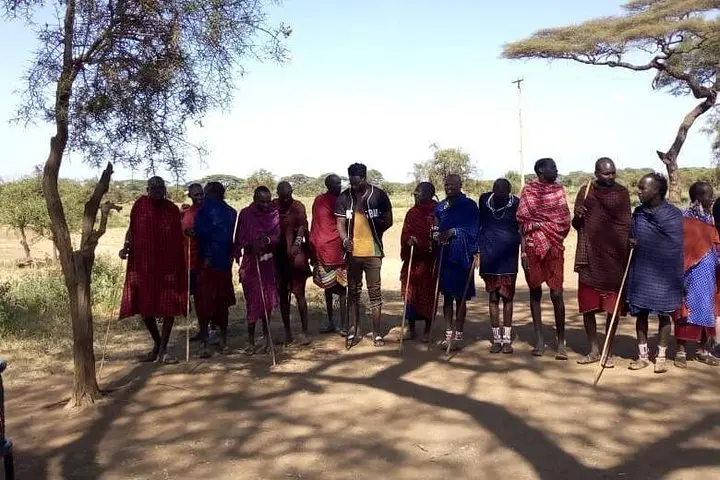
Geology reached here in broad strokes: the caldera formed when a colossal volcano collapsed 2–3 million years ago. Estimates put the extinct peak at 4,500–5,800 metres originally; the current rim sits above a floor near 1,800 metres. Culturally the area is managed as a conservation landscape where Maasai pastoralism and wildlife coexist under the Ngorongoro Conservation Area Authority; the conservation model is as much about people as animals.
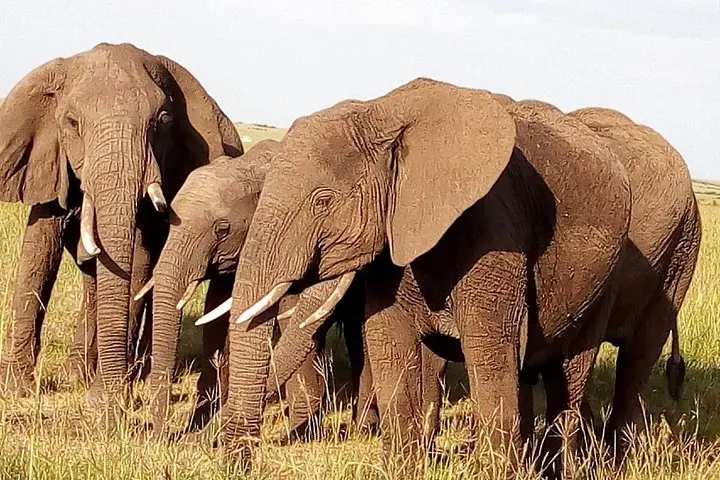
On a full-day private tour you’ll descend into the biodiverse basin, scan Lerai’s forest pockets and the soda lake, and watch for elephants, buffalo, zebra, and, with luck, predators and rhino. Practical takeaways: this is a long, vehicle-based game drive—expect 8 hours including pickup, an included packed lunch at a picnic site, park and crater entry fees, and mineral water. The road sections are bumpy; a moderate fitness level is recommended for short strolls and getting in and out of the vehicle. Bring layered clothing, sun protection, binoculars and follow your guide’s distance rules around wildlife. Timing your visit for the dry season (June–October) improves visibility and road conditions. The crater delivers concentrated wildlife viewing in a unique volcanic basin—raw, immediate, and logistically straightforward if you come prepared.
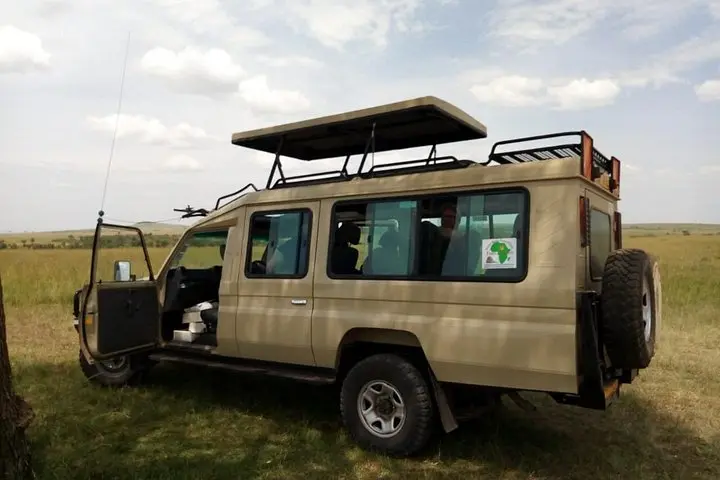
The tour runs about 8 hours (480 minutes) from hotel pickup to return; it typically includes park and crater entry fees, mineral water, an air-conditioned 4x4 vehicle, and a packed lunch.
Infants can join but must sit on an adult’s lap as noted by the operator—confirm specifics at booking and bring appropriate child restraints if required.
The dry season (roughly June–October) concentrates animals near water and improves road access; short rains may reduce visibility but can be excellent for birding and fewer crowds.
Most activity is vehicle-based; short guided walks may be possible in designated picnic areas—follow guide directions and park regulations for safety.
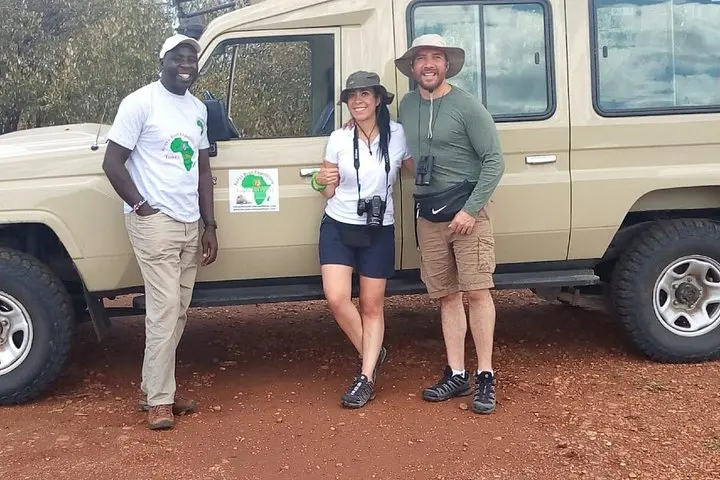
Kenya Bush Expeditions Tour and Travel operates guided outdoor trips and adventures with an emphasis on safety, stewardship, and memorable experiences.
You leave Arusha before dawn and the road unfurls across acacia plains, the air cooling as the Landcruiser climbs toward the crater rim. The first view arrives like a slow reveal: a circular bowl cut into the highlands, rim lit gold, the crater floor far below where a pale soda lake glints like a held breath. Descending the switchbacks feels deliberate; the crater’s scale—610 metres deep with a 260 km² floor—keeps returning to the mind.
You leave Arusha before dawn and the road unfurls across acacia plains, the air cooling as the Landcruiser climbs toward the crater rim. The first view arrives like a slow reveal: a circular bowl cut into the highlands, rim lit gold, the crater floor far below where a pale soda lake glints like a held breath. Descending the switchbacks feels deliberate; the crater’s scale—610 metres deep with a 260 km² floor—keeps returning to the mind.
Geology reached here in broad strokes: the caldera formed when a colossal volcano collapsed 2–3 million years ago. Estimates put the extinct peak at 4,500–5,800 metres originally; the current rim sits above a floor near 1,800 metres. Culturally the area is managed as a conservation landscape where Maasai pastoralism and wildlife coexist under the Ngorongoro Conservation Area Authority; the conservation model is as much about people as animals.
On a full-day private tour you’ll descend into the biodiverse basin, scan Lerai’s forest pockets and the soda lake, and watch for elephants, buffalo, zebra, and, with luck, predators and rhino. Practical takeaways: this is a long, vehicle-based game drive—expect 8 hours including pickup, an included packed lunch at a picnic site, park and crater entry fees, and mineral water. The road sections are bumpy; a moderate fitness level is recommended for short strolls and getting in and out of the vehicle. Bring layered clothing, sun protection, binoculars and follow your guide’s distance rules around wildlife. Timing your visit for the dry season (June–October) improves visibility and road conditions. The crater delivers concentrated wildlife viewing in a unique volcanic basin—raw, immediate, and logistically straightforward if you come prepared.