THE ADVENTURE COLLECTIVE® · Independent discovery and booking for outdoor travel

A full-day descent into Ngorongoro Crater blends dramatic geology, concentrated wildlife viewing, and Maasai cultural context. This guide explains what to expect on a 12-hour safari from Karatu and how to prepare for long days, variable weather, and unforgettable encounters.
A full-day descent into Ngorongoro Crater blends dramatic geology, concentrated wildlife viewing, and Maasai cultural context. This guide explains what to expect on a 12-hour safari from Karatu and how to prepare for long days, variable weather, and unforgettable encounters.
You ease past the rim as morning light pours into the basin and the crater seems to breathe beneath you—steam rising from grasses, a lone zebra picking through dew, and distant lions already moving with purpose.
Verified experiences and guided adventures in the surrounding area.
Operated by Orkiu_adventure · Karatu, Arusha Region
You ease past the rim as morning light pours into the basin and the crater seems to breathe beneath you—steam rising from grasses, a lone zebra picking through dew, and distant lions already moving with purpose.
The Ngorongoro Crater is a collapsed volcanic caldera carved two to three million years ago; its steep walls hold a self-contained ecosystem and one of Africa’s densest concentrations of large mammals. Maasai culture threads the landscape—herds graze the highlands, and concerns about grazing rights and conservation shape how the area is managed today. Nearby Olduvai Gorge anchors the region’s deep human history, while geological fans and marshes map where lava and erosion once met.
On a full-day safari expect long stretches in a 4x4 broken by short, guided walks and extended game viewing. The crater floor is a mix of open grassland, a soda lake that can host flamingos in season, acacia groves, and marshy springs that lure elephants and buffalo. Wildlife moves with weather; predators flatten into the grass at noon and push toward water as the light cools. The elements have agency here—the sun will press, wind will drive dust, and sudden storms can close tracks.
Practicalities: the day is long—plan for a 12-hour excursion from Karatu or Arusha, wear layers, pack water, and bring binoculars and a charged camera. Entrance fees and a knowledgeable local guide are standard; roads inside the conservation area can be rough after rain, so flexible timing matters. Respect wildlife distances, follow your guide’s instructions, and treat the crater as both a prime viewing stage and a fragile, protected landscape.
This itinerary is a full-day experience—about 12 hours including travel from Karatu or Arusha and game viewing inside the crater.
Expect lions, elephants, buffalo, zebra, wildebeest and, seasonally, flamingos at the soda lake; black rhino are present but rare and sightings are not guaranteed.
Many operators have vehicle access and can accommodate children and some wheelchair users—confirm vehicle configuration and any assistance needs at booking.
Typical packages include entrance fees and at least one meal, but confirm specifics with your operator before booking.
Orkiu_adventure operates guided outdoor trips and adventures with an emphasis on safety, stewardship, and memorable experiences.
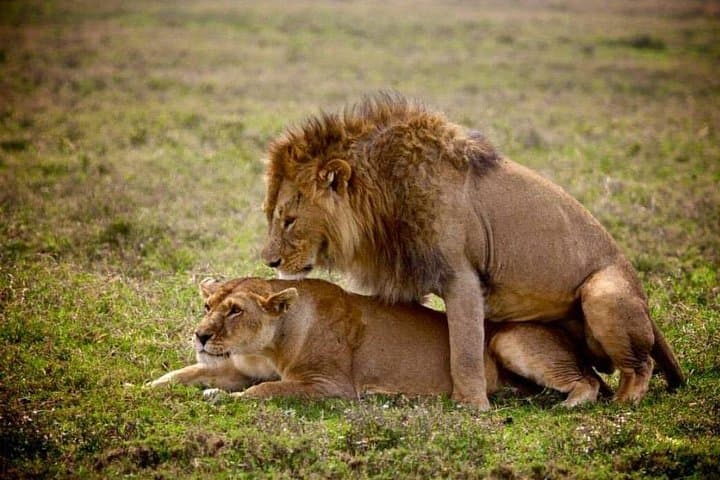

You ease past the rim as morning light pours into the basin and the crater seems to breathe beneath you—steam rising from grasses, a lone zebra picking through dew, and distant lions already moving with purpose.
You ease past the rim as morning light pours into the basin and the crater seems to breathe beneath you—steam rising from grasses, a lone zebra picking through dew, and distant lions already moving with purpose.
The Ngorongoro Crater is a collapsed volcanic caldera carved two to three million years ago; its steep walls hold a self-contained ecosystem and one of Africa’s densest concentrations of large mammals. Maasai culture threads the landscape—herds graze the highlands, and concerns about grazing rights and conservation shape how the area is managed today. Nearby Olduvai Gorge anchors the region’s deep human history, while geological fans and marshes map where lava and erosion once met.
On a full-day safari expect long stretches in a 4x4 broken by short, guided walks and extended game viewing. The crater floor is a mix of open grassland, a soda lake that can host flamingos in season, acacia groves, and marshy springs that lure elephants and buffalo. Wildlife moves with weather; predators flatten into the grass at noon and push toward water as the light cools. The elements have agency here—the sun will press, wind will drive dust, and sudden storms can close tracks.
Practicalities: the day is long—plan for a 12-hour excursion from Karatu or Arusha, wear layers, pack water, and bring binoculars and a charged camera. Entrance fees and a knowledgeable local guide are standard; roads inside the conservation area can be rough after rain, so flexible timing matters. Respect wildlife distances, follow your guide’s instructions, and treat the crater as both a prime viewing stage and a fragile, protected landscape.