THE ADVENTURE COLLECTIVE® · Independent discovery and booking for outdoor travel

Ride a dawn transfer from Arusha into the massive Ngorongoro caldera for a full day of vehicle-based game viewing. Expect close encounters with large mammals, Maasai grazing scenes and a long but highly rewarding day on and around the crater floor.
Ride a dawn transfer from Arusha into the massive Ngorongoro caldera for a full day of vehicle-based game viewing. Expect close encounters with large mammals, Maasai grazing scenes and a long but highly rewarding day on and around the crater floor.
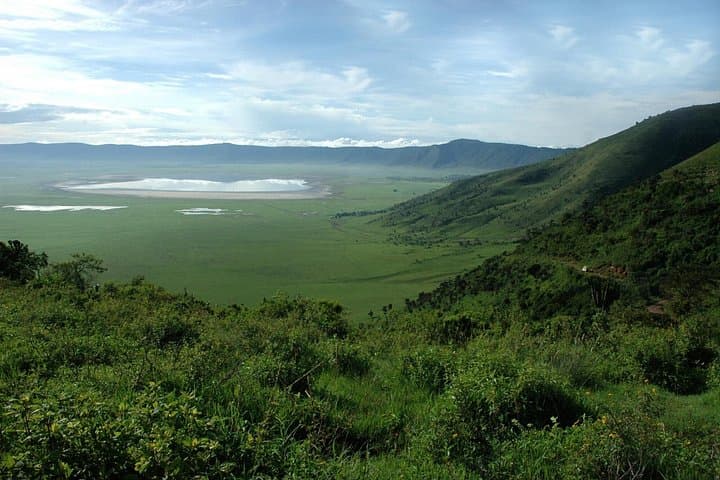
The morning air is thin and sharp as your 4WD climbs toward the Ngorongoro rim; by the time the sun clears the eastern escarpment the crater yawns below, a green bowl dotted with grazing shapes and a winding river that seems to dare you to get closer.
Verified experiences and guided adventures in the surrounding area.
Operated by PERFECT WILDERNESS TOURS AND SAFARIS · Ngorongoro Conservation Area, Arusha Region
The morning air is thin and sharp as your 4WD climbs toward the Ngorongoro rim; by the time the sun clears the eastern escarpment the crater yawns below, a green bowl dotted with grazing shapes and a winding river that seems to dare you to get closer.
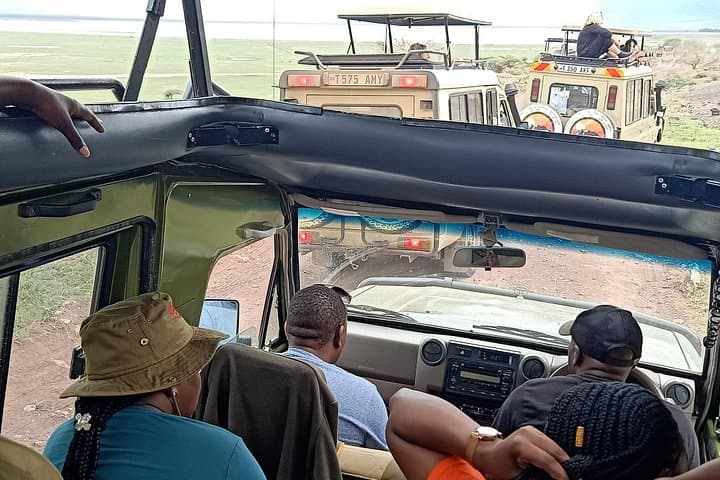
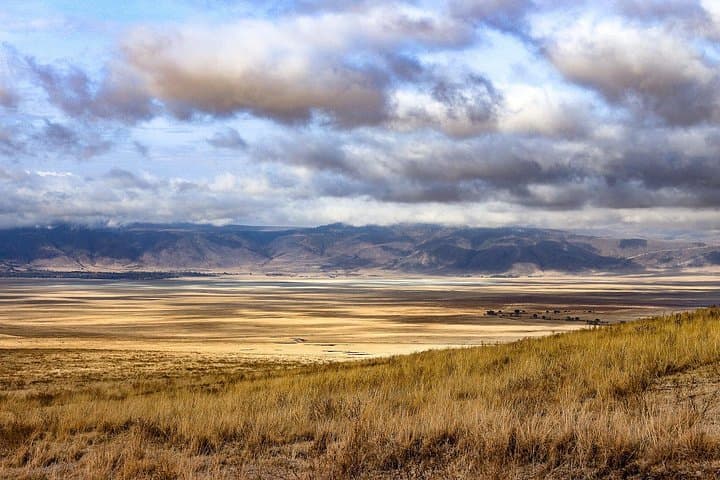
This day tour moves at the pragmatic pace of a classic African game drive: a three-hour road transfer from Arusha, a guided sweep across the crater floor and a picnic lunch while scavengers circle in the distance. Geologically the caldera collapsed around two to three million years ago—today the intact crater floor spans roughly 260 km² and sits about 600 meters below the rim, creating a microecosystem where water is repeated invitation.
Culture threads through the route: Maasai herders still move cattle across the rim, and their seasonal grazing patterns shape where wildlife gathers. Expect to see elephants, lions, hyenas, jackal and vast herds of wildebeest and zebra; lucky visitors may spot a black rhino or flamingos along Lake Magadi.
Practical guidance: pickups typically start at 6:00 a.m., making for a 12–13 hour day including two three-hour transfers. Wear layers—the crater rim sits near 2,200–2,400 m and mornings are cool; the floor is warmer by midday. Bring binoculars, camera with a good zoom and cash for optional Maasai village visits and tips. Stay inside the vehicle unless your guide instructs otherwise; the wildlife is used to cars but not to people on foot.
This trip is straightforward for most travelers but rewards patience, a steady lens and respect for the delicate balance of people, animals and water that defines Ngorongoro.
Expect approximately three hours each way on the transfer, depending on traffic and road conditions; the full-day itinerary runs about 12–13 hours total.
Yes—this guided tour typically includes park entrance fees and a picnic lunch as part of the booking.
Ngorongoro supports most Big Five species—elephant, lion and buffalo are regularly seen; black rhino is rare but possible with a bit of luck and a sharp-eyed guide.
A Maasai cultural visit is often optional and may be available as an add-on; bring small cash for fees and local purchases.
PERFECT WILDERNESS TOURS AND SAFARIS operates guided outdoor trips and adventures with an emphasis on safety, stewardship, and memorable experiences.

The morning air is thin and sharp as your 4WD climbs toward the Ngorongoro rim; by the time the sun clears the eastern escarpment the crater yawns below, a green bowl dotted with grazing shapes and a winding river that seems to dare you to get closer.
The morning air is thin and sharp as your 4WD climbs toward the Ngorongoro rim; by the time the sun clears the eastern escarpment the crater yawns below, a green bowl dotted with grazing shapes and a winding river that seems to dare you to get closer.
This day tour moves at the pragmatic pace of a classic African game drive: a three-hour road transfer from Arusha, a guided sweep across the crater floor and a picnic lunch while scavengers circle in the distance. Geologically the caldera collapsed around two to three million years ago—today the intact crater floor spans roughly 260 km² and sits about 600 meters below the rim, creating a microecosystem where water is repeated invitation.
Culture threads through the route: Maasai herders still move cattle across the rim, and their seasonal grazing patterns shape where wildlife gathers. Expect to see elephants, lions, hyenas, jackal and vast herds of wildebeest and zebra; lucky visitors may spot a black rhino or flamingos along Lake Magadi.
Practical guidance: pickups typically start at 6:00 a.m., making for a 12–13 hour day including two three-hour transfers. Wear layers—the crater rim sits near 2,200–2,400 m and mornings are cool; the floor is warmer by midday. Bring binoculars, camera with a good zoom and cash for optional Maasai village visits and tips. Stay inside the vehicle unless your guide instructs otherwise; the wildlife is used to cars but not to people on foot.
This trip is straightforward for most travelers but rewards patience, a steady lens and respect for the delicate balance of people, animals and water that defines Ngorongoro.