THE ADVENTURE COLLECTIVE® · Independent discovery and booking for outdoor travel

A compact, wildlife-rich 2-day safari that pairs Ngorongoro Crater’s dramatic caldera floor with Lake Manyara’s bird-studded shoreline. Ideal for first-time safari-goers based in Arusha who want maximum sightings in minimal time.
A compact, wildlife-rich 2-day safari that pairs Ngorongoro Crater’s dramatic caldera floor with Lake Manyara’s bird-studded shoreline. Ideal for first-time safari-goers based in Arusha who want maximum sightings in minimal time.
You step into the day with the engine’s low rumble, the silhouette of acacia trees sliding past as the road climbs toward a vast bowl of volcanic earth. On the rim of Ngorongoro the wind has a voice—cool and direct—pushing dust motes across the crater’s rim while the floor below unfurls as a living map of herds and tracks.
Verified experiences and guided adventures in the surrounding area.
Operated by Serengeti adventure · Arusha, Arusha Region
You step into the day with the engine’s low rumble, the silhouette of acacia trees sliding past as the road climbs toward a vast bowl of volcanic earth. On the rim of Ngorongoro the wind has a voice—cool and direct—pushing dust motes across the crater’s rim while the floor below unfurls as a living map of herds and tracks.
The Ngorongoro Conservation Area is an ancient caldera formed when a massive volcano collapsed roughly two to three million years ago; its steep walls keep a rich, resident population of wildlife including black rhino and large-tusk elephants. By contrast, Lake Manyara’s shallow alkaline waters sit within the Rift Valley’s geological seam, drawing flocks of flamingos and creating dense gallery forest habitat that supports troops of baboons and tree-climbing lions.
Culturally, the Maasai and local farmers share this landscape—herd routes and agricultural plots mark human rhythms alongside animal migrations. Sustainable tourism here centers on low-impact game drives and locally guided experiences that support community lodges and conservation fees.
Practically, expect long windows in 4x4 vehicles with morning and afternoon game drives, one lodge night in Karatu, and guided interpretive stops. Bring neutral clothing, sun protection, and binoculars; keep cameras ready for sudden predator encounters. Game-viewing is best in early morning and late afternoon light; midday can be hot and less active. Vehicle-based safaris require minimal fitness but good tolerance for bumpy roads.
Two days gives a concentrated snapshot—intense, accessible, and engineered for sightings of the Big Five—ideal for travelers who want high-impact wildlife viewing without a long overland commitment.
The transfer is about 2–3 hours depending on traffic and road conditions; drivers typically depart early to maximize wildlife viewing time.
This package typically includes fees, specified meals, and one night’s accommodation—confirm inclusions at booking since options can vary.
Yes—vehicles and lodges are accessible, and the itinerary is listed as suitable for all fitness levels, but always check specific lodge accessibility for mobility needs.
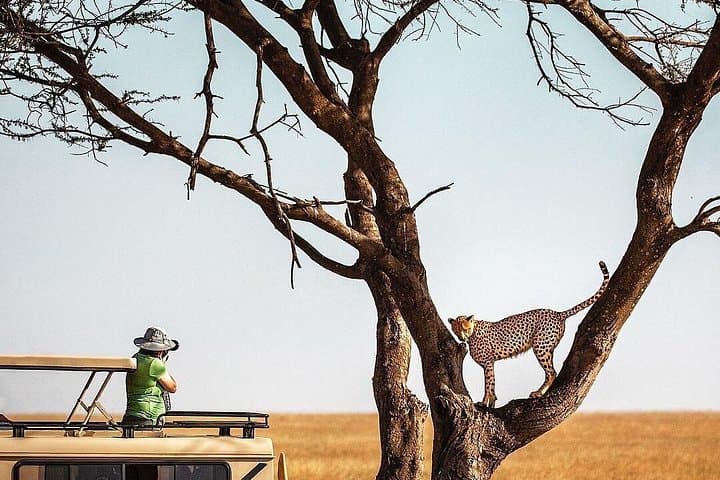
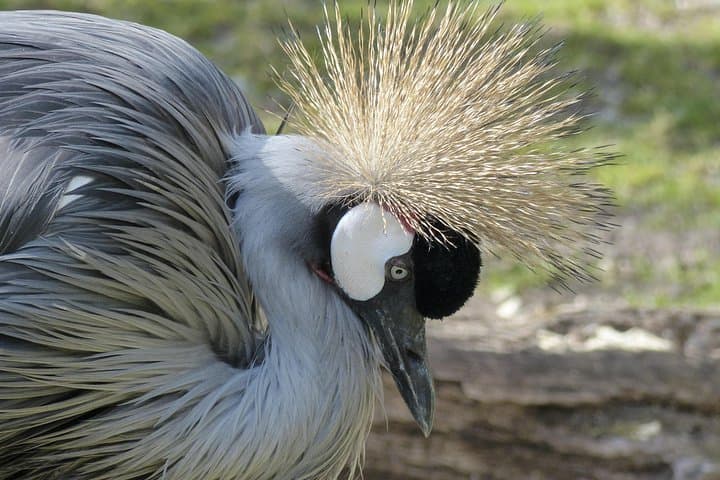
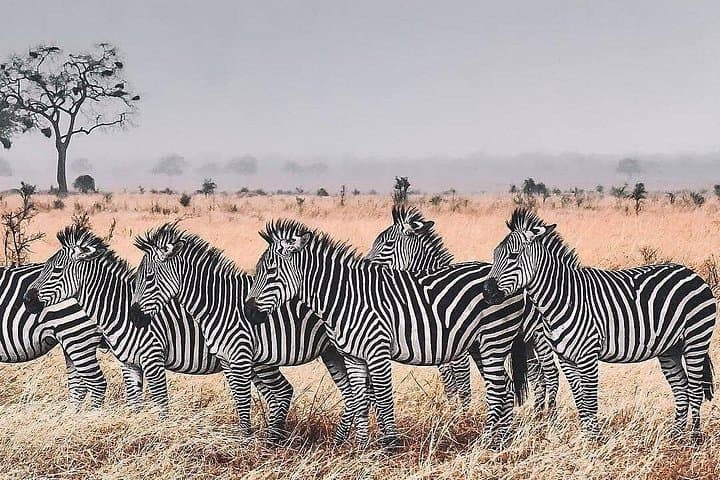
Expect strong chances of seeing the Big Five, large tuskers, hyena, wildebeest, zebra, and hundreds of bird species, though sightings can never be guaranteed.
Serengeti adventure operates guided outdoor trips and adventures with an emphasis on safety, stewardship, and memorable experiences.
You step into the day with the engine’s low rumble, the silhouette of acacia trees sliding past as the road climbs toward a vast bowl of volcanic earth. On the rim of Ngorongoro the wind has a voice—cool and direct—pushing dust motes across the crater’s rim while the floor below unfurls as a living map of herds and tracks.
You step into the day with the engine’s low rumble, the silhouette of acacia trees sliding past as the road climbs toward a vast bowl of volcanic earth. On the rim of Ngorongoro the wind has a voice—cool and direct—pushing dust motes across the crater’s rim while the floor below unfurls as a living map of herds and tracks.
The Ngorongoro Conservation Area is an ancient caldera formed when a massive volcano collapsed roughly two to three million years ago; its steep walls keep a rich, resident population of wildlife including black rhino and large-tusk elephants. By contrast, Lake Manyara’s shallow alkaline waters sit within the Rift Valley’s geological seam, drawing flocks of flamingos and creating dense gallery forest habitat that supports troops of baboons and tree-climbing lions.
Culturally, the Maasai and local farmers share this landscape—herd routes and agricultural plots mark human rhythms alongside animal migrations. Sustainable tourism here centers on low-impact game drives and locally guided experiences that support community lodges and conservation fees.
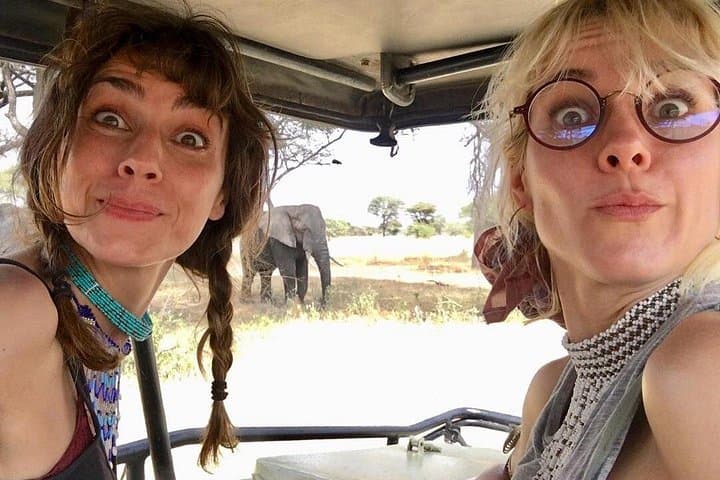
Practically, expect long windows in 4x4 vehicles with morning and afternoon game drives, one lodge night in Karatu, and guided interpretive stops. Bring neutral clothing, sun protection, and binoculars; keep cameras ready for sudden predator encounters. Game-viewing is best in early morning and late afternoon light; midday can be hot and less active. Vehicle-based safaris require minimal fitness but good tolerance for bumpy roads.
Two days gives a concentrated snapshot—intense, accessible, and engineered for sightings of the Big Five—ideal for travelers who want high-impact wildlife viewing without a long overland commitment.