THE ADVENTURE COLLECTIVE® · Independent discovery and booking for outdoor travel

A compact two-day private safari linking Tarangire’s elephants, Ngorongoro’s crater congregation and Lake Manyara’s tree-climbing lions. Expect long game drives, early starts, lodge or tented nights, and concentrated wildlife viewing.
A compact two-day private safari linking Tarangire’s elephants, Ngorongoro’s crater congregation and Lake Manyara’s tree-climbing lions. Expect long game drives, early starts, lodge or tented nights, and concentrated wildlife viewing.
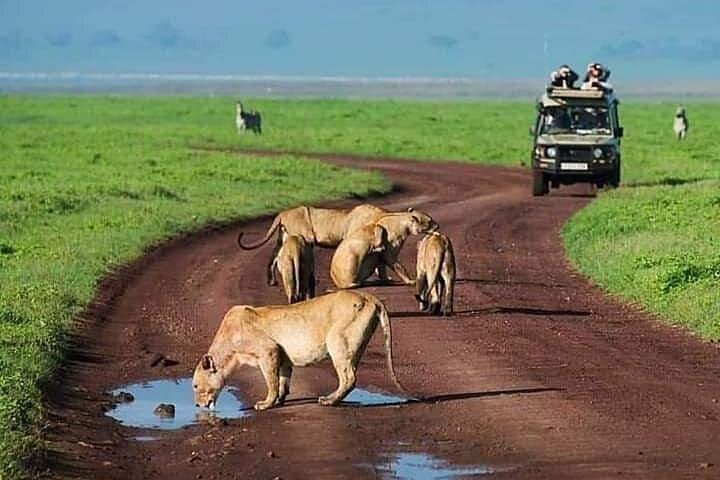
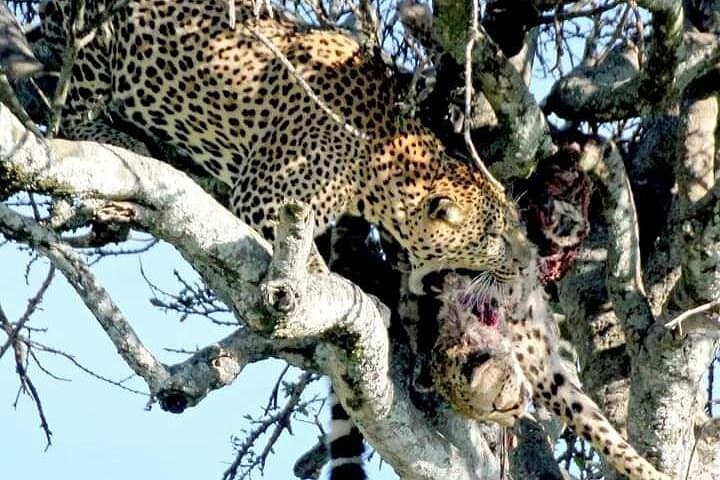
You step from the vehicle into highland air that tastes of dust and green seed pods; the crater rim drops away like a small world, an amphitheater where plains and forest squeeze together and animals move with an easy, elemental logic. On a two-day circuit through Tarangire, Ngorongoro and Manyara, each landscape speaks differently: Tarangire’s baobab-dotted floodplain hums with elephant herds, Ngorongoro’s enclosed caldera gathers grazers in a crowded theater, and Lake Manyara draws birds and the occasional lion that hunts in the trees.
Verified experiences and guided adventures in the surrounding area.
Operated by Sere adventure Safari · Arusha, Arusha Region
You step from the vehicle into highland air that tastes of dust and green seed pods; the crater rim drops away like a small world, an amphitheater where plains and forest squeeze together and animals move with an easy, elemental logic. On a two-day circuit through Tarangire, Ngorongoro and Manyara, each landscape speaks differently: Tarangire’s baobab-dotted floodplain hums with elephant herds, Ngorongoro’s enclosed caldera gathers grazers in a crowded theater, and Lake Manyara draws birds and the occasional lion that hunts in the trees.
The parks are young by human standards but older in geology — Ngorongoro is an ancient volcanic collapse, a natural bowl preserving soil and water; Tarangire rides seasonal rivers that dictate elephant movements; Manyara sits on a soda-lake rim that supports dense acacia woodland. Culturally, the Rift Valley is Maasai country: herders still move cattle and sell crafts in market towns near park gates.
Practically, expect long game drives, gravel roads and early starts to catch animals at first light. The tour alternates picnic lunches with lodge or tented nights; basic comfort and wildlife viewing are the focus, not luxury. Bring binoculars and a zoom lens, layer for chilly mornings and hot afternoons, and keep water and sun protection handy. Follow your guide’s distance rules around wildlife, and budget time for the drive between parks — Tanzania’s rhythms are measured in dirt tracks and animal sightings, not clock time. This two-day loop is compact but generous: it concentrates classic East African wildlife in a short window while offering scene changes that feel like three different countries in one trip.
This itinerary lists park admissions as included for the game-drive days, but confirm total fees and vehicle permits with your operator before booking.
Common sightings include elephants, buffalo, zebra, wildebeest, giraffe and lion; Ngorongoro often concentrates grazers and predators in one accessible area.
Yes — the tour is rated easy and suitable for most ages, but infants may need special seating and all children should follow guide safety rules around wildlife.
Yellow fever vaccination may be required for some arrivals; malaria prophylaxis is advised and carry basic first-aid supplies. Check current health guidance before travel.
Sere adventure Safari operates guided outdoor trips and adventures with an emphasis on safety, stewardship, and memorable experiences.
You step from the vehicle into highland air that tastes of dust and green seed pods; the crater rim drops away like a small world, an amphitheater where plains and forest squeeze together and animals move with an easy, elemental logic. On a two-day circuit through Tarangire, Ngorongoro and Manyara, each landscape speaks differently: Tarangire’s baobab-dotted floodplain hums with elephant herds, Ngorongoro’s enclosed caldera gathers grazers in a crowded theater, and Lake Manyara draws birds and the occasional lion that hunts in the trees.
You step from the vehicle into highland air that tastes of dust and green seed pods; the crater rim drops away like a small world, an amphitheater where plains and forest squeeze together and animals move with an easy, elemental logic. On a two-day circuit through Tarangire, Ngorongoro and Manyara, each landscape speaks differently: Tarangire’s baobab-dotted floodplain hums with elephant herds, Ngorongoro’s enclosed caldera gathers grazers in a crowded theater, and Lake Manyara draws birds and the occasional lion that hunts in the trees.
The parks are young by human standards but older in geology — Ngorongoro is an ancient volcanic collapse, a natural bowl preserving soil and water; Tarangire rides seasonal rivers that dictate elephant movements; Manyara sits on a soda-lake rim that supports dense acacia woodland. Culturally, the Rift Valley is Maasai country: herders still move cattle and sell crafts in market towns near park gates.
Practically, expect long game drives, gravel roads and early starts to catch animals at first light. The tour alternates picnic lunches with lodge or tented nights; basic comfort and wildlife viewing are the focus, not luxury. Bring binoculars and a zoom lens, layer for chilly mornings and hot afternoons, and keep water and sun protection handy. Follow your guide’s distance rules around wildlife, and budget time for the drive between parks — Tanzania’s rhythms are measured in dirt tracks and animal sightings, not clock time. This two-day loop is compact but generous: it concentrates classic East African wildlife in a short window while offering scene changes that feel like three different countries in one trip.