
Ngorongoro to Materuni: 2-Day Safari, Waterfall Hike & Chemka Hot Springs
Two days of Tanzania contrast high-drama wildlife viewing in Ngorongoro Crater with a forest-side hike to Materuni Waterfalls, a Chagga coffee demonstration, and a restorative swim at Chemka Hot Springs. Practical, scenic, and culturally rich, this itinerary compresses major northern Tanzania highlights into a focused weekend.
An Adventure In Arusha.
Two days of Tanzania contrast high-drama wildlife viewing in Ngorongoro Crater with a forest-side hike to Materuni Waterfalls, a Chagga coffee demonstration, and a restorative swim at Chemka Hot Springs. Practical, scenic, and culturally rich, this itinerary compresses major northern Tanzania highlights into a focused weekend.
Read the full experience
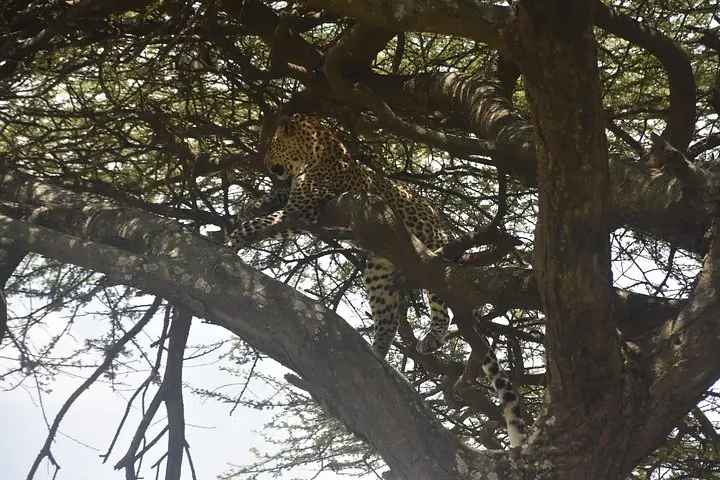
Morning light slices the rim of the Ngorongoro Crater as the convoy eases over the edge and into a landscape that still moves like a living map—short-grass plains, scattered acacia, and the slow choreography of grazing buffalo. Vehicles roll across the crater floor at roughly 1,700–1,800 m elevation; drivers watch for lions, elephant families and the rare black rhino that use this volcanic basin as a refuge.
Morning light slices the rim of the Ngorongoro Crater as the convoy eases over the edge and into a landscape that still moves like a living map—short-grass plains, scattered acacia, and the slow choreography of grazing buffalo. Vehicles roll across the crater floor at roughly 1,700–1,800 m elevation; drivers watch for lions, elephant families and the rare black rhino that use this volcanic basin as a refuge.
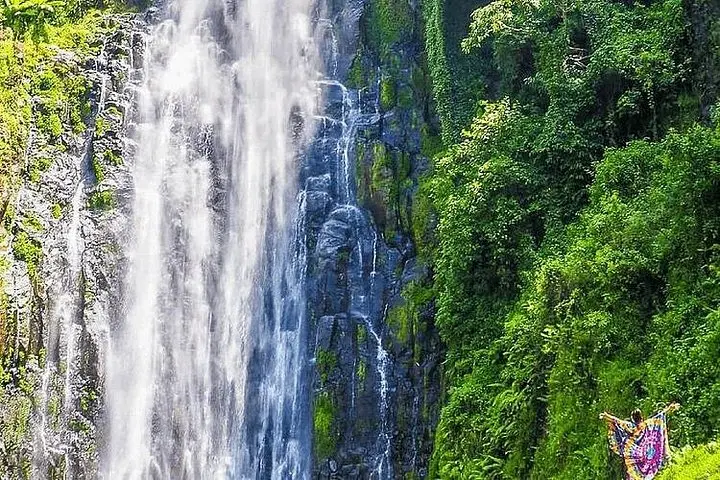
This two-day loop stitches together geology and culture: Ngorongoro itself is a collapsed volcano—its 600 m-deep caldera formed millions of years ago—and an ecological pocket where predator and prey remain visible at close range. On day two, the trail shifts tone. The Materuni hike descends through Chagga farmland and montane forest on the lower slopes of Kilimanjaro, a steep 1–3 km route with roughly 200–400 m of climbing depending on the chosen path. Visitors reach a cool plunge pool beneath the falls and then join a hands-on coffee demonstration that traces traditional Chagga processing methods.
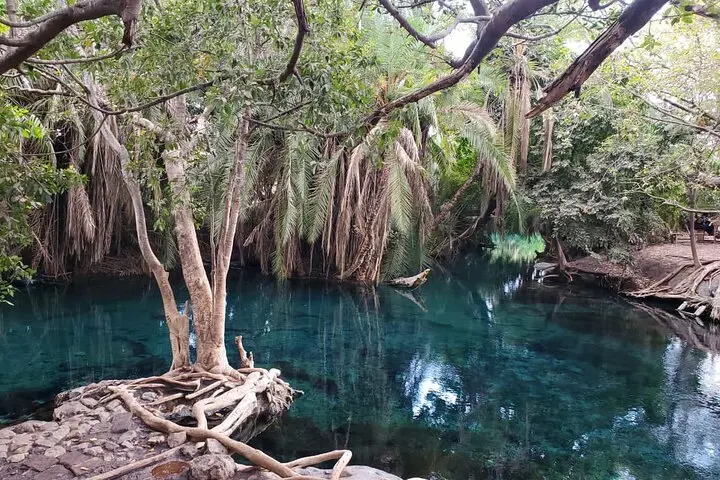
The finale is Chemka Hot Springs: shallow, turquoise pools tucked beneath fig and palm shade where warm water invites slow recovery after trekking and game viewing.
Practical pointers: watch altitude shifts—Arusha starts near 1,400 m, the crater rim around 2,200 m—and pack layers for cold mornings in the highlands and humidity by the falls. Expect full days with a mix of vehicle time, walking and guided interpretation; bring cash for local coffee purchases and modest park fees. The route rewards travelers who want wildlife sightings, cultural encounters, and a warm dip to close the day.
Frequently asked questions
Expect roughly 1–3 km each way depending on the route you take, with 200–400 m of elevation change; plan 1.5–3 hours round trip including time at the falls.
Entrance fees are listed among inclusions for this tour, but always confirm at booking which specific charges are covered.
Children can enjoy crater game drives, but note long vehicle hours and early starts; infants must sit on laps per provider policy.
Yes — Chemka features warm, clear pools suitable for swimming and relaxing; bring swimwear and a towel.
About This Experience
VISION SAFARI & TOURS operates guided outdoor trips and adventures with an emphasis on safety, stewardship, and memorable experiences.
Adventure tips
Recommended gear
- Sturdy hiking shoes: Support and traction for the rocky, sometimes muddy Materuni trail.
- Layered clothing: Warm jacket for early crater starts and breathable layers for hot afternoons.
- Refillable water bottle: Hydration for hikes and long game-drive days; drinking water is provided but refills are handy.
- Light rain jacket: Useful during short rains, especially March–May and November periods.
Photos of the experience
Related adventures & guides
Read the full experience
Morning light slices the rim of the Ngorongoro Crater as the convoy eases over the edge and into a landscape that still moves like a living map—short-grass plains, scattered acacia, and the slow choreography of grazing buffalo. Vehicles roll across the crater floor at roughly 1,700–1,800 m elevation; drivers watch for lions, elephant families and the rare black rhino that use this volcanic basin as a refuge.
Morning light slices the rim of the Ngorongoro Crater as the convoy eases over the edge and into a landscape that still moves like a living map—short-grass plains, scattered acacia, and the slow choreography of grazing buffalo. Vehicles roll across the crater floor at roughly 1,700–1,800 m elevation; drivers watch for lions, elephant families and the rare black rhino that use this volcanic basin as a refuge.
This two-day loop stitches together geology and culture: Ngorongoro itself is a collapsed volcano—its 600 m-deep caldera formed millions of years ago—and an ecological pocket where predator and prey remain visible at close range. On day two, the trail shifts tone. The Materuni hike descends through Chagga farmland and montane forest on the lower slopes of Kilimanjaro, a steep 1–3 km route with roughly 200–400 m of climbing depending on the chosen path. Visitors reach a cool plunge pool beneath the falls and then join a hands-on coffee demonstration that traces traditional Chagga processing methods.
The finale is Chemka Hot Springs: shallow, turquoise pools tucked beneath fig and palm shade where warm water invites slow recovery after trekking and game viewing.
Practical pointers: watch altitude shifts—Arusha starts near 1,400 m, the crater rim around 2,200 m—and pack layers for cold mornings in the highlands and humidity by the falls. Expect full days with a mix of vehicle time, walking and guided interpretation; bring cash for local coffee purchases and modest park fees. The route rewards travelers who want wildlife sightings, cultural encounters, and a warm dip to close the day.
Make a day of it nearby.
Verified experiences and guided adventures in the surrounding area.