THE ADVENTURE COLLECTIVE® · Independent discovery and booking for outdoor travel

Swap Mombasa’s beaches for a two-day game drive into Ngutuni Conservancy. Expect long drives, lodge comfort, and focused wildlife viewing in a private 10,000-acre sanctuary adjoining Tsavo East.
Swap Mombasa’s beaches for a two-day game drive into Ngutuni Conservancy. Expect long drives, lodge comfort, and focused wildlife viewing in a private 10,000-acre sanctuary adjoining Tsavo East.
A low, hard sun slides across the acacia crowns as the safari vehicle eases onto red earth; dusty plains open, and the conservancy’s grasses lean into the breeze. In two days out of Mombasa, visitors trade surf sounds for birdcalls and the patient cadence of elephants moving toward a river. Ngutuni Conservancy covers roughly 10,000 acres and sits along the eastern edge of Tsavo East, offering open savanna, riverine thickets and scattered rocky outcrops that frame wide horizon views.
Verified experiences and guided adventures in the surrounding area.
Operated by Gracepatt Ecotours Kenya · Voi, Taita-Taveta County
A low, hard sun slides across the acacia crowns as the safari vehicle eases onto red earth; dusty plains open, and the conservancy’s grasses lean into the breeze. In two days out of Mombasa, visitors trade surf sounds for birdcalls and the patient cadence of elephants moving toward a river. Ngutuni Conservancy covers roughly 10,000 acres and sits along the eastern edge of Tsavo East, offering open savanna, riverine thickets and scattered rocky outcrops that frame wide horizon views.
The landscape here is shaped by ancient volcanic flows and seasonal rivers that feed a mosaic of habitats; human history in the region includes caravan routes and pastoral Maasai presence, and local guides often point out cultural connections to the land and wildlife stewardship efforts. Birdlife proliferates along watercourses while large mammals—lions, elephant herds, buffalo and the occasional cheetah—use the conservancy as a buffered corridor into Tsavo East.
Practically, expect a road transfer from Mombasa of about 6–8 hours (itinerary allows a full-day transit with stops), with afternoon and early-morning game drives timed to cooler light. Accommodations are at a lodge inside Ngutuni; park entrance fees and most meals are typically included. Pack binoculars, a neutral-colored wardrobe, sun protection and a reliable camera; early starts and dusty roads mean layered clothing and closed shoes are useful. Health-wise, malaria prophylaxis and routine travel vaccines are recommended—confirm current guidance before travel.
On a short safari like this, patience pays: quiet observation often yields the best sightings.
The road transfer is typically 6–8 hours depending on traffic and stops; the operator’s itinerary allows a full travel day with lunch en route.
Most packages include park entrance fees and lodge accommodation—confirm details on booking to be sure.
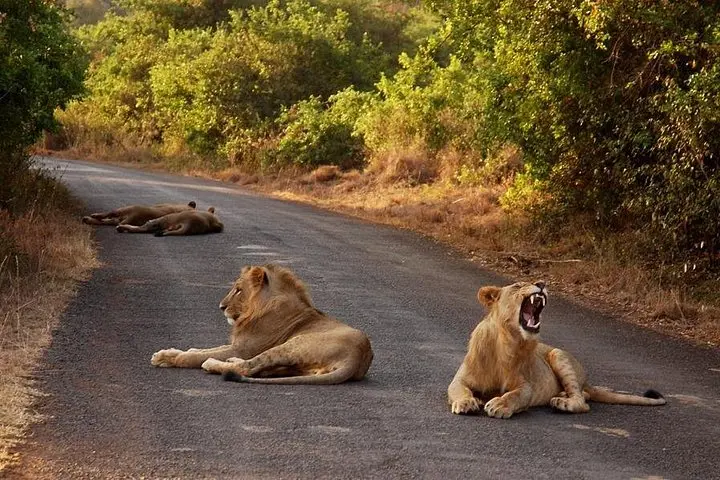
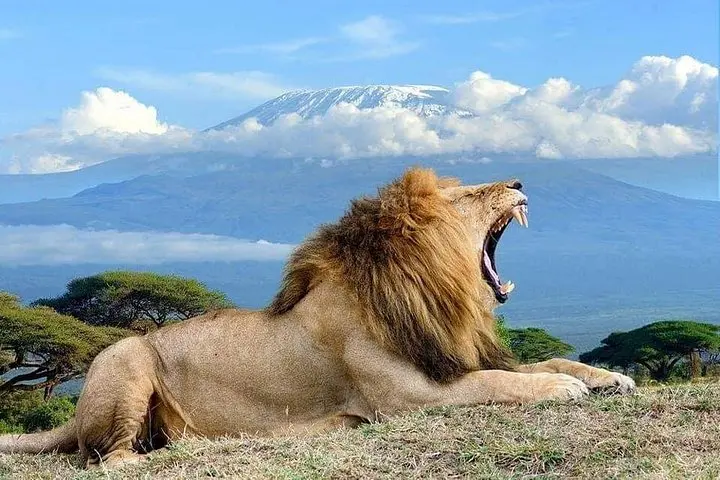
Common sightings include elephants, buffalo, giraffe, zebra and a variety of antelope; lions, cheetah and other big cats are present but sightings are not guaranteed.
Malaria risk exists in this region; consult a travel clinic for prophylaxis and ensure routine vaccinations are up to date before travel.
Gracepatt Ecotours Kenya operates guided outdoor trips and adventures with an emphasis on safety, stewardship, and memorable experiences.
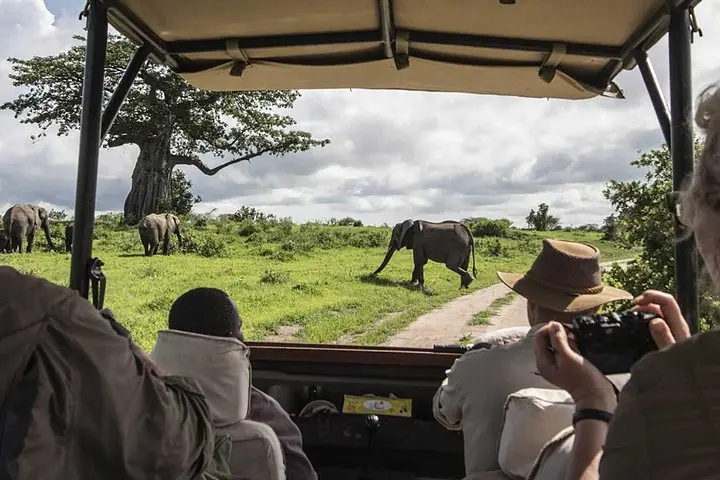
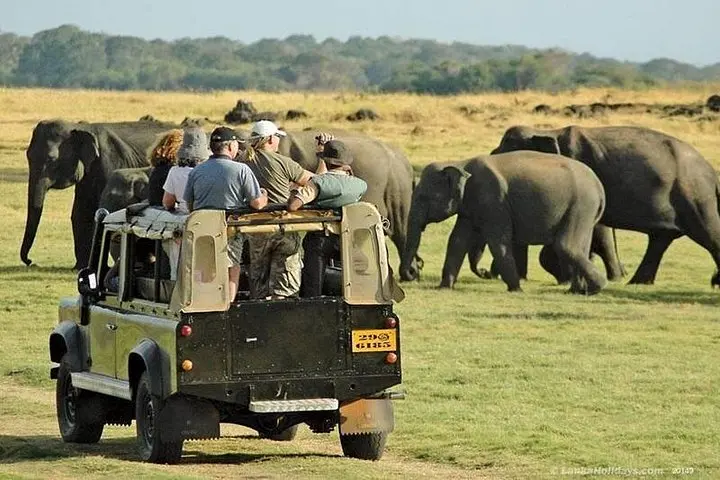
A low, hard sun slides across the acacia crowns as the safari vehicle eases onto red earth; dusty plains open, and the conservancy’s grasses lean into the breeze. In two days out of Mombasa, visitors trade surf sounds for birdcalls and the patient cadence of elephants moving toward a river. Ngutuni Conservancy covers roughly 10,000 acres and sits along the eastern edge of Tsavo East, offering open savanna, riverine thickets and scattered rocky outcrops that frame wide horizon views.
A low, hard sun slides across the acacia crowns as the safari vehicle eases onto red earth; dusty plains open, and the conservancy’s grasses lean into the breeze. In two days out of Mombasa, visitors trade surf sounds for birdcalls and the patient cadence of elephants moving toward a river. Ngutuni Conservancy covers roughly 10,000 acres and sits along the eastern edge of Tsavo East, offering open savanna, riverine thickets and scattered rocky outcrops that frame wide horizon views.
The landscape here is shaped by ancient volcanic flows and seasonal rivers that feed a mosaic of habitats; human history in the region includes caravan routes and pastoral Maasai presence, and local guides often point out cultural connections to the land and wildlife stewardship efforts. Birdlife proliferates along watercourses while large mammals—lions, elephant herds, buffalo and the occasional cheetah—use the conservancy as a buffered corridor into Tsavo East.
Practically, expect a road transfer from Mombasa of about 6–8 hours (itinerary allows a full-day transit with stops), with afternoon and early-morning game drives timed to cooler light. Accommodations are at a lodge inside Ngutuni; park entrance fees and most meals are typically included. Pack binoculars, a neutral-colored wardrobe, sun protection and a reliable camera; early starts and dusty roads mean layered clothing and closed shoes are useful. Health-wise, malaria prophylaxis and routine travel vaccines are recommended—confirm current guidance before travel.
On a short safari like this, patience pays: quiet observation often yields the best sightings.