THE ADVENTURE COLLECTIVE® · Independent discovery and booking for outdoor travel
Experience Niagara Falls in winter on a small-group cross-border tour that covers both the U.S. and Canadian viewpoints. Expect ice-sculpted cliffs, storytelling on geology and power, and a flexible itinerary suited to winter conditions.
Experience Niagara Falls in winter on a small-group cross-border tour that covers both the U.S. and Canadian viewpoints. Expect ice-sculpted cliffs, storytelling on geology and power, and a flexible itinerary suited to winter conditions.
Fog and steam rise like slow ghosts from the river as your minivan drops you at the Hard Rock Cafe across from Niagara Falls State Park. The air bites and carries the steady roar of the falls — a constant, patient force that demands notice. On this four-hour small-group outing, the guide frames the canyon with local stories while the Falls, half-ice, half-water, does the talking.
Verified experiences and guided adventures in the surrounding area.
Operated by Niagara Regional Tours · Niagara Falls, New York
Fog and steam rise like slow ghosts from the river as your minivan drops you at the Hard Rock Cafe across from Niagara Falls State Park. The air bites and carries the steady roar of the falls — a constant, patient force that demands notice. On this four-hour small-group outing, the guide frames the canyon with local stories while the Falls, half-ice, half-water, does the talking.
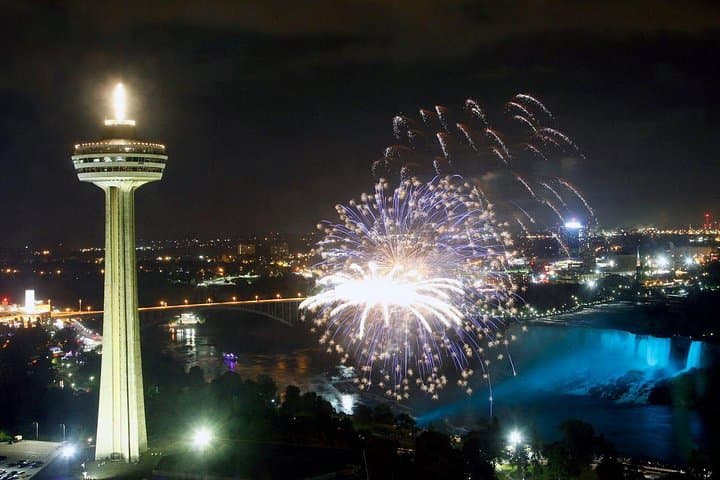
This tour threads both sides of the international border, tracing the geology that carved this place: the Niagara Escarpment’s dolostone cap, undercut by softer shale, which over millennia created the dramatic drop. Winter remakes the landscape — curtains of ice hang from cliffs, and spray scours rime into chandeliers. The route moves from the American Falls and Bridal Veil viewpoints to observation decks that show all three falls at once, then crosses the Lewiston–Queenston Bridge into Ontario for a different angle: Terrapin Point and the commanding view from the Skylon Tower.
History here is industrial and Indigenous. The Haudenosaunee people have long-held ties to the river; later, inventors and industrialists used the falls’ power to light cities. The tour pauses at the small powerplant museum to touch on Tesla and Edison, and at the Whirlpool for a geological lecture that makes clear why Niagara has been both a tourist magnet and an energy engine.
Practical travel notes are woven into the narrative: you’ll cross an international border, so a valid passport is required. The operator keeps groups small — up to seven guests — which means shorter lines and time to adjust the itinerary to weather and interests. Pickup and drop-off are anchored near the State Park, with hotel pickup available across the Niagara corridor.
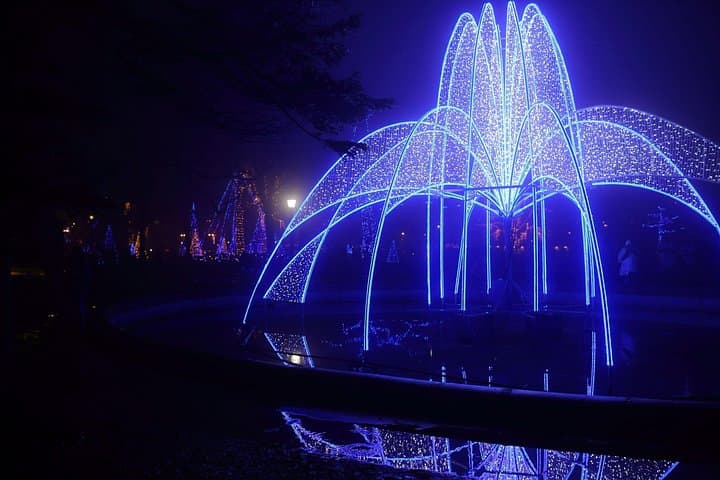
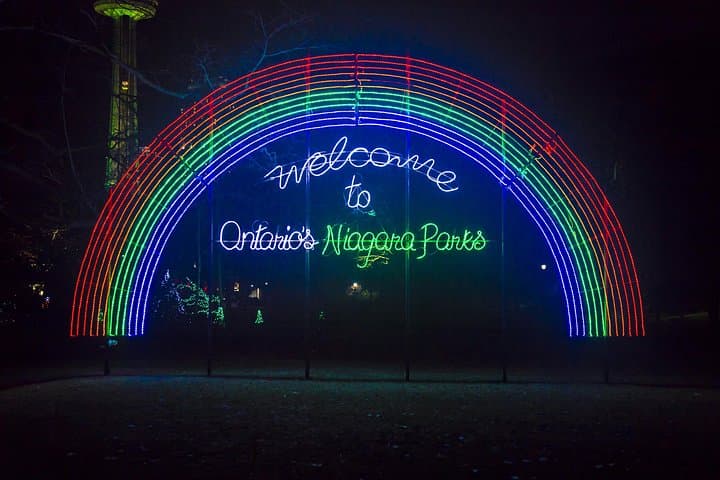
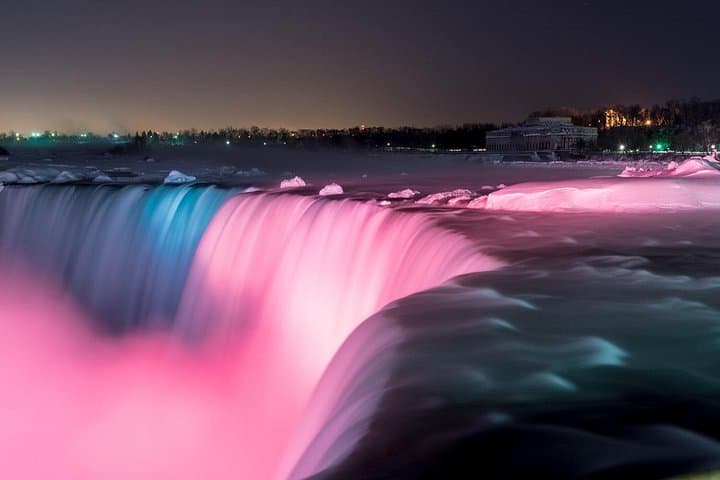
What to expect physically: easy walking on paved promenades and observation decks; winter surfaces can be icy so traction is important. Photography changes by light: daytime exposes the frozen edges and thunder of whitewater, while evening brings the Winter Festival of Lights and deeply saturated skies. Guides emphasize sustainability — stick to paths, don’t feed wildlife, and respect cross-border rules.
For travelers who want a compact, high-value introduction to Niagara’s winter personality, this tour balances spectacle and context. It’s part natural wonder show, part local history lesson, all paced to keep you warm and moving. With a small group and flexible guide, you leave with images of ice-made architecture, a clearer sense of the falls’ geologic past, and practical tips for exploring more of the region on your own.
Yes — the tour crosses into Canada. Bring a valid passport or other accepted travel documents and check visa requirements for your nationality.
The listing notes wheelchair accessibility for many areas; check with the supplier about specific viewpoints and museum access to confirm accommodations.
The operator may cancel for bad weather with a full refund if more than 24 hours’ notice is given; they may also alter the route for safety.
Most viewpoints and the powerplant/museum admission are included per the itinerary; confirm any optional attractions like tower elevators in advance.
Yes — the tour accepts families; strollers are allowed but some observation areas have stairs or tight passages.
Tipping is customary; 10–20% depending on service quality is a typical guideline.
Niagara Regional Tours operates guided outdoor trips and adventures with an emphasis on safety, stewardship, and memorable experiences.
Fog and steam rise like slow ghosts from the river as your minivan drops you at the Hard Rock Cafe across from Niagara Falls State Park. The air bites and carries the steady roar of the falls — a constant, patient force that demands notice. On this four-hour small-group outing, the guide frames the canyon with local stories while the Falls, half-ice, half-water, does the talking.
Fog and steam rise like slow ghosts from the river as your minivan drops you at the Hard Rock Cafe across from Niagara Falls State Park. The air bites and carries the steady roar of the falls — a constant, patient force that demands notice. On this four-hour small-group outing, the guide frames the canyon with local stories while the Falls, half-ice, half-water, does the talking.
This tour threads both sides of the international border, tracing the geology that carved this place: the Niagara Escarpment’s dolostone cap, undercut by softer shale, which over millennia created the dramatic drop. Winter remakes the landscape — curtains of ice hang from cliffs, and spray scours rime into chandeliers. The route moves from the American Falls and Bridal Veil viewpoints to observation decks that show all three falls at once, then crosses the Lewiston–Queenston Bridge into Ontario for a different angle: Terrapin Point and the commanding view from the Skylon Tower.
History here is industrial and Indigenous. The Haudenosaunee people have long-held ties to the river; later, inventors and industrialists used the falls’ power to light cities. The tour pauses at the small powerplant museum to touch on Tesla and Edison, and at the Whirlpool for a geological lecture that makes clear why Niagara has been both a tourist magnet and an energy engine.
Practical travel notes are woven into the narrative: you’ll cross an international border, so a valid passport is required. The operator keeps groups small — up to seven guests — which means shorter lines and time to adjust the itinerary to weather and interests. Pickup and drop-off are anchored near the State Park, with hotel pickup available across the Niagara corridor.
What to expect physically: easy walking on paved promenades and observation decks; winter surfaces can be icy so traction is important. Photography changes by light: daytime exposes the frozen edges and thunder of whitewater, while evening brings the Winter Festival of Lights and deeply saturated skies. Guides emphasize sustainability — stick to paths, don’t feed wildlife, and respect cross-border rules.
For travelers who want a compact, high-value introduction to Niagara’s winter personality, this tour balances spectacle and context. It’s part natural wonder show, part local history lesson, all paced to keep you warm and moving. With a small group and flexible guide, you leave with images of ice-made architecture, a clearer sense of the falls’ geologic past, and practical tips for exploring more of the region on your own.
