THE ADVENTURE COLLECTIVE® · Independent discovery and booking for outdoor travel

Experience Niagara Falls in its frost-coated season: a four-hour guided tour that pairs panoramic viewpoints and a brisk Gorge Walk with the interactive Niagara Power Vista. Expect icy scenery, roaring water, and accessible routes with thoughtful winter logistics.
Experience Niagara Falls in its frost-coated season: a four-hour guided tour that pairs panoramic viewpoints and a brisk Gorge Walk with the interactive Niagara Power Vista. Expect icy scenery, roaring water, and accessible routes with thoughtful winter logistics.
A wind that has worked on these rocks for millennia greets you long before the falls come into view. On a cold morning the mist rises like a living thing, frosting railings and turning trees into chandeliers of ice. The roar—constant, indifferent—grows until the first glimpse of white water and dark gorge snaps into place: Horseshoe and American Falls, half-hidden behind steam, a raw demonstration of water and gravity.
Verified experiences and guided adventures in the surrounding area.
Operated by Go Niagara Tours · Niagara Falls, New York
A wind that has worked on these rocks for millennia greets you long before the falls come into view. On a cold morning the mist rises like a living thing, frosting railings and turning trees into chandeliers of ice. The roar—constant, indifferent—grows until the first glimpse of white water and dark gorge snaps into place: Horseshoe and American Falls, half-hidden behind steam, a raw demonstration of water and gravity.
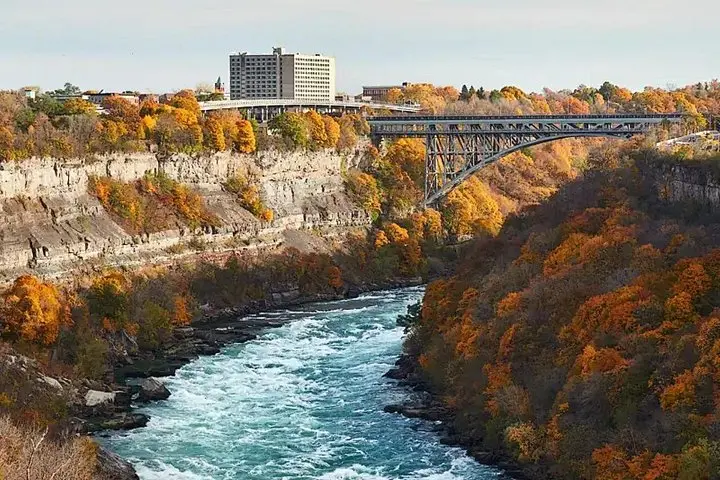
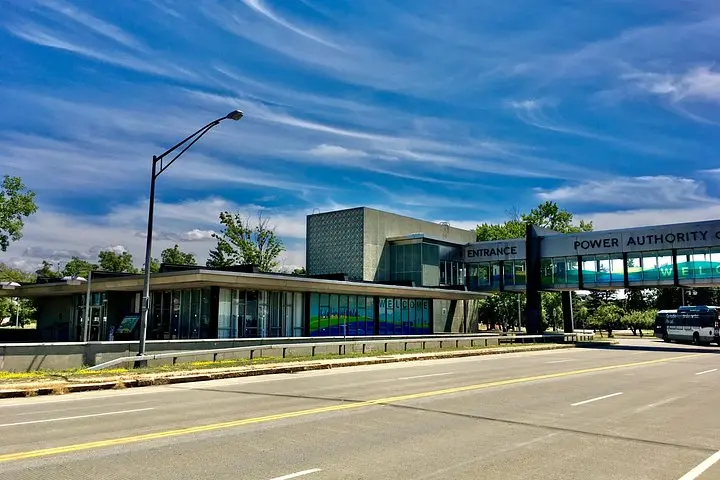
This four-hour tour moves from the outsized drama at Prospect Point and the Observation Tower to the quieter, iced-over trails of Goat Island and the Gorge Walk. Along the rim you can trace the story of the last Ice Age—glacial paths that scoured the escarpment and left a river eager to finish the work. Close to the water’s edge you’ll hear about the Indigenous people, early European settlers, and the engineers who tamed part of that force for power; the Niagara Power Project and its Power Vista interpretive center make the modern chapter both vivid and tactile.
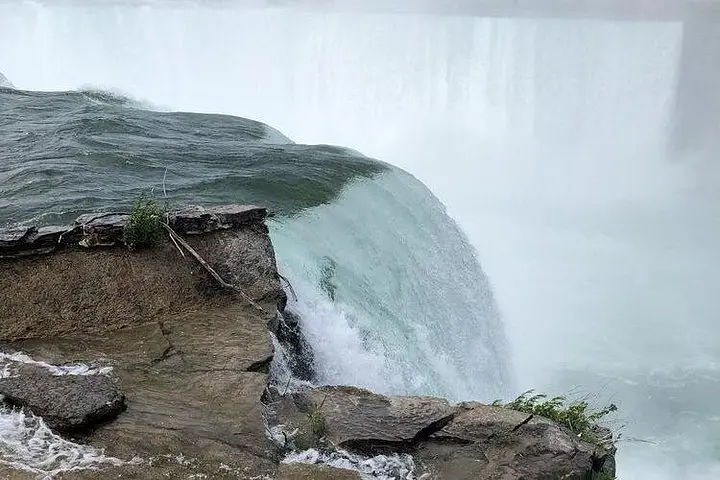
Geology and human history are braided here. The Falls will tell you about erosion rates and bedrock layers if you listen: dolomite caprock above softer shale explains the cliffing and plunge pools. On Goat Island, historic stone bridges and old canal works peek through snowdrifts; off the main path, Terrapin Point provides a front-row view of the Horseshoe Falls where spray can freeze into curtains of ice.
Culture in this border town is practical and seasonal—restaurants that cater to winter crowds, interpretive exhibits that double as warming rooms, and a surprising café ritual: a quick stop for hot chocolate and a muffin at Starbucks is included on this tour, a small civility against the cold.
Practical guidance: expect paved pathways and boardwalks that can be icy; the tour is accessible but requires careful footing. Dress in insulated, waterproof layers; bring microspikes or traction cleats and a windproof outer layer. The Observation Tower extends over the gorge—bring a camera with a lens cloth and waterproof protection. The Gorge Walk includes an indoor film at the World Changed Here Pavilion that summarizes the falls’ natural and technological history; the Power Vista adds hands-on exhibits about hydroelectricity.
Timing matters—late morning light in winter reduces glare on icy surfaces, and weekday visits cut crowding at Prospect Point. Accessibility is a strong point: much of the route and the bus pick-up/drop-off are wheelchair-friendly. The guide’s stories stitch the day together: daredevil lore, industrial triumphs, and the plain science of a river that keeps reshaping a landscape. In four hours you get both the spectacle and the context—the roar, the history, and the practical know-how to experience Niagara in cold weather with confidence.
The experience runs about four hours and includes stops at Prospect Point, the Observation Tower, Goat Island, Gorge Walk, Whirlpool State Park, and the Power Vista.
Yes—transportation, many viewing areas, and several paths are wheelchair accessible; inform the operator at booking to arrange pickup and assistance.
Admission fees, a hot drink and muffin at Starbucks, and transportation from your selected hotel lobby are included; other food and personal purchases are extra.
Insulated, waterproof boots, warm mid-layers, a windproof shell, hat and gloves, and microspikes for icy sections are recommended.
Yes—infants can ride in strollers and must sit on laps; the tour is family-friendly but watch children closely near railings and viewpoints.
The tour operates year-round; cancellation policy allows full refunds up to 24 hours before departure, but check with the operator for severe conditions.
Go Niagara Tours operates guided outdoor trips and adventures with an emphasis on safety, stewardship, and memorable experiences.
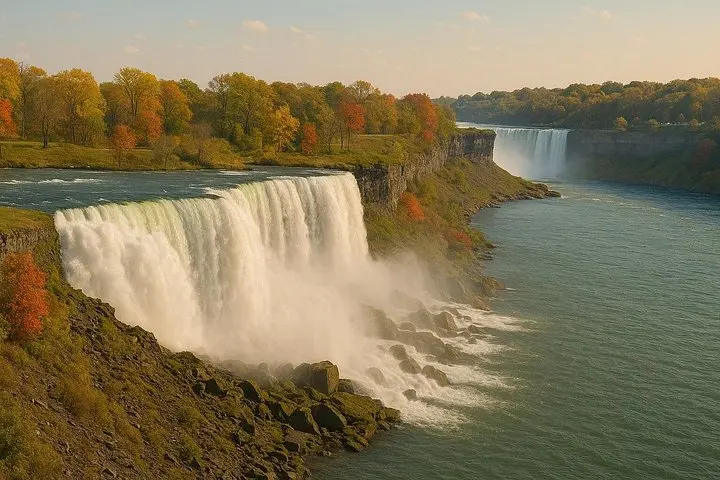
A wind that has worked on these rocks for millennia greets you long before the falls come into view. On a cold morning the mist rises like a living thing, frosting railings and turning trees into chandeliers of ice. The roar—constant, indifferent—grows until the first glimpse of white water and dark gorge snaps into place: Horseshoe and American Falls, half-hidden behind steam, a raw demonstration of water and gravity.
A wind that has worked on these rocks for millennia greets you long before the falls come into view. On a cold morning the mist rises like a living thing, frosting railings and turning trees into chandeliers of ice. The roar—constant, indifferent—grows until the first glimpse of white water and dark gorge snaps into place: Horseshoe and American Falls, half-hidden behind steam, a raw demonstration of water and gravity.
This four-hour tour moves from the outsized drama at Prospect Point and the Observation Tower to the quieter, iced-over trails of Goat Island and the Gorge Walk. Along the rim you can trace the story of the last Ice Age—glacial paths that scoured the escarpment and left a river eager to finish the work. Close to the water’s edge you’ll hear about the Indigenous people, early European settlers, and the engineers who tamed part of that force for power; the Niagara Power Project and its Power Vista interpretive center make the modern chapter both vivid and tactile.
Geology and human history are braided here. The Falls will tell you about erosion rates and bedrock layers if you listen: dolomite caprock above softer shale explains the cliffing and plunge pools. On Goat Island, historic stone bridges and old canal works peek through snowdrifts; off the main path, Terrapin Point provides a front-row view of the Horseshoe Falls where spray can freeze into curtains of ice.
Culture in this border town is practical and seasonal—restaurants that cater to winter crowds, interpretive exhibits that double as warming rooms, and a surprising café ritual: a quick stop for hot chocolate and a muffin at Starbucks is included on this tour, a small civility against the cold.
Practical guidance: expect paved pathways and boardwalks that can be icy; the tour is accessible but requires careful footing. Dress in insulated, waterproof layers; bring microspikes or traction cleats and a windproof outer layer. The Observation Tower extends over the gorge—bring a camera with a lens cloth and waterproof protection. The Gorge Walk includes an indoor film at the World Changed Here Pavilion that summarizes the falls’ natural and technological history; the Power Vista adds hands-on exhibits about hydroelectricity.
Timing matters—late morning light in winter reduces glare on icy surfaces, and weekday visits cut crowding at Prospect Point. Accessibility is a strong point: much of the route and the bus pick-up/drop-off are wheelchair-friendly. The guide’s stories stitch the day together: daredevil lore, industrial triumphs, and the plain science of a river that keeps reshaping a landscape. In four hours you get both the spectacle and the context—the roar, the history, and the practical know-how to experience Niagara in cold weather with confidence.