THE ADVENTURE COLLECTIVE® · Independent discovery and booking for outdoor travel

Explore the Great Cave at Niah National Park and an Iban longhouse in a single day. This guided tour combines prehistoric cave art, limestone chambers, and a cultural lunch for a full‑day immersion into Borneo’s living history.
Explore the Great Cave at Niah National Park and an Iban longhouse in a single day. This guided tour combines prehistoric cave art, limestone chambers, and a cultural lunch for a full‑day immersion into Borneo’s living history.
You step off the air‑conditioned shuttle into humidity that presses against your shirt like a warm hand. A boardwalk unspools into rainforest; leaves sway and the distant call of gibbons and the faint click of swiftlets guide you toward an opening in limestone that seems to breathe. Inside the Great Cave, columns rise like collapsed temple pillars and light from the entrance slices across dust and ancient bone.
Verified experiences and guided adventures in the surrounding area.
Operated by Brighton Travel & Tour Sdn Bhd · Batu Niah, Sarawak
You step off the air‑conditioned shuttle into humidity that presses against your shirt like a warm hand. A boardwalk unspools into rainforest; leaves sway and the distant call of gibbons and the faint click of swiftlets guide you toward an opening in limestone that seems to breathe. Inside the Great Cave, columns rise like collapsed temple pillars and light from the entrance slices across dust and ancient bone.
Niah National Park holds one of Southeast Asia’s most important prehistoric archives — cave deposits and paintings dating back tens of thousands of years. Geologically, the park is a karst landscape: soluble limestone sculpted into chambers, sinkholes, and narrow passageways where stalactites drip slowly and water still carves new features. Culturally, the trip pairs the cave’s deep time with the living traditions of the Iban. A longhouse visit offers a practical look at day‑to‑day life, woodcraft, and a communal ethnic lunch that complements the morning’s archaeology.
Expect uneven boardwalks, muddy stretches after rain, and sections where you stoop beneath low ceilings; swiftlets and bats wheel overhead, and local bird’s‑nest harvesting continues on sheer rock faces. Guides point out rock art, excavation finds, and the fragile ecosystems that surround the cave.
Practical: bring good‑grip shoes, a light headlamp, long sleeves to ward off insects, and water — the walking loop plus cultural stops makes for roughly a 10‑hour day including travel from Miri. Respect restricted areas inside the caves, follow your guide’s instructions, and conserve silence near rock art to preserve this living archive.
The full experience runs about 10 hours and typically includes transport from Miri, guided visits to the Niah Museum and major cave chambers, and an Iban longhouse lunch.
Children are allowed but must be supervised; the route includes uneven surfaces and some steps so it’s not recommended for those with serious mobility limitations.
Photography is generally allowed in most chambers, but follow guide instructions—flash may be restricted near paintings and sensitive areas.
The park is open year‑round but heavy rain can make trails slippery and increase mosquito activity; waterproofs and good footwear are advised.
Brighton Travel & Tour Sdn Bhd operates guided outdoor trips and adventures with an emphasis on safety, stewardship, and memorable experiences.
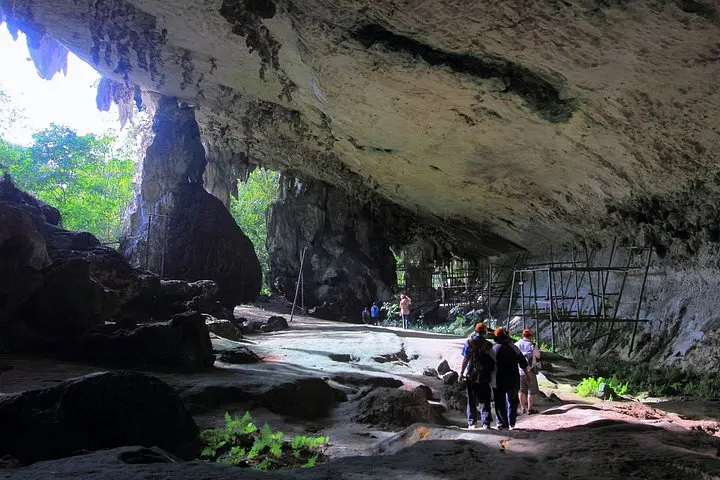
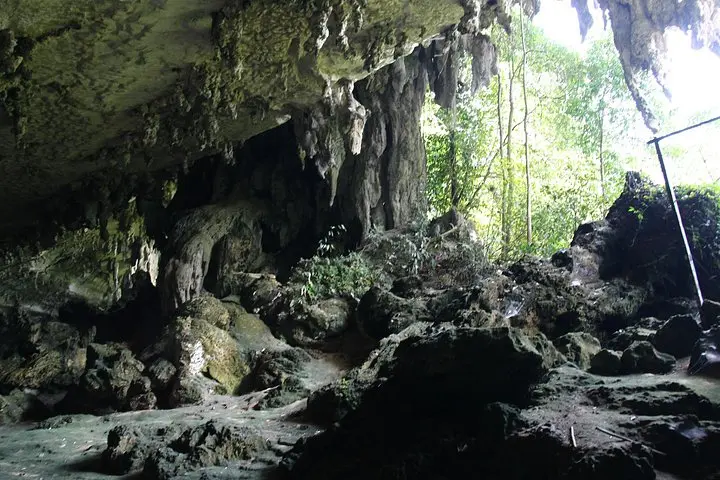
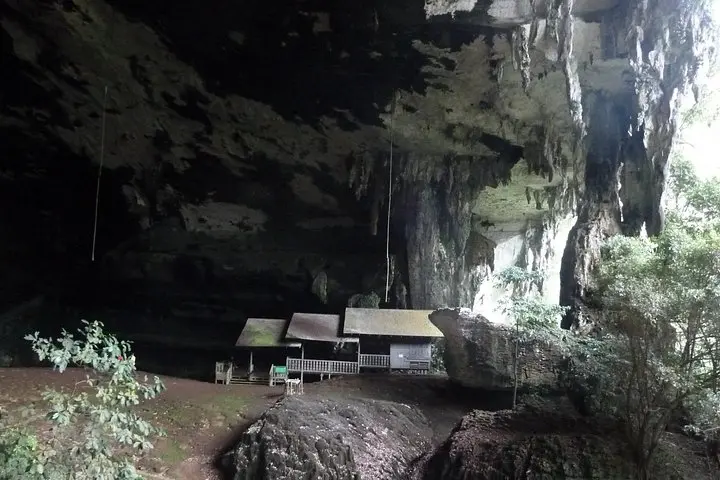
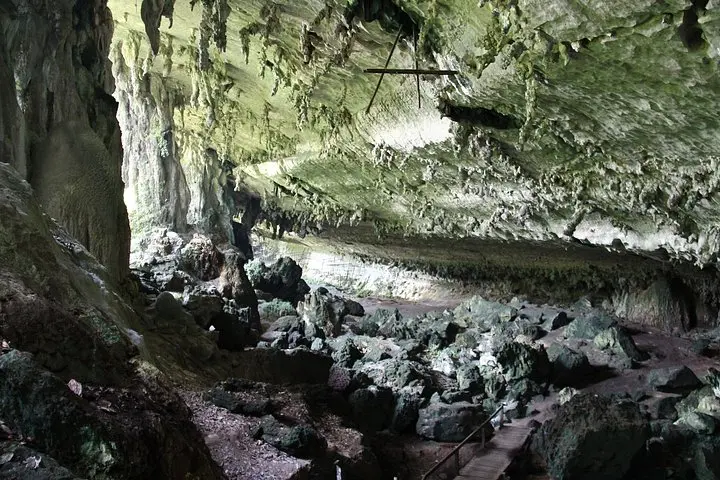
You step off the air‑conditioned shuttle into humidity that presses against your shirt like a warm hand. A boardwalk unspools into rainforest; leaves sway and the distant call of gibbons and the faint click of swiftlets guide you toward an opening in limestone that seems to breathe. Inside the Great Cave, columns rise like collapsed temple pillars and light from the entrance slices across dust and ancient bone.
You step off the air‑conditioned shuttle into humidity that presses against your shirt like a warm hand. A boardwalk unspools into rainforest; leaves sway and the distant call of gibbons and the faint click of swiftlets guide you toward an opening in limestone that seems to breathe. Inside the Great Cave, columns rise like collapsed temple pillars and light from the entrance slices across dust and ancient bone.
Niah National Park holds one of Southeast Asia’s most important prehistoric archives — cave deposits and paintings dating back tens of thousands of years. Geologically, the park is a karst landscape: soluble limestone sculpted into chambers, sinkholes, and narrow passageways where stalactites drip slowly and water still carves new features. Culturally, the trip pairs the cave’s deep time with the living traditions of the Iban. A longhouse visit offers a practical look at day‑to‑day life, woodcraft, and a communal ethnic lunch that complements the morning’s archaeology.
Expect uneven boardwalks, muddy stretches after rain, and sections where you stoop beneath low ceilings; swiftlets and bats wheel overhead, and local bird’s‑nest harvesting continues on sheer rock faces. Guides point out rock art, excavation finds, and the fragile ecosystems that surround the cave.
Practical: bring good‑grip shoes, a light headlamp, long sleeves to ward off insects, and water — the walking loop plus cultural stops makes for roughly a 10‑hour day including travel from Miri. Respect restricted areas inside the caves, follow your guide’s instructions, and conserve silence near rock art to preserve this living archive.