THE ADVENTURE COLLECTIVE® · Independent discovery and booking for outdoor travel

Take a full-day trip from Miri to Niah National Park to walk boardwalks through lowland rainforest, cross the Niah River by boat, and enter the Great Cave where 40,000-year-old human remains were found. This tour combines accessible hiking, cultural history and cave exploration with lunch and hotel transport included.
Take a full-day trip from Miri to Niah National Park to walk boardwalks through lowland rainforest, cross the Niah River by boat, and enter the Great Cave where 40,000-year-old human remains were found. This tour combines accessible hiking, cultural history and cave exploration with lunch and hotel transport included.
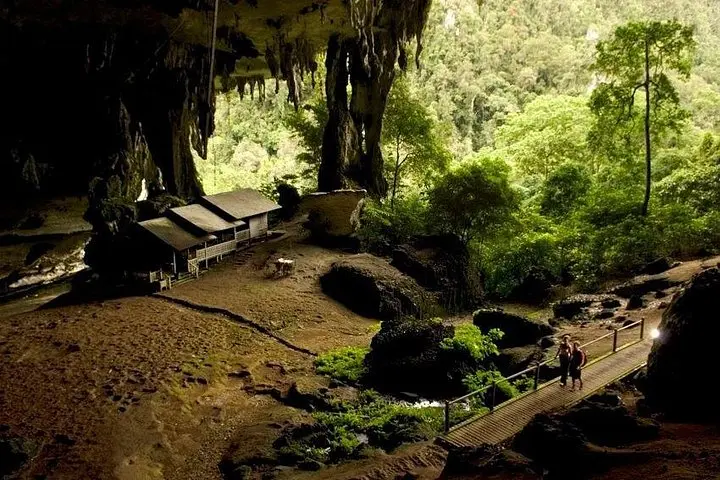
You step off the minivan into humid air and the river ahead seems to pull at your boots, eager to carry you across to the park. A short boat ride shoves you toward a narrow boardwalk that threads through lowland forest; leaves slap the planks like a quiet crowd as you head for the cave mouth.
Verified experiences and guided adventures in the surrounding area.
Operated by Asian Overland Services Tours & Travel · Miri, Sarawak
You step off the minivan into humid air and the river ahead seems to pull at your boots, eager to carry you across to the park. A short boat ride shoves you toward a narrow boardwalk that threads through lowland forest; leaves slap the planks like a quiet crowd as you head for the cave mouth.
Niah National Park sits on 3,102 hectares of limestone and dipterocarp forest in Sarawak, dominated by the modest peak of Gunung Subis (394 m). Its Great Cave held human activity as far back as 40,000 years, and the museum displays tools, bones and a remarkably preserved homo sapiens skull that rewired ideas about Southeast Asian prehistory.
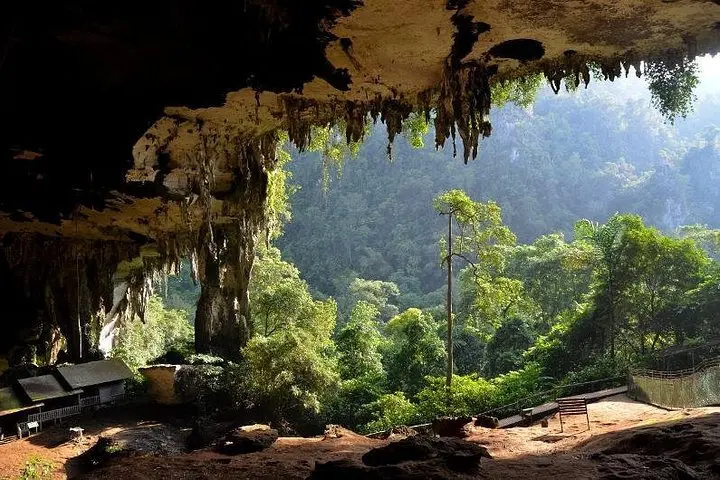
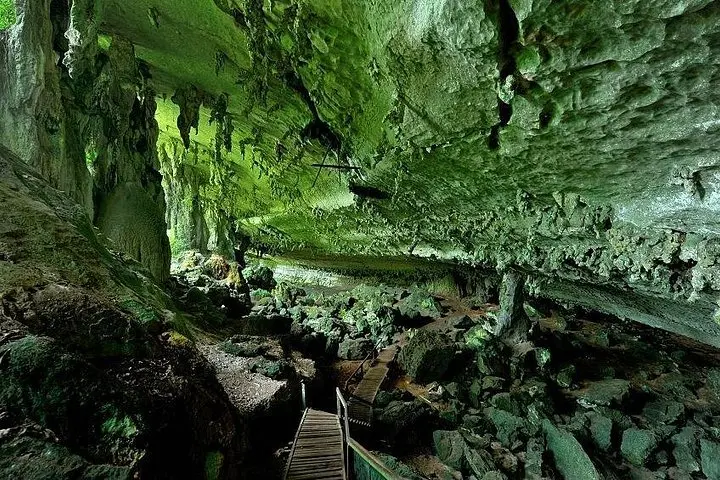
The karst landscape makes for dramatic entrances: towering cave mouths, stalactites that drip with patient time, and gallery rooms once used by traders and residents through centuries. Local Penan and Berawan histories intersect here—bird-nest collectors and archaeologists have both left marks on the site—and the park's plankwalks protect sensitive peat and limestone vegetation as well as swiftlet colonies.
Practically, this is a full-day, moderate walking tour from Miri (about 90 minutes each way). Expect wet floors, tight cave passages and lots of steps. Bring a lightweight rain shell, insect repellent and sturdy shoes; the boat crossing can splash and cave floors are slick. Lunch is provided at the park café, but pack small bills for souvenirs or extra drinks. Guides handle permits and timing; stick to marked paths to protect fragile cultural deposits and minimize impact on nesting birds. The trip is a compact mix of natural drama and deep human history—accessible, physical, and quietly profound.
The drive is roughly 90 minutes each way depending on traffic and pickup locations; the full tour runs about eight hours including transit.
Some sections involve stairs and uneven rock; most are accessible to people in reasonable health but those with serious mobility issues may find parts challenging.
A local park café lunch is included; mention dietary restrictions when booking so the operator can attempt accommodations.
Yes—photography is allowed in most areas, but avoid flash on delicate archaeological displays and respect barriers around sensitive sites.
Asian Overland Services Tours & Travel operates guided outdoor trips and adventures with an emphasis on safety, stewardship, and memorable experiences.
You step off the minivan into humid air and the river ahead seems to pull at your boots, eager to carry you across to the park. A short boat ride shoves you toward a narrow boardwalk that threads through lowland forest; leaves slap the planks like a quiet crowd as you head for the cave mouth.
You step off the minivan into humid air and the river ahead seems to pull at your boots, eager to carry you across to the park. A short boat ride shoves you toward a narrow boardwalk that threads through lowland forest; leaves slap the planks like a quiet crowd as you head for the cave mouth.
Niah National Park sits on 3,102 hectares of limestone and dipterocarp forest in Sarawak, dominated by the modest peak of Gunung Subis (394 m). Its Great Cave held human activity as far back as 40,000 years, and the museum displays tools, bones and a remarkably preserved homo sapiens skull that rewired ideas about Southeast Asian prehistory.
The karst landscape makes for dramatic entrances: towering cave mouths, stalactites that drip with patient time, and gallery rooms once used by traders and residents through centuries. Local Penan and Berawan histories intersect here—bird-nest collectors and archaeologists have both left marks on the site—and the park's plankwalks protect sensitive peat and limestone vegetation as well as swiftlet colonies.
Practically, this is a full-day, moderate walking tour from Miri (about 90 minutes each way). Expect wet floors, tight cave passages and lots of steps. Bring a lightweight rain shell, insect repellent and sturdy shoes; the boat crossing can splash and cave floors are slick. Lunch is provided at the park café, but pack small bills for souvenirs or extra drinks. Guides handle permits and timing; stick to marked paths to protect fragile cultural deposits and minimize impact on nesting birds. The trip is a compact mix of natural drama and deep human history—accessible, physical, and quietly profound.