THE ADVENTURE COLLECTIVE® · Independent discovery and booking for outdoor travel

Float into Cancun’s mangrove maze on a two-hour guided kayak through Nichupté Lagoon. Observe birds, juvenile fish and the root systems that protect the coast while learning why this ecosystem matters.
Float into Cancun’s mangrove maze on a two-hour guided kayak through Nichupté Lagoon. Observe birds, juvenile fish and the root systems that protect the coast while learning why this ecosystem matters.
You push off a quiet shoreline inside Cancun’s Hotel Zone and the city’s hum falls away; the mangroves close like a living corridor, branches dipping to dare your paddle to pass. For two hours you follow a guide into winding channels where sunlight fragments over black mangrove roots and kingfishers pause like punctuation marks.
Verified experiences and guided adventures in the surrounding area.
Operated by New Choice Travel · Cancun, Quintana Roo
You push off a quiet shoreline inside Cancun’s Hotel Zone and the city’s hum falls away; the mangroves close like a living corridor, branches dipping to dare your paddle to pass. For two hours you follow a guide into winding channels where sunlight fragments over black mangrove roots and kingfishers pause like punctuation marks.
Nichupté Lagoon formed as coastal processes and fluctuating sea levels created a brackish network that shelters juvenile fish and migratory birds. The mangrove trees themselves are engineer-species—stilted roots trap sediment and protect the coastline—while the lagoon sits alongside modern Cancun, a place where Maya settlements once used coastal resources and small fishing communities still read the tides.
Expect close encounters with herons, frigatebirds and territorial crabs; the water alternates between glassy stillness and faint tidal pulls that help your kayak glide. Guides point out species and explain why mangroves matter for storm protection and fisheries.
Practical edge: trips are typically two hours, suitable for beginners, and use stable single or double kayaks with mandatory life jackets. Mornings or late afternoons offer cooler temperatures and better wildlife activity; mid-day can be hot and bright. Bring a reusable water bottle, reef-safe sunscreen, insect repellent, a dry bag for your phone and lightweight shoes that get wet. Follow your guide’s briefing on paddling technique and leave no trace—these channels are fragile and recovery can take decades.
No—this tour uses stable single or double kayaks and guides provide a safety and paddling briefing suitable for beginners.
Yes; life jackets are mandatory and provided by the operator for all participants.
Children under 8 cannot participate; check with the operator for age and weight limits for doubles.
Light, quick‑dry clothing, a hat, reef‑safe sunscreen, and water shoes are recommended; bring a small dry bag for valuables.
New Choice Travel operates guided outdoor trips and adventures with an emphasis on safety, stewardship, and memorable experiences.
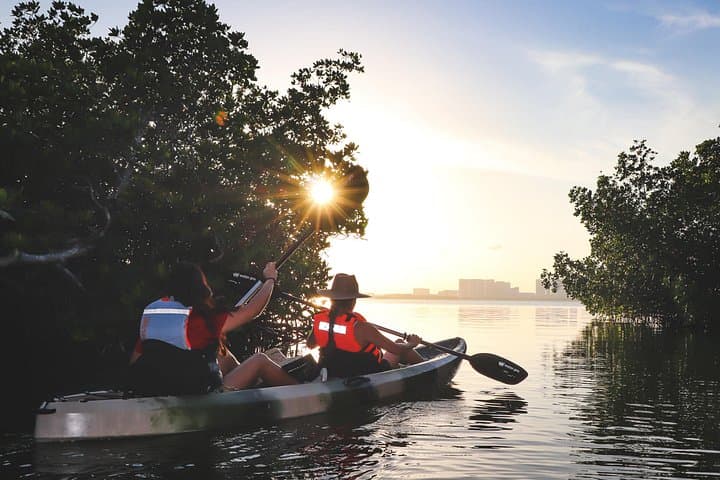

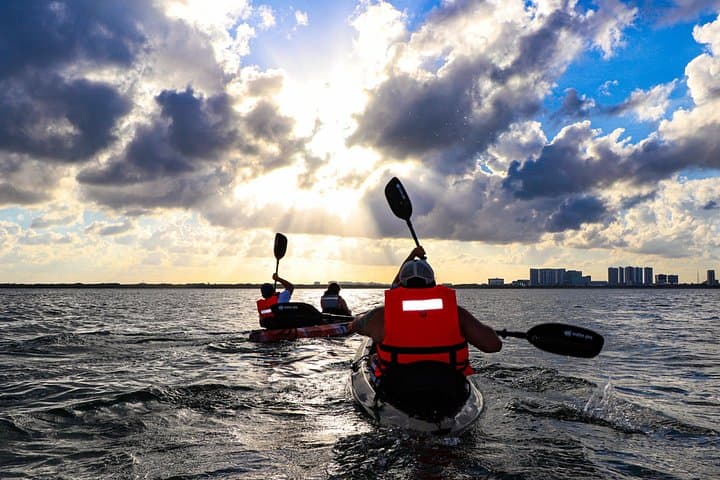
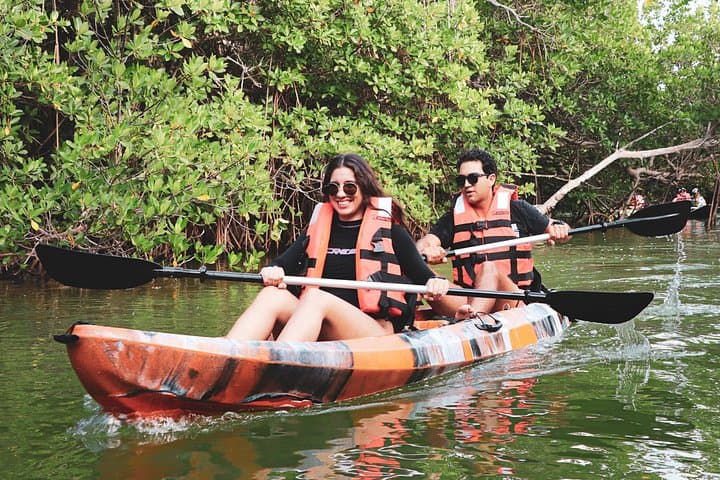
You push off a quiet shoreline inside Cancun’s Hotel Zone and the city’s hum falls away; the mangroves close like a living corridor, branches dipping to dare your paddle to pass. For two hours you follow a guide into winding channels where sunlight fragments over black mangrove roots and kingfishers pause like punctuation marks.
You push off a quiet shoreline inside Cancun’s Hotel Zone and the city’s hum falls away; the mangroves close like a living corridor, branches dipping to dare your paddle to pass. For two hours you follow a guide into winding channels where sunlight fragments over black mangrove roots and kingfishers pause like punctuation marks.
Nichupté Lagoon formed as coastal processes and fluctuating sea levels created a brackish network that shelters juvenile fish and migratory birds. The mangrove trees themselves are engineer-species—stilted roots trap sediment and protect the coastline—while the lagoon sits alongside modern Cancun, a place where Maya settlements once used coastal resources and small fishing communities still read the tides.
Expect close encounters with herons, frigatebirds and territorial crabs; the water alternates between glassy stillness and faint tidal pulls that help your kayak glide. Guides point out species and explain why mangroves matter for storm protection and fisheries.
Practical edge: trips are typically two hours, suitable for beginners, and use stable single or double kayaks with mandatory life jackets. Mornings or late afternoons offer cooler temperatures and better wildlife activity; mid-day can be hot and bright. Bring a reusable water bottle, reef-safe sunscreen, insect repellent, a dry bag for your phone and lightweight shoes that get wet. Follow your guide’s briefing on paddling technique and leave no trace—these channels are fragile and recovery can take decades.