THE ADVENTURE COLLECTIVE® · Independent discovery and booking for outdoor travel

Ride a camel into the orange-graded ridges of Erg Chebbi, sleep in a private Berber tent, and greet the desert sunrise. This overnight in Merzouga blends sandboarding, live music and traditional hospitality with easy logistics for first-time desert travelers.
Ride a camel into the orange-graded ridges of Erg Chebbi, sleep in a private Berber tent, and greet the desert sunrise. This overnight in Merzouga blends sandboarding, live music and traditional hospitality with easy logistics for first-time desert travelers.
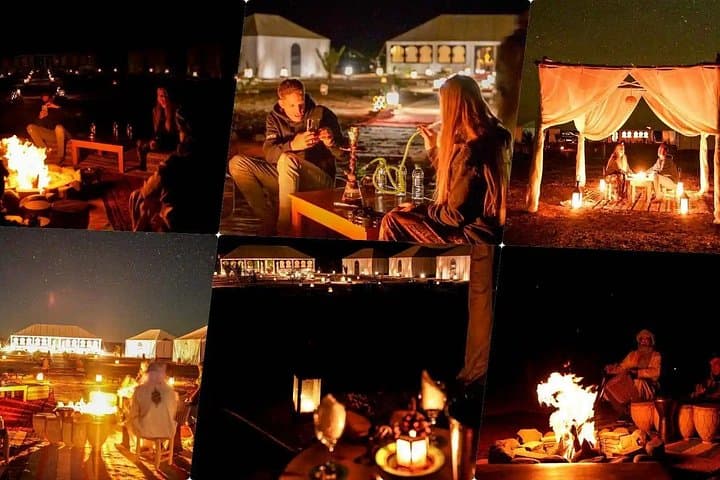
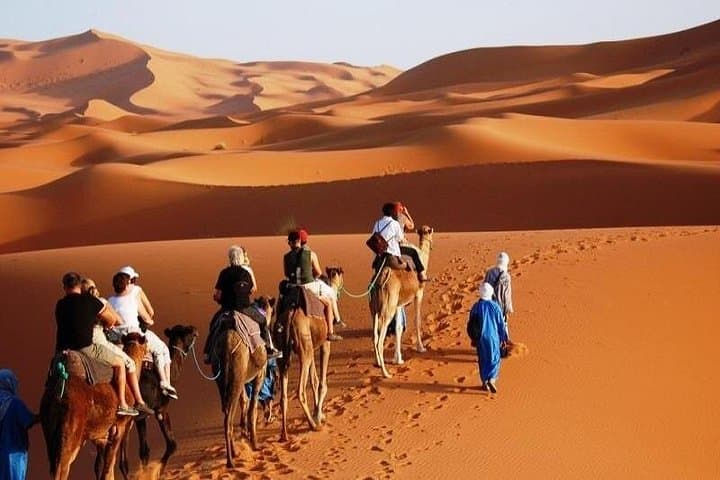
The sun leans low and the sand takes on a molten glow as a camel caravan threads a ridge of Erg Chebbi—each step a slow, rhythmic negotiation with the dunes. You arrive at a private Berber camp as the sky cools; distant drums and the smell of spiced tagine fold into night.
Verified experiences and guided adventures in the surrounding area.
Operated by Morocco Safari Desert · Merzouga, Drâa-Tafilalet
The sun leans low and the sand takes on a molten glow as a camel caravan threads a ridge of Erg Chebbi—each step a slow, rhythmic negotiation with the dunes. You arrive at a private Berber camp as the sky cools; distant drums and the smell of spiced tagine fold into night.
Erg Chebbi is one of Morocco’s largest dune seas, its tallest crests rising roughly 100–150 meters and shaped by winds that have leaned the Sahara into sweeping waves for millennia. The region is traditionally Amazigh (Berber), and families here still maintain desert skills—camel handling, tent-making and music passed down through generations—blending hospitality with practical know-how.
Expect an evening of simple luxury: private tents on packed sand, a shared dinner by fire, live Gnawa and Amazigh rhythms, then an early morning walk to watch sunrise set the dunes ablaze again. Sandboarding and a guided camel transfer bring tactile contrast: the slow sway of camelback versus the quick slide down a dune face.
Practical notes: rides to camp typically range from 45–90 minutes depending on where you start; bring sturdy, closed-toe shoes for climbing dunes, ample water, sun protection and layers for cold desert nights. Travelers with serious back or heart conditions should avoid long camel rides. Book a private tent if you want more comfort, and plan arrivals in mid-afternoon to capture both sunset and the cooler evening weather.
This overnight is as much about quiet horizon time as it is about motion—an accessible, sensory way to experience Sahara life without technical demands.
Camel transfer times vary by meeting point but typically take about 45–90 minutes each way; guides adjust pace for comfort.
Yes—traditional dinner, breakfast, tea/coffee and a private tent are included with this overnight experience.
No—sandboarding is beginner-friendly; most groups use simple boards and shorter slopes so newcomers can stand or sit rides down.
Children can participate but infants must sit on laps; travelers with spinal or serious heart conditions should avoid camel rides and consult a doctor first.
Morocco Safari Desert operates guided outdoor trips and adventures with an emphasis on safety, stewardship, and memorable experiences.


The sun leans low and the sand takes on a molten glow as a camel caravan threads a ridge of Erg Chebbi—each step a slow, rhythmic negotiation with the dunes. You arrive at a private Berber camp as the sky cools; distant drums and the smell of spiced tagine fold into night.
The sun leans low and the sand takes on a molten glow as a camel caravan threads a ridge of Erg Chebbi—each step a slow, rhythmic negotiation with the dunes. You arrive at a private Berber camp as the sky cools; distant drums and the smell of spiced tagine fold into night.
Erg Chebbi is one of Morocco’s largest dune seas, its tallest crests rising roughly 100–150 meters and shaped by winds that have leaned the Sahara into sweeping waves for millennia. The region is traditionally Amazigh (Berber), and families here still maintain desert skills—camel handling, tent-making and music passed down through generations—blending hospitality with practical know-how.
Expect an evening of simple luxury: private tents on packed sand, a shared dinner by fire, live Gnawa and Amazigh rhythms, then an early morning walk to watch sunrise set the dunes ablaze again. Sandboarding and a guided camel transfer bring tactile contrast: the slow sway of camelback versus the quick slide down a dune face.
Practical notes: rides to camp typically range from 45–90 minutes depending on where you start; bring sturdy, closed-toe shoes for climbing dunes, ample water, sun protection and layers for cold desert nights. Travelers with serious back or heart conditions should avoid long camel rides. Book a private tent if you want more comfort, and plan arrivals in mid-afternoon to capture both sunset and the cooler evening weather.
This overnight is as much about quiet horizon time as it is about motion—an accessible, sensory way to experience Sahara life without technical demands.