THE ADVENTURE COLLECTIVE® · Independent discovery and booking for outdoor travel

Dive the famous Tugboat wreck under a sky of stars — a guided 90‑minute night dive that switches the reef’s daytime rhythms for nocturnal drama. Learn sea‑life behaviors, see octopus and morays, and support local reef restoration while diving safely from a shore entry.
Dive the famous Tugboat wreck under a sky of stars — a guided 90‑minute night dive that switches the reef’s daytime rhythms for nocturnal drama. Learn sea‑life behaviors, see octopus and morays, and support local reef restoration while diving safely from a shore entry.
You slip into warm Caribbean water as the last light slides off the reef. The Tugboat's silhouette becomes a shadowy monument that seems to breathe with the current; your torch cuts a tunnel through blue and reveals eyes, shells, and the slow choreography of nocturnal reef life.
Verified experiences and guided adventures in the surrounding area.
Operated by Scuba Diving in Curacao · Willemstad, Curaçao
You slip into warm Caribbean water as the last light slides off the reef. The Tugboat's silhouette becomes a shadowy monument that seems to breathe with the current; your torch cuts a tunnel through blue and reveals eyes, shells, and the slow choreography of nocturnal reef life.
Tugboat Beach sits on the sheltered side of Curaçao’s southern coast near Willemstad, where a small training wreck was scuttled decades ago and quickly became an artificial reef. Geologically, the island’s limestone shelf drops away gently here, creating shallow wreck depths (generally 8–15 m) and a broad fringing reef. Culturally, dives around Willemstad echo Curaçao’s maritime history — fishing communities, colonial harbors, and modern conservation projects that aim to restore coral and protect nurseries.
At night the reef personality shifts: moray eels emerge like furtive hunters, octopuses unfurl curious arms, and crustaceans patrol crevices. Guides point lights into holes and explain coral restoration markers and local species identification as part of the experience.
Practical guidance: expect a 90‑minute activity that includes briefing, shore entry, and a guided 40–60 minute bottom time. Basic open water skills are required; operators often adapt to less experienced divers with close supervision. Bring a primary dive light, backup, and a surface marker; practice buoyancy to avoid touching coral. Book an evening slot to avoid daytime crowds and allow time for a safety stop under the stars. Respect marked restoration areas and follow your guide’s instructions for a safe, immersive night dive at one of Curaçao’s most characterful wreck sites.
Most operators require Open Water certification for a night boat or shore dive; some offer guided intro dives with extra supervision — confirm with the shop before booking.
The Tugboat sits in shallow water, generally between 8 and 15 meters (25–50 feet), making it accessible for many certified divers and ideal for night exploration.
Expect nocturnal species such as octopus, moray eels, crustaceans, and night-feeding reef fish that are less visible during the day.
With a professional guide, small group sizes, and proper briefing, beginners can safely experience a night dive, though basic scuba comfort and skills are required.
Scuba Diving in Curacao operates guided outdoor trips and adventures with an emphasis on safety, stewardship, and memorable experiences.
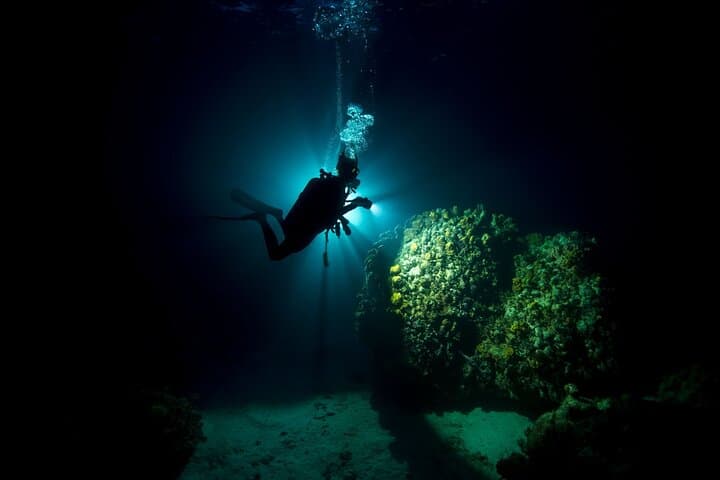
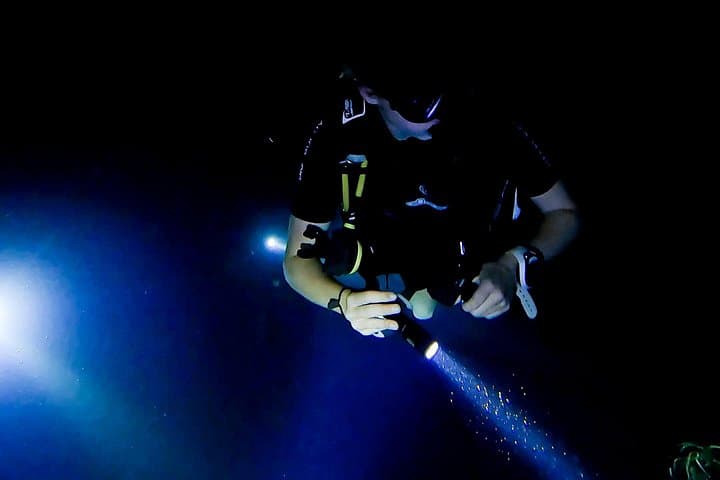
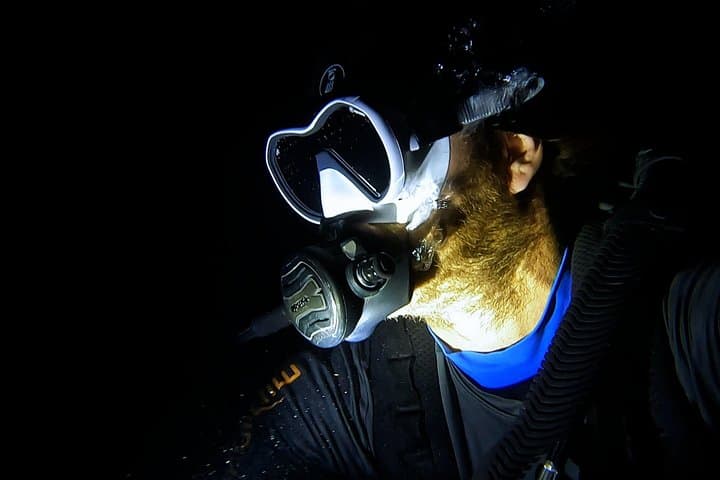
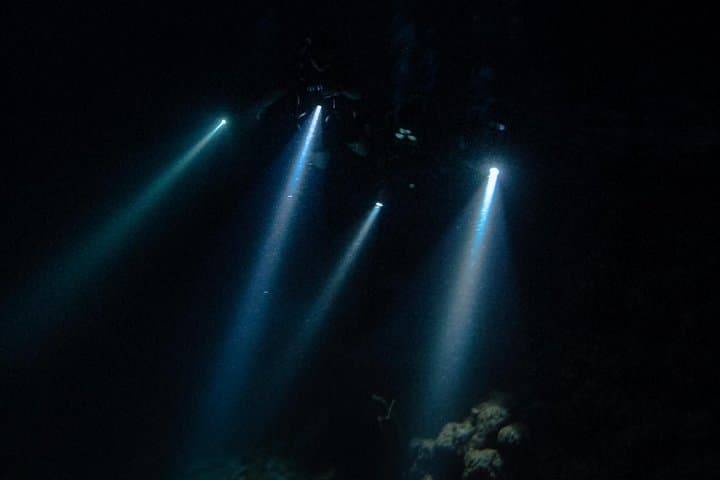
You slip into warm Caribbean water as the last light slides off the reef. The Tugboat's silhouette becomes a shadowy monument that seems to breathe with the current; your torch cuts a tunnel through blue and reveals eyes, shells, and the slow choreography of nocturnal reef life.
You slip into warm Caribbean water as the last light slides off the reef. The Tugboat's silhouette becomes a shadowy monument that seems to breathe with the current; your torch cuts a tunnel through blue and reveals eyes, shells, and the slow choreography of nocturnal reef life.
Tugboat Beach sits on the sheltered side of Curaçao’s southern coast near Willemstad, where a small training wreck was scuttled decades ago and quickly became an artificial reef. Geologically, the island’s limestone shelf drops away gently here, creating shallow wreck depths (generally 8–15 m) and a broad fringing reef. Culturally, dives around Willemstad echo Curaçao’s maritime history — fishing communities, colonial harbors, and modern conservation projects that aim to restore coral and protect nurseries.
At night the reef personality shifts: moray eels emerge like furtive hunters, octopuses unfurl curious arms, and crustaceans patrol crevices. Guides point lights into holes and explain coral restoration markers and local species identification as part of the experience.
Practical guidance: expect a 90‑minute activity that includes briefing, shore entry, and a guided 40–60 minute bottom time. Basic open water skills are required; operators often adapt to less experienced divers with close supervision. Bring a primary dive light, backup, and a surface marker; practice buoyancy to avoid touching coral. Book an evening slot to avoid daytime crowds and allow time for a safety stop under the stars. Respect marked restoration areas and follow your guide’s instructions for a safe, immersive night dive at one of Curaçao’s most characterful wreck sites.