THE ADVENTURE COLLECTIVE® · Independent discovery and booking for outdoor travel

Wander a 3 km guided night trail through Gandoca-Manzanillo’s coastal rainforest and encounter tarantulas, frogs, kinkajous, sloths and nocturnal birds. This accessible, low-difficulty walk emphasizes quiet observation, safety, and local conservation.
Wander a 3 km guided night trail through Gandoca-Manzanillo’s coastal rainforest and encounter tarantulas, frogs, kinkajous, sloths and nocturnal birds. This accessible, low-difficulty walk emphasizes quiet observation, safety, and local conservation.
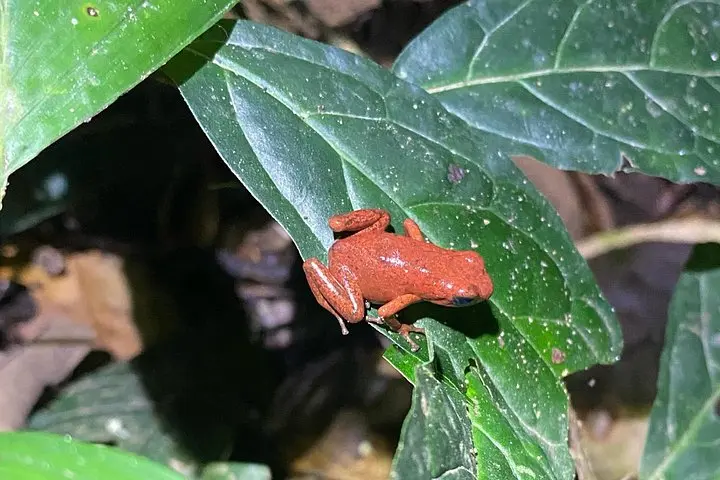
A warm, humid night presses in as headlamps pick out slick leaves and the glint of amphibian eyes along the narrow trail. You walk slowly — the forest rearranges itself after dusk: frogs sing from puddles, owls call from the canopy and the occasional rustle reveals a sloth or a kinkajou moving high above.
Verified experiences and guided adventures in the surrounding area.
Operated by Tour Guide Haniel Rodríguez · Manzanillo, Limón
A warm, humid night presses in as headlamps pick out slick leaves and the glint of amphibian eyes along the narrow trail. You walk slowly — the forest rearranges itself after dusk: frogs sing from puddles, owls call from the canopy and the occasional rustle reveals a sloth or a kinkajou moving high above.
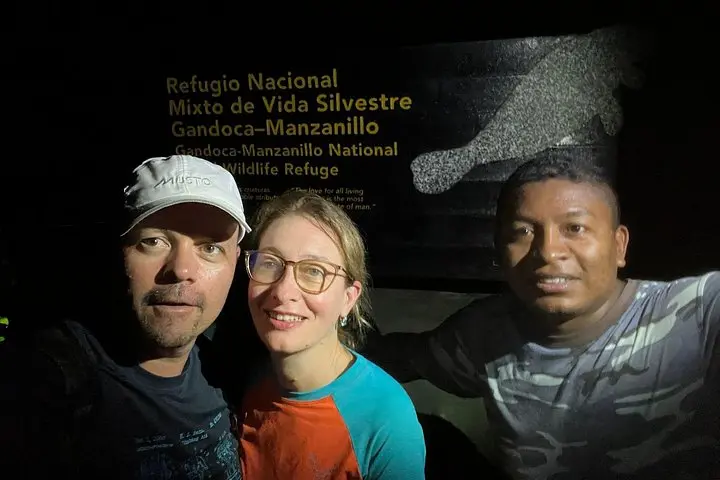
Gandoca-Manzanillo protects coastal lowland rainforest, mangrove lagoons and a short, rugged coastline shaped by recent marine terraces and riverine sediment. The refuge was created in the late 20th century to safeguard both terrestrial and marine species and sits within the traditional territory of Talamanca Indigenous groups, whose knowledge of local wildlife informs modern conservation.
On a 3 km guided route through primary and secondary forest you’ll focus on nocturnal fauna — tarantulas, snakes, basilisk lizards, caimans in quiet pools and a chorus of tree frogs. The geology is forgiving: mostly flat with muddy patches and exposed roots, but biodiversity is intense and concentrated.
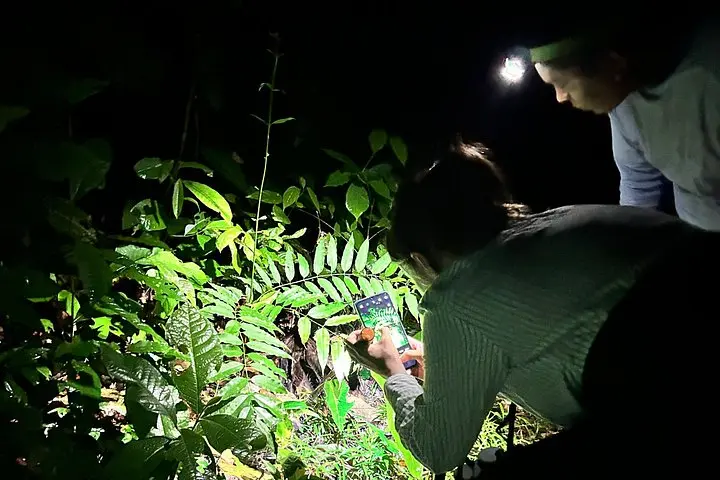
Practical guidance: wear closed-toe shoes with good grip, use a reliable headlamp and bring insect repellent and a lightweight rain layer. Keep camera flash to a minimum; guides often use low-beam lights to reduce disturbance. Groups are small and the pace is deliberate — this is an observation walk, not a sprint. Expect three hours on uneven, humid ground; hydration and steady footing matter more than speed. Respect closures, stay with the guide, and let the forest do the talking — at night it’s both quiet theater and strict classroom.
The guided route is about 3 km and rated easy; the pace is slow for wildlife viewing but the path is uneven and can be muddy.
Yes—families are welcome but infants should sit on laps and children should be supervised; guides adapt pace for younger walkers.
Encounters with snakes and tarantulas are possible; guides manage safety, keep groups on trail and advise how to observe without provoking animals.
Yes, but avoid bright flash; low-light settings, a tripod or asking the guide for timed stops produces better photos with less wildlife disturbance.
Tour Guide Haniel Rodríguez operates guided outdoor trips and adventures with an emphasis on safety, stewardship, and memorable experiences.
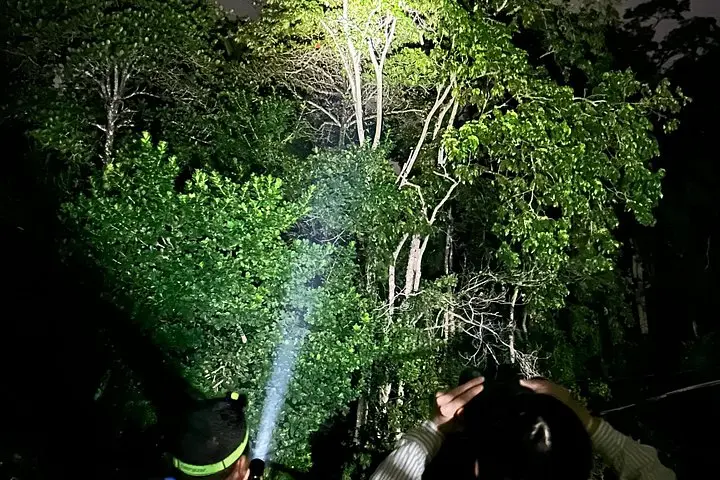
A warm, humid night presses in as headlamps pick out slick leaves and the glint of amphibian eyes along the narrow trail. You walk slowly — the forest rearranges itself after dusk: frogs sing from puddles, owls call from the canopy and the occasional rustle reveals a sloth or a kinkajou moving high above.
A warm, humid night presses in as headlamps pick out slick leaves and the glint of amphibian eyes along the narrow trail. You walk slowly — the forest rearranges itself after dusk: frogs sing from puddles, owls call from the canopy and the occasional rustle reveals a sloth or a kinkajou moving high above.
Gandoca-Manzanillo protects coastal lowland rainforest, mangrove lagoons and a short, rugged coastline shaped by recent marine terraces and riverine sediment. The refuge was created in the late 20th century to safeguard both terrestrial and marine species and sits within the traditional territory of Talamanca Indigenous groups, whose knowledge of local wildlife informs modern conservation.
On a 3 km guided route through primary and secondary forest you’ll focus on nocturnal fauna — tarantulas, snakes, basilisk lizards, caimans in quiet pools and a chorus of tree frogs. The geology is forgiving: mostly flat with muddy patches and exposed roots, but biodiversity is intense and concentrated.
Practical guidance: wear closed-toe shoes with good grip, use a reliable headlamp and bring insect repellent and a lightweight rain layer. Keep camera flash to a minimum; guides often use low-beam lights to reduce disturbance. Groups are small and the pace is deliberate — this is an observation walk, not a sprint. Expect three hours on uneven, humid ground; hydration and steady footing matter more than speed. Respect closures, stay with the guide, and let the forest do the talking — at night it’s both quiet theater and strict classroom.