THE ADVENTURE COLLECTIVE® · Independent discovery and booking for outdoor travel

Walk Rainmaker Park after dark with a certified guide, spotting frogs, bats, spiders and owls while dinner and transfers are included. This intimate night tour blends hands-on natural history with practical logistics for first-time wildlife watchers.
Walk Rainmaker Park after dark with a certified guide, spotting frogs, bats, spiders and owls while dinner and transfers are included. This intimate night tour blends hands-on natural history with practical logistics for first-time wildlife watchers.
The trail opens under a velvet sky; headlamps carve a narrow tunnel through trunks that seem to breathe. On Rainmaker Park’s night tour a certified naturalist guides you along narrow boardwalks, where frogs call like soft alarms and the forest leans close, curious.
Verified experiences and guided adventures in the surrounding area.
Operated by Costa Rica Jade Tours · Quepos, Puntarenas
The trail opens under a velvet sky; headlamps carve a narrow tunnel through trunks that seem to breathe. On Rainmaker Park’s night tour a certified naturalist guides you along narrow boardwalks, where frogs call like soft alarms and the forest leans close, curious.
Rainmaker sits on low coastal slopes above Quepos and Manuel Antonio, part of the Puntarenas region’s humid rainforest belt. Geologically the area is young volcanic soil, rich and well-draining, which supports a dense understory and a high diversity of amphibians — including the harlequin frog that brought researchers here. The culture of nearby Quepos is fishing-and-forest centered, and conservation projects such as Rainmaker blend community tourism with research.
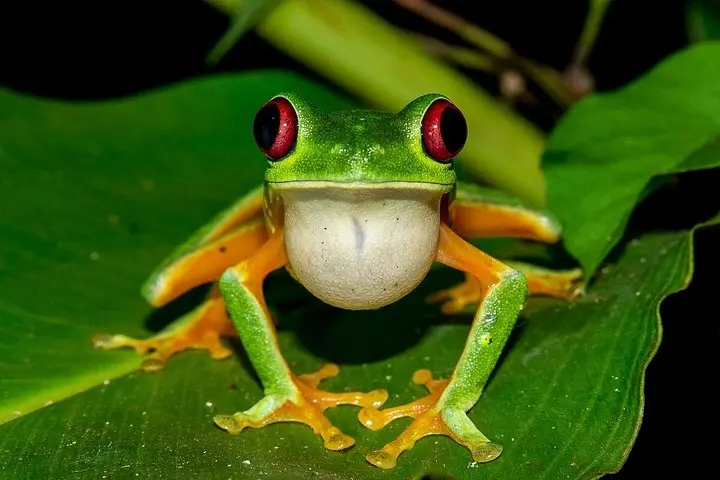
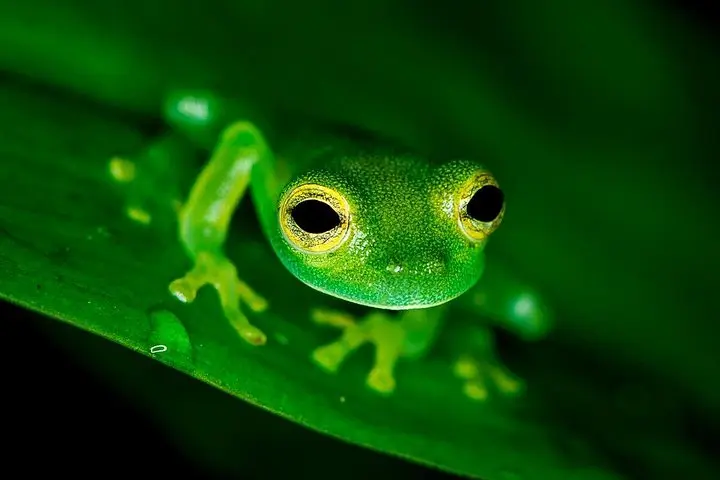
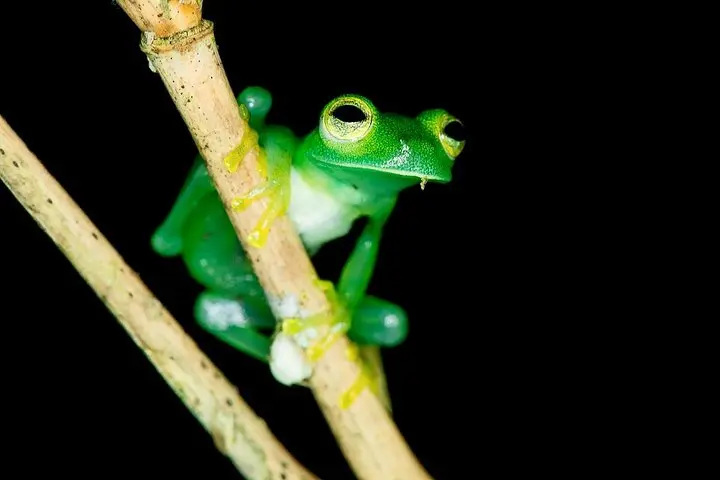
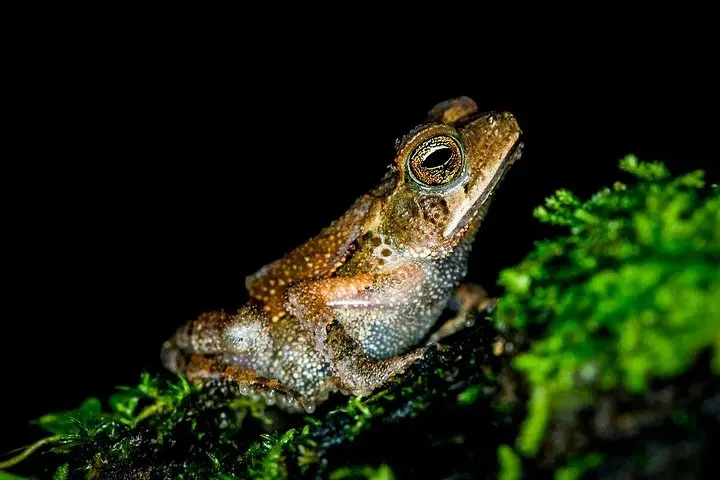
Expect an intimate, slow-paced walk that emphasizes listening as much as looking. Guides spotlight nocturnal species: bats that skim like thrown pebbles, the Jesus Christ lizard sprinting across water, owls perched like stoic landlords, and a chorus of frogs and insects that claims the night.
Practical notes: tours run about 2–2.5 hours and include dinner and air-conditioned transfers. Paths are damp and uneven; closed-toe shoes and a dependable headlamp matter. Bring insect repellent, a light rain layer in the wet season, and patience — silence rewards you with close wildlife encounters. Photography at night is possible but challenging; ask your guide about recommended settings and respectful distances. The tour suits most fitness levels and is a strong option for travelers seeking hands-on natural history after dark.
Yes — guides report the tour is suitable for most ages, but parents should consider younger children’s tolerance for night walks and uneven terrain.
Photography is allowed but difficult; use low-light settings or ask the guide for tips and stay at a respectful distance from wildlife.
Yes, the tour package includes dinner as noted in the inclusions.
Most bookings include air-conditioned transfers; confirm the pickup point on booking or meet at the Rainmaker Park rancho if preferred.
Costa Rica Jade Tours operates guided outdoor trips and adventures with an emphasis on safety, stewardship, and memorable experiences.
The trail opens under a velvet sky; headlamps carve a narrow tunnel through trunks that seem to breathe. On Rainmaker Park’s night tour a certified naturalist guides you along narrow boardwalks, where frogs call like soft alarms and the forest leans close, curious.
The trail opens under a velvet sky; headlamps carve a narrow tunnel through trunks that seem to breathe. On Rainmaker Park’s night tour a certified naturalist guides you along narrow boardwalks, where frogs call like soft alarms and the forest leans close, curious.
Rainmaker sits on low coastal slopes above Quepos and Manuel Antonio, part of the Puntarenas region’s humid rainforest belt. Geologically the area is young volcanic soil, rich and well-draining, which supports a dense understory and a high diversity of amphibians — including the harlequin frog that brought researchers here. The culture of nearby Quepos is fishing-and-forest centered, and conservation projects such as Rainmaker blend community tourism with research.
Expect an intimate, slow-paced walk that emphasizes listening as much as looking. Guides spotlight nocturnal species: bats that skim like thrown pebbles, the Jesus Christ lizard sprinting across water, owls perched like stoic landlords, and a chorus of frogs and insects that claims the night.
Practical notes: tours run about 2–2.5 hours and include dinner and air-conditioned transfers. Paths are damp and uneven; closed-toe shoes and a dependable headlamp matter. Bring insect repellent, a light rain layer in the wet season, and patience — silence rewards you with close wildlife encounters. Photography at night is possible but challenging; ask your guide about recommended settings and respectful distances. The tour suits most fitness levels and is a strong option for travelers seeking hands-on natural history after dark.