THE ADVENTURE COLLECTIVE® · Independent discovery and booking for outdoor travel

Paddle Tomonoura’s calm evening harbor to watch sea fireflies turn the water electric blue. This guided night-kayak experience combines easy paddling, local history, and a rare bioluminescent marine show—best June through October.
Paddle Tomonoura’s calm evening harbor to watch sea fireflies turn the water electric blue. This guided night-kayak experience combines easy paddling, local history, and a rare bioluminescent marine show—best June through October.
The sun slips behind low islands and a cool breeze pushes across the Seto Inland Sea as you push a kayak from Tomonoura Port into a darkening world.
Verified experiences and guided adventures in the surrounding area.
Operated by Attractive JAPAN · Tomonoura, Hiroshima Prefecture
The sun slips behind low islands and a cool breeze pushes across the Seto Inland Sea as you push a kayak from Tomonoura Port into a darkening world.
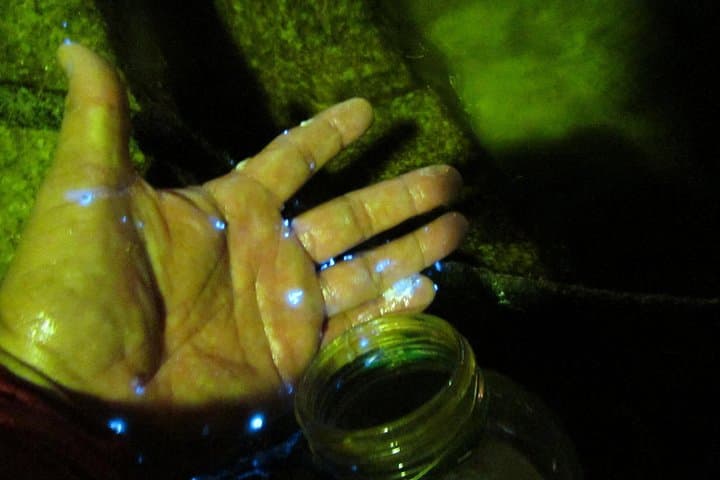
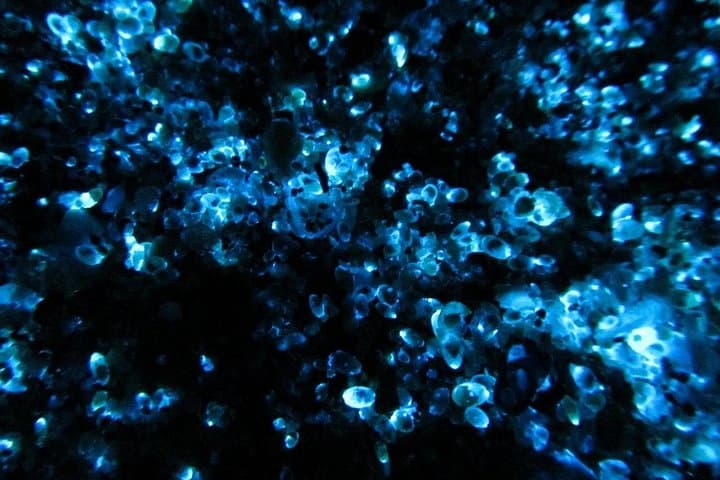
Paddling at dusk, local guides steer small groups toward Sensuijima, where a brief, surreal blue bloom can appear on the water—tiny bioluminescent sea fireflies (marine ostracods) that light up when the surface is disturbed. Tomonoura’s sheltered bays and narrow channels focus sound and light; an illuminated shrine gate and old stone warehouses line the harbor and give the night a human scale.
Tomonoura has been a working port for centuries, a stop for coastal shipping and a subject in Japanese art and film; its shallow cobbles and salt-weathered wooden piers speak to a maritime culture. Geologically the area sits within the calm waters of the Inland Sea, where small islands and moderate tides create pockets of nutrient-rich water that support bioluminescent life in summer months.
Practicalities: tours run June–October and typically begin after sunset, about 3.5–4 hours total. Expect an initial safety briefing, a short paddle to Sensuijima, and time anchored to watch and photograph the glow. Wear quick-drying layers, use a waterproof case for cameras or phones, and be prepared for changing wind and tide. The guides know where the concentrations form but sightings depend on tide, temperature, and light conditions; plan to stay overnight in Fukuyama or Tomonoura if you must catch the late return.
Sightings are most reliable during summer months (June–October) after sunset; exact timing depends on sunset and local conditions.
Yes—participants as young as 3 are allowed when accompanied by an adult, though comfort in a kayak and following instructions is required.
Tours may be canceled for safety due to wind, rain, or rough seas; operators typically notify guests the day before and offer full refunds if canceled.
There’s no shower on-site; running water is available at a nearby faucet and you should bring a change of clothes and towel.
Attractive JAPAN operates guided outdoor trips and adventures with an emphasis on safety, stewardship, and memorable experiences.
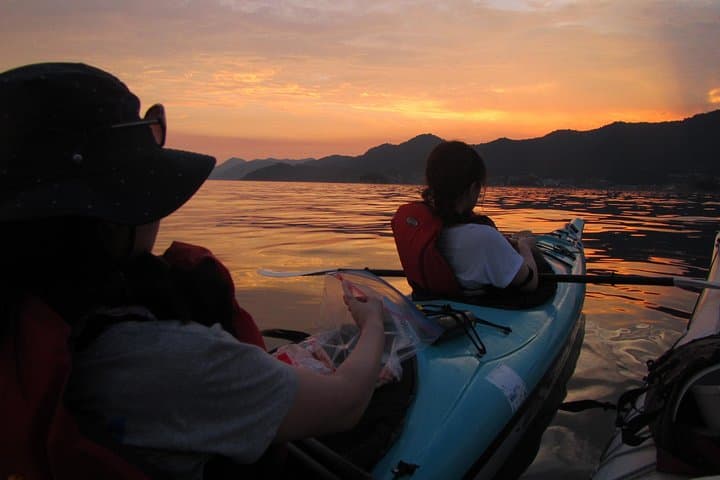
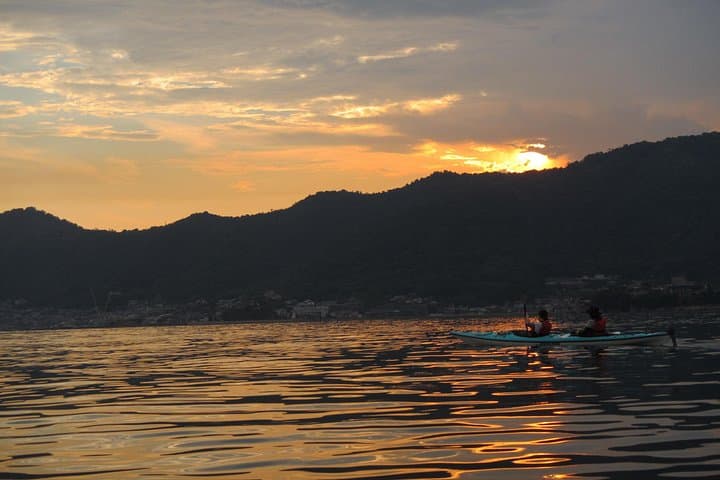
The sun slips behind low islands and a cool breeze pushes across the Seto Inland Sea as you push a kayak from Tomonoura Port into a darkening world.
The sun slips behind low islands and a cool breeze pushes across the Seto Inland Sea as you push a kayak from Tomonoura Port into a darkening world.
Paddling at dusk, local guides steer small groups toward Sensuijima, where a brief, surreal blue bloom can appear on the water—tiny bioluminescent sea fireflies (marine ostracods) that light up when the surface is disturbed. Tomonoura’s sheltered bays and narrow channels focus sound and light; an illuminated shrine gate and old stone warehouses line the harbor and give the night a human scale.
Tomonoura has been a working port for centuries, a stop for coastal shipping and a subject in Japanese art and film; its shallow cobbles and salt-weathered wooden piers speak to a maritime culture. Geologically the area sits within the calm waters of the Inland Sea, where small islands and moderate tides create pockets of nutrient-rich water that support bioluminescent life in summer months.
Practicalities: tours run June–October and typically begin after sunset, about 3.5–4 hours total. Expect an initial safety briefing, a short paddle to Sensuijima, and time anchored to watch and photograph the glow. Wear quick-drying layers, use a waterproof case for cameras or phones, and be prepared for changing wind and tide. The guides know where the concentrations form but sightings depend on tide, temperature, and light conditions; plan to stay overnight in Fukuyama or Tomonoura if you must catch the late return.