THE ADVENTURE COLLECTIVE® · Independent discovery and booking for outdoor travel

An evening at Gardenia blends live Balkan music, folk dance, and hearty Macedonian dishes. This 100-minute experience offers an accessible, convivial introduction to the region’s culinary and musical traditions.
An evening at Gardenia blends live Balkan music, folk dance, and hearty Macedonian dishes. This 100-minute experience offers an accessible, convivial introduction to the region’s culinary and musical traditions.
The lights inside Gardenia Restaurant settle like a warm hand on your shoulders as the first bouzouki chord rings out—voices rise, wooden shoes slap rhythm on the floor, and the Vardar outside seems to lean in, curious. You move from the entry into a room where scent and sound trade places: smoke of grilled meat, bright paprika, the sharp tang of ajvar, and the immediate pulse of a live ensemble.
Verified experiences and guided adventures in the surrounding area.
Operated by Restaurant Gardenia Skopje, Traditional Balkan Night · Skopje, Skopje
The lights inside Gardenia Restaurant settle like a warm hand on your shoulders as the first bouzouki chord rings out—voices rise, wooden shoes slap rhythm on the floor, and the Vardar outside seems to lean in, curious. You move from the entry into a room where scent and sound trade places: smoke of grilled meat, bright paprika, the sharp tang of ajvar, and the immediate pulse of a live ensemble.
Skopje’s position on the Vardar River has long made it a crossroads: Roman roads, Ottoman bazaars, and Yugoslav-era modernism all left traces that shape the city’s culinary and musical vocabulary. Macedonian folk modes—long, laminar melodies and energetic kolo dances—reflect the uplands and valleys of the Balkans, where shepherding and market trade produced robust communal music meant for movement and memory.
At table you’ll find Shopska salad, cheese-stuffed pljeskavica, and desserts built around walnuts and honey—simple ingredients with deliberate technique. The choreography of song and dance is both staged and invitational: you can watch, or the host will coax you into the fold.
Practical notes: book in advance to secure a good seat for the performers; arrive 10–15 minutes early to order drinks and settle in. Wear comfortable shoes if you plan to join the dances, and flag dietary needs when you book. Public transit serves the area; the venue is wheelchair accessible. Expect about 100 minutes of performance and meal—enough time to taste, listen, and leave with a clearer sense of why Balkan nights still gather people around food, rhythm, and shared steps.
Yes—performances are family-friendly and the venue accommodates strollers; check seating options when booking.
Yes—notify the operator during booking about allergies or dietary needs and they will adjust the menu when possible.
Arrive 10–15 minutes before start to order drinks and settle; bus and taxi access are straightforward from central Skopje.
Photography is generally permitted; be respectful during performances and avoid using flash that might disrupt musicians or dancers.
Restaurant Gardenia Skopje, Traditional Balkan Night operates guided outdoor trips and adventures with an emphasis on safety, stewardship, and memorable experiences.
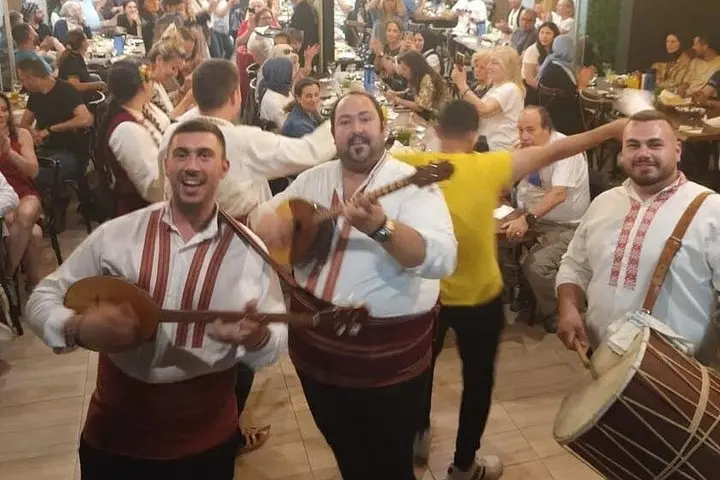
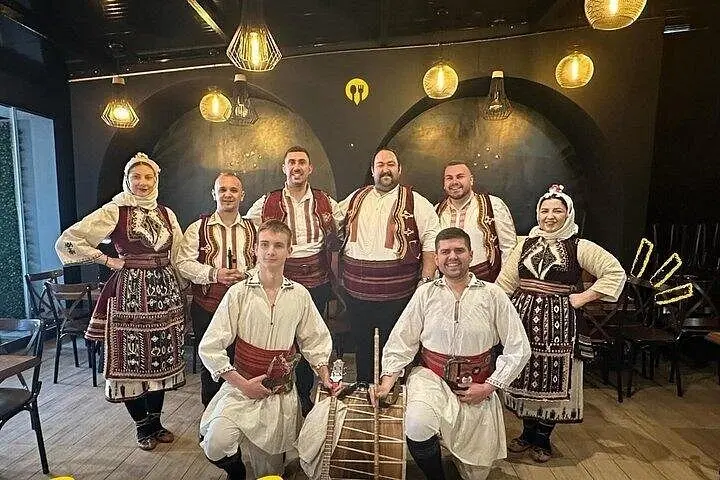
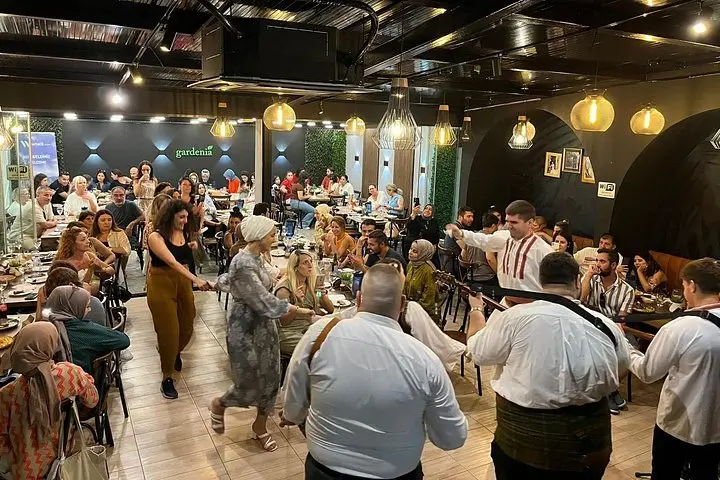
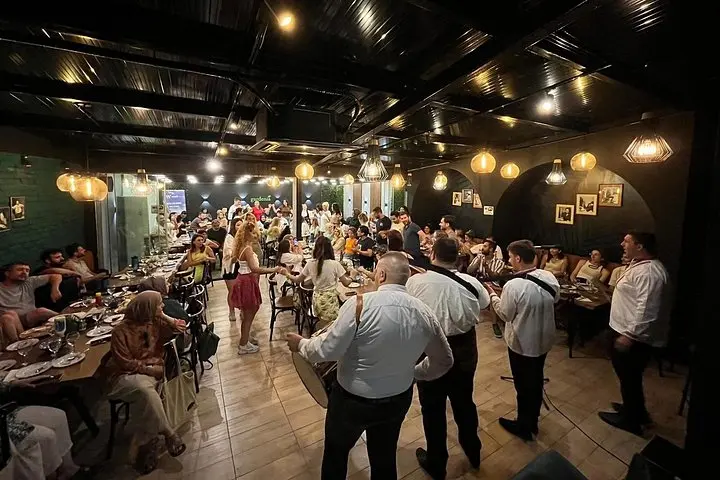
The lights inside Gardenia Restaurant settle like a warm hand on your shoulders as the first bouzouki chord rings out—voices rise, wooden shoes slap rhythm on the floor, and the Vardar outside seems to lean in, curious. You move from the entry into a room where scent and sound trade places: smoke of grilled meat, bright paprika, the sharp tang of ajvar, and the immediate pulse of a live ensemble.
The lights inside Gardenia Restaurant settle like a warm hand on your shoulders as the first bouzouki chord rings out—voices rise, wooden shoes slap rhythm on the floor, and the Vardar outside seems to lean in, curious. You move from the entry into a room where scent and sound trade places: smoke of grilled meat, bright paprika, the sharp tang of ajvar, and the immediate pulse of a live ensemble.
Skopje’s position on the Vardar River has long made it a crossroads: Roman roads, Ottoman bazaars, and Yugoslav-era modernism all left traces that shape the city’s culinary and musical vocabulary. Macedonian folk modes—long, laminar melodies and energetic kolo dances—reflect the uplands and valleys of the Balkans, where shepherding and market trade produced robust communal music meant for movement and memory.
At table you’ll find Shopska salad, cheese-stuffed pljeskavica, and desserts built around walnuts and honey—simple ingredients with deliberate technique. The choreography of song and dance is both staged and invitational: you can watch, or the host will coax you into the fold.
Practical notes: book in advance to secure a good seat for the performers; arrive 10–15 minutes early to order drinks and settle in. Wear comfortable shoes if you plan to join the dances, and flag dietary needs when you book. Public transit serves the area; the venue is wheelchair accessible. Expect about 100 minutes of performance and meal—enough time to taste, listen, and leave with a clearer sense of why Balkan nights still gather people around food, rhythm, and shared steps.