THE ADVENTURE COLLECTIVE® · Independent discovery and booking for outdoor travel

Explore St. Augustine after dark with EMF meters and infrared cameras during a guided investigation at the Oldest Wooden School House. Learn documented history, test paranormal tools, and collect evidence in small groups.
Explore St. Augustine after dark with EMF meters and infrared cameras during a guided investigation at the Oldest Wooden School House. Learn documented history, test paranormal tools, and collect evidence in small groups.
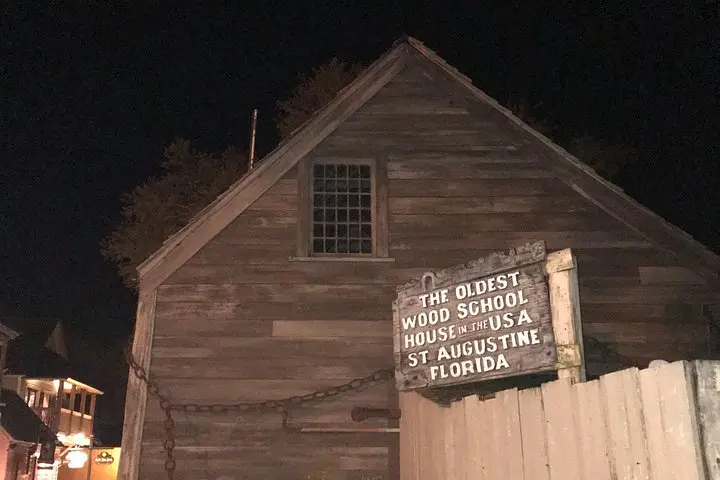
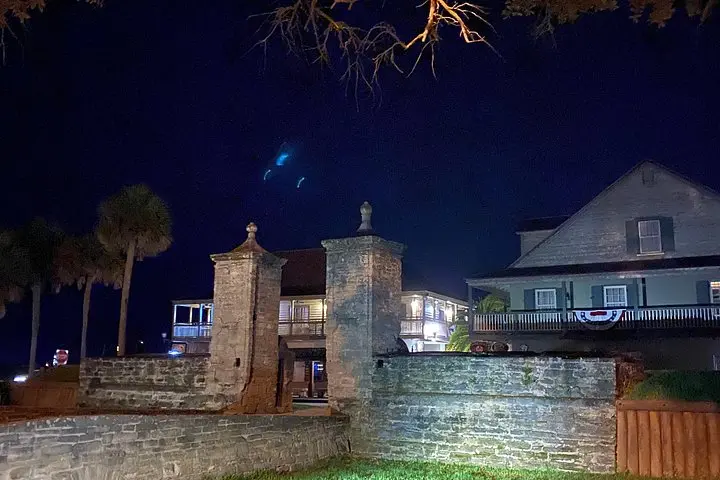
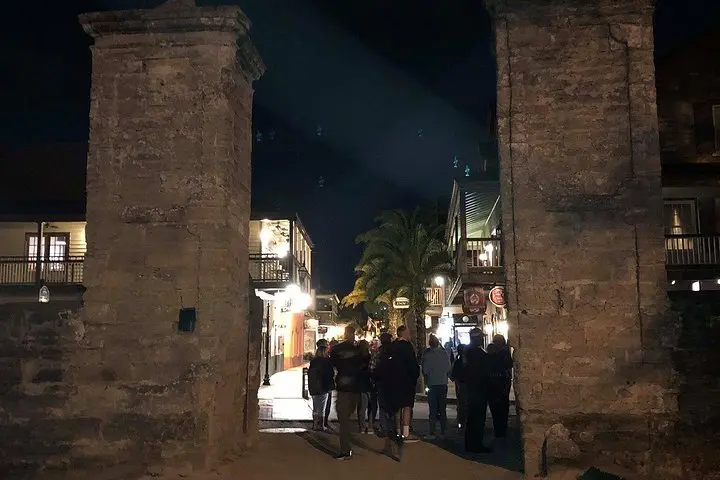
The streetlamps along St. George Street thin into pools of amber as a small group gathers next to the Oldest Wooden School House. Night leverages every shadow—windows cradle silhouettes, and the Atlantic breeze nudges the Spanish moss—creating a tight stage for an investigation that feels equal parts history lesson and equipment test.
Verified experiences and guided adventures in the surrounding area.
Operated by A Ghostly Encounter · St. Augustine, Florida
The streetlamps along St. George Street thin into pools of amber as a small group gathers next to the Oldest Wooden School House. Night leverages every shadow—windows cradle silhouettes, and the Atlantic breeze nudges the Spanish moss—creating a tight stage for an investigation that feels equal parts history lesson and equipment test.
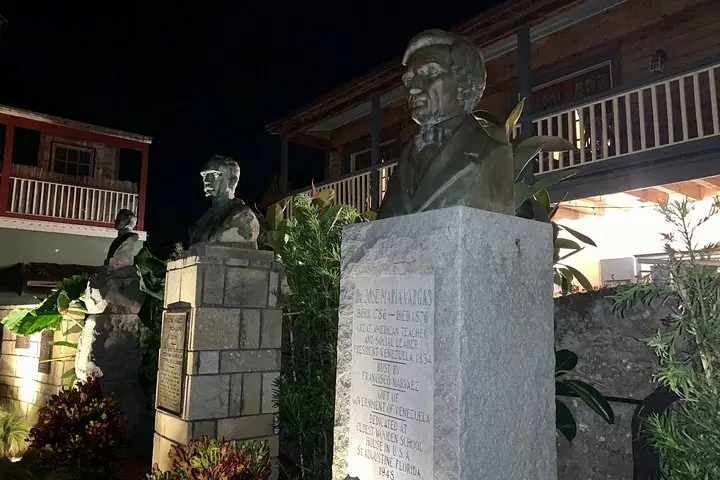
The School House appears in tax rolls as early as 1716 and was purchased in 1780 by Juan Genopoly; it served as a community school from 1788 with records suggesting the last class around 1864. Built of native pine and carried through centuries of salt air and storms, the structure itself is part artifact, part witness. St. Augustine’s limestone core and coastal position shaped its streets and stories—wars, trade, and epidemics left layers of human drama that local guides weave into ghost lore.
Expect a paced, small-group walk: your guide frames recorded accounts and local legends, then hands you EMF meters, infrared-capable cameras, and temperature gauges to test thresholds and collect data. This isn’t theatrics—participants use tools, document anomalies, and compare notes under low-light conditions. The city’s nocturnal sounds—distant waves, the hush of palm fronds—seem to lean in and listen.
Practicalities matter: tours start at the storefront on St. George Street; arrive early to sign waivers and get fitted for tools. Charge cameras and phones, wear closed-toe shoes for uneven sidewalks, and bring a light jacket for coastal evenings. Note health advisories: the experience is low-exertion but not recommended for those with serious cardiovascular concerns or for pregnant travelers. Respect the site: stay with the group, avoid touching artifacts, and leave no trace of your investigation.
The tour emphasizes investigation and history rather than jump scares; expect atmospheric tension during low-light documentation rather than theatrical frights.
Yes — you may bring your own tools, though a full assortment is provided; staff will brief you on safe and permitted use.
The experience is suitable for most ages physically, but content and low-light conditions may be unsettling for young children — check with the operator before booking.
The historic wooden structure and some outdoor routes include uneven surfaces and limited accessibility; contact the operator for specific accommodations before booking.
A Ghostly Encounter operates guided outdoor trips and adventures with an emphasis on safety, stewardship, and memorable experiences.
The streetlamps along St. George Street thin into pools of amber as a small group gathers next to the Oldest Wooden School House. Night leverages every shadow—windows cradle silhouettes, and the Atlantic breeze nudges the Spanish moss—creating a tight stage for an investigation that feels equal parts history lesson and equipment test.
The streetlamps along St. George Street thin into pools of amber as a small group gathers next to the Oldest Wooden School House. Night leverages every shadow—windows cradle silhouettes, and the Atlantic breeze nudges the Spanish moss—creating a tight stage for an investigation that feels equal parts history lesson and equipment test.
The School House appears in tax rolls as early as 1716 and was purchased in 1780 by Juan Genopoly; it served as a community school from 1788 with records suggesting the last class around 1864. Built of native pine and carried through centuries of salt air and storms, the structure itself is part artifact, part witness. St. Augustine’s limestone core and coastal position shaped its streets and stories—wars, trade, and epidemics left layers of human drama that local guides weave into ghost lore.
Expect a paced, small-group walk: your guide frames recorded accounts and local legends, then hands you EMF meters, infrared-capable cameras, and temperature gauges to test thresholds and collect data. This isn’t theatrics—participants use tools, document anomalies, and compare notes under low-light conditions. The city’s nocturnal sounds—distant waves, the hush of palm fronds—seem to lean in and listen.
Practicalities matter: tours start at the storefront on St. George Street; arrive early to sign waivers and get fitted for tools. Charge cameras and phones, wear closed-toe shoes for uneven sidewalks, and bring a light jacket for coastal evenings. Note health advisories: the experience is low-exertion but not recommended for those with serious cardiovascular concerns or for pregnant travelers. Respect the site: stay with the group, avoid touching artifacts, and leave no trace of your investigation.