THE ADVENTURE COLLECTIVE® · Independent discovery and booking for outdoor travel

Strap into a KUHL-tuned 600HP GT-R35 and race Tokyo’s illuminated arteries toward the famed Daikoku parking meet. This 2–3 hour private drive delivers skyline views, iconic landmarks, and a close-up of Japan’s car-culture scene.
Strap into a KUHL-tuned 600HP GT-R35 and race Tokyo’s illuminated arteries toward the famed Daikoku parking meet. This 2–3 hour private drive delivers skyline views, iconic landmarks, and a close-up of Japan’s car-culture scene.
The engine settles into a low, impatient growl as the city lights sweep past—Shinjuku’s glass towers flicker and the Rainbow Bridge arches like a lit ribbon. Riding shotgun in a KUHL-tuned GT-R35 (600HP) on Tokyo’s elevated arteries feels less like a transfer and more like a short, focused performance: rapid acceleration between skyscrapers, neon reflections on wet pavement, and the sudden solitude of the WanGan expressway as it leads toward Daikoku.
Verified experiences and guided adventures in the surrounding area.
Operated by Team Open Tours · Tokyo, Tokyo
The engine settles into a low, impatient growl as the city lights sweep past—Shinjuku’s glass towers flicker and the Rainbow Bridge arches like a lit ribbon. Riding shotgun in a KUHL-tuned GT-R35 (600HP) on Tokyo’s elevated arteries feels less like a transfer and more like a short, focused performance: rapid acceleration between skyscrapers, neon reflections on wet pavement, and the sudden solitude of the WanGan expressway as it leads toward Daikoku.
Tokyo’s car culture grew alongside postwar highway expansion; Daikoku Futo became a de facto showroom where enthusiasts gather to compare builds and swap parts. The route stitches together modern engineering and urban theater—Tokyo Tower’s orange silhouette, Shinjuku’s illuminated canyon, and the engineered sweep of Rainbow Bridge—each landmark a stage light for the car’s sound and pace.
Expect a mix of cityscape spectacle and automotive subculture. The drive is primarily on fast, elevated roads; traffic is lighter at night but Daikoku can close without notice. The trip is family-friendly, limited to three passengers unless a van is requested, and vehicles are insured.
Practical tips: bring ID for pickup, use ear protection if you’re sensitive to noise, and plan for photos during quieter stretches (drivers won’t stop on busy highways). Dress in layers—tunnels and bridges can change temperature quickly—and allow the guide to manage speed and local regulations. This is a sensory, low-effort way to feel Tokyo’s scale and the pulse of JDM performance without needing to wrench on a car yourself.
The car seats up to three passengers; if you have more than three people a van option is available—confirm at booking.
The itinerary includes drive-bys of major landmarks and a longer stop at the Daikoku parking area; drivers will pause where safe and permitted.
Yes, the tour is child-friendly but ensure children are secured in appropriate seats and consider requesting the van for extra space.
Operators will adjust the route to other scenic elevated stretches or return to a designated showroom stop; confirm cancellation policy and alternatives when you book.
Team Open Tours operates guided outdoor trips and adventures with an emphasis on safety, stewardship, and memorable experiences.


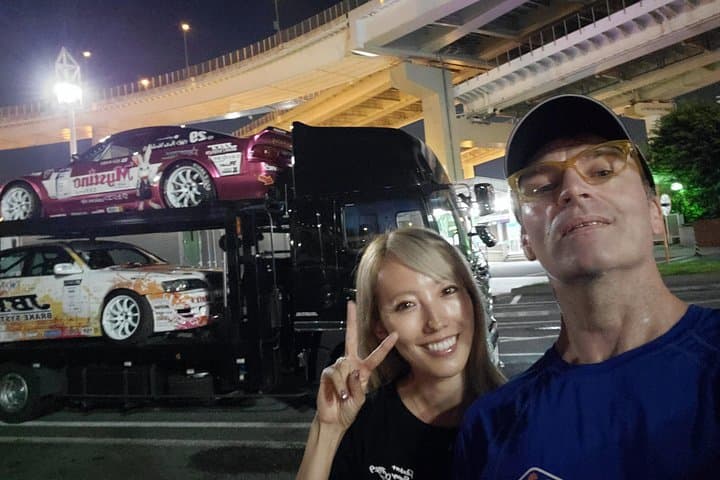
The engine settles into a low, impatient growl as the city lights sweep past—Shinjuku’s glass towers flicker and the Rainbow Bridge arches like a lit ribbon. Riding shotgun in a KUHL-tuned GT-R35 (600HP) on Tokyo’s elevated arteries feels less like a transfer and more like a short, focused performance: rapid acceleration between skyscrapers, neon reflections on wet pavement, and the sudden solitude of the WanGan expressway as it leads toward Daikoku.
The engine settles into a low, impatient growl as the city lights sweep past—Shinjuku’s glass towers flicker and the Rainbow Bridge arches like a lit ribbon. Riding shotgun in a KUHL-tuned GT-R35 (600HP) on Tokyo’s elevated arteries feels less like a transfer and more like a short, focused performance: rapid acceleration between skyscrapers, neon reflections on wet pavement, and the sudden solitude of the WanGan expressway as it leads toward Daikoku.
Tokyo’s car culture grew alongside postwar highway expansion; Daikoku Futo became a de facto showroom where enthusiasts gather to compare builds and swap parts. The route stitches together modern engineering and urban theater—Tokyo Tower’s orange silhouette, Shinjuku’s illuminated canyon, and the engineered sweep of Rainbow Bridge—each landmark a stage light for the car’s sound and pace.
Expect a mix of cityscape spectacle and automotive subculture. The drive is primarily on fast, elevated roads; traffic is lighter at night but Daikoku can close without notice. The trip is family-friendly, limited to three passengers unless a van is requested, and vehicles are insured.
Practical tips: bring ID for pickup, use ear protection if you’re sensitive to noise, and plan for photos during quieter stretches (drivers won’t stop on busy highways). Dress in layers—tunnels and bridges can change temperature quickly—and allow the guide to manage speed and local regulations. This is a sensory, low-effort way to feel Tokyo’s scale and the pulse of JDM performance without needing to wrench on a car yourself.