THE ADVENTURE COLLECTIVE® · Independent discovery and booking for outdoor travel

Explore Singapore’s Night Safari by tram and on foot: an after-dark wildlife experience that showcases nocturnal mammals in naturalistic habitats. Practical tips on timing, photography rules, and walking trails to help you plan your visit.
Explore Singapore’s Night Safari by tram and on foot: an after-dark wildlife experience that showcases nocturnal mammals in naturalistic habitats. Practical tips on timing, photography rules, and walking trails to help you plan your visit.
You step off the tram into humid darkness broken by the soft crunch of leaf litter and the low, curious calls of animals waking to the night.
The Night Safari in Mandai unfolds like a living map of Southeast Asia’s nocturnal life — channels of moonlit water, open savannah vistas, and enclosed rainforest pockets designed to let animals move as they would after dusk.
Opened in 1994 as the world’s first nocturnal wildlife park, the Night Safari was conceived to showcase animals on their natural schedules rather than reverse them for display. The terrain sits on reclaimed secondary forest above Singapore’s sandstone foundations; geology here is less dramatic than the ecosystems it supports, but the park’s design borrows natural barriers — moats, subtle grading, and vegetation — to separate species without bars.
Local culture around Mandai mixes conservation storytelling with family-friendly entertainment: expect live animal demonstrations, interpretive signage, and eateries that stay open into the evening.
Practically, plan for a 90–120 minute visit if you take the tram and a single walking trail; budget more time if you linger at viewing shelters or show times. No-flash photography is enforced — flashes startle nocturnal species — and the tram is the easiest way to cover the park’s larger habitats. Walks like the Leopard Trail offer closer, quieter viewing but include uneven steps and dim paths. Hydrate before you arrive, wear closed-toe shoes with good traction, and carry a light jacket or poncho for sudden tropical showers. If you want a calmer experience, aim for the first tram after opening when animals are actively moving and the air is cooler.
Verified experiences and guided adventures in the surrounding area.
Operated by YTS Holidays Co. Ltd · Singapore, Singapore
You step off the tram into humid darkness broken by the soft crunch of leaf litter and the low, curious calls of animals waking to the night.
The Night Safari in Mandai unfolds like a living map of Southeast Asia’s nocturnal life — channels of moonlit water, open savannah vistas, and enclosed rainforest pockets designed to let animals move as they would after dusk.
Opened in 1994 as the world’s first nocturnal wildlife park, the Night Safari was conceived to showcase animals on their natural schedules rather than reverse them for display. The terrain sits on reclaimed secondary forest above Singapore’s sandstone foundations; geology here is less dramatic than the ecosystems it supports, but the park’s design borrows natural barriers — moats, subtle grading, and vegetation — to separate species without bars.
Local culture around Mandai mixes conservation storytelling with family-friendly entertainment: expect live animal demonstrations, interpretive signage, and eateries that stay open into the evening.
Practically, plan for a 90–120 minute visit if you take the tram and a single walking trail; budget more time if you linger at viewing shelters or show times. No-flash photography is enforced — flashes startle nocturnal species — and the tram is the easiest way to cover the park’s larger habitats. Walks like the Leopard Trail offer closer, quieter viewing but include uneven steps and dim paths. Hydrate before you arrive, wear closed-toe shoes with good traction, and carry a light jacket or poncho for sudden tropical showers. If you want a calmer experience, aim for the first tram after opening when animals are actively moving and the air is cooler.
Yes — the standard Night Safari ticket includes the guided tram ride that covers the park’s major habitats.
Most public areas, trams, and dining spots are wheelchair accessible; some walking trails have steps and uneven surfaces.
Infants may sit on laps and strollers are allowed; check stroller clearance at tram boarding areas.
A typical visit with the tram and one or two trails is about 2 hours; showtimes or lingering at exhibits can extend your visit to 3+ hours.
YTS Holidays Co. Ltd operates guided outdoor trips and adventures with an emphasis on safety, stewardship, and memorable experiences.
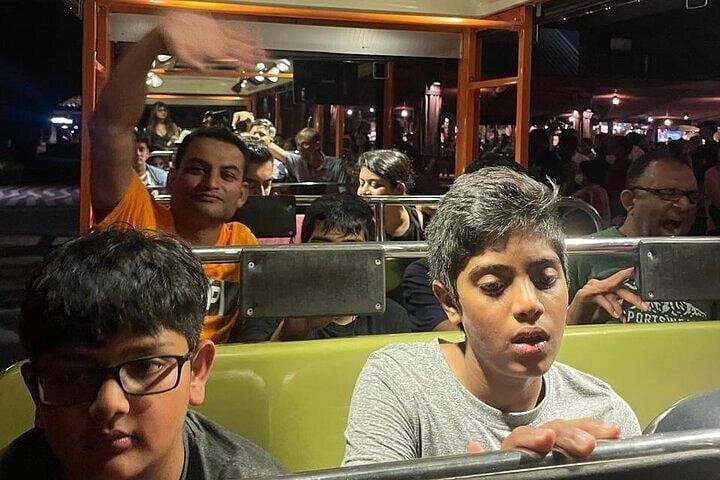
You step off the tram into humid darkness broken by the soft crunch of leaf litter and the low, curious calls of animals waking to the night.
The Night Safari in Mandai unfolds like a living map of Southeast Asia’s nocturnal life — channels of moonlit water, open savannah vistas, and enclosed rainforest pockets designed to let animals move as they would after dusk.
Opened in 1994 as the world’s first nocturnal wildlife park, the Night Safari was conceived to showcase animals on their natural schedules rather than reverse them for display. The terrain sits on reclaimed secondary forest above Singapore’s sandstone foundations; geology here is less dramatic than the ecosystems it supports, but the park’s design borrows natural barriers — moats, subtle grading, and vegetation — to separate species without bars.
Local culture around Mandai mixes conservation storytelling with family-friendly entertainment: expect live animal demonstrations, interpretive signage, and eateries that stay open into the evening.
Practically, plan for a 90–120 minute visit if you take the tram and a single walking trail; budget more time if you linger at viewing shelters or show times. No-flash photography is enforced — flashes startle nocturnal species — and the tram is the easiest way to cover the park’s larger habitats. Walks like the Leopard Trail offer closer, quieter viewing but include uneven steps and dim paths. Hydrate before you arrive, wear closed-toe shoes with good traction, and carry a light jacket or poncho for sudden tropical showers. If you want a calmer experience, aim for the first tram after opening when animals are actively moving and the air is cooler.