THE ADVENTURE COLLECTIVE® · Independent discovery and booking for outdoor travel

Swap sunlit reefs for a world lit by beams and bioluminescence — Mirissa’s night dives reveal shrimps, crabs and sleeping reef fish that vanish by day. Read practical tips on what to expect, seasonal timing, and how to prepare for your first nocturnal descent.
Swap sunlit reefs for a world lit by beams and bioluminescence — Mirissa’s night dives reveal shrimps, crabs and sleeping reef fish that vanish by day. Read practical tips on what to expect, seasonal timing, and how to prepare for your first nocturnal descent.
Salt and torchlight cut through black water as your guide signals and the reef blooms into life — fluorescent shrimp flash, squat lobsters clamp to ledges and sleeping parrotfish brace in the sand. A night dive off Mirissa turns the familiar into foreign; every crevice feels like a small stage for creatures that hide by day and hunt by night.
Verified experiences and guided adventures in the surrounding area.
Operated by ZRI Adventures · Mirissa, Southern Province
Salt and torchlight cut through black water as your guide signals and the reef blooms into life — fluorescent shrimp flash, squat lobsters clamp to ledges and sleeping parrotfish brace in the sand. A night dive off Mirissa turns the familiar into foreign; every crevice feels like a small stage for creatures that hide by day and hunt by night.
Geologically the south coast of Sri Lanka is a mix of shallow fringing reefs, rocky headlands and coral bommies formed on a continental shelf that drops away into deeper blue. Historically, Mirissa grew as a fishing and cinnamon port; today its nights are shared by fishermen, whale-watchers and a growing dive scene that respects local fishing rhythms.
Culturally, expect simple coastal hospitality — small dive shops, fishing boats and cafés open late to serve divers. Local crews typically run guided night dives from small boats, using handheld dive lights and surface cover. Marine life highlights include cephalopods, shrimps, crabs and night-active reef fish; while larger species are less common after dark.
Practical guidance: arrive rested, brief thoroughly on hand signals and light discipline, and carry a reliable primary dive light plus a backup. Surface conditions can be calm in season but changeable; plan hotel pickup and dress for humid evenings. Most night dives last about 60–90 minutes in-water and require neutral buoyancy and comfort with low-visibility navigation. If you’re new to night diving, book a guided introductory night dive with an experienced local instructor who provides equipment and a safety brief.
Most operators require at least an Open Water certification; some offer guided introductory night dives with an instructor—check the operator’s requirements before booking.
Expect night-active species: shrimp, crabs, moray eels, cephalopods, sleeping reef fish and occasional larger visitors depending on season and location.
With a reputable operator, proper briefings, boat cover and experienced guides, night dives are routinely conducted safely; always follow guide instructions and buddy procedures.
The most reliable conditions are in the dry season (roughly November–April); avoid the southwest monsoon months (May–September) when seas can be rougher.
ZRI Adventures operates guided outdoor trips and adventures with an emphasis on safety, stewardship, and memorable experiences.
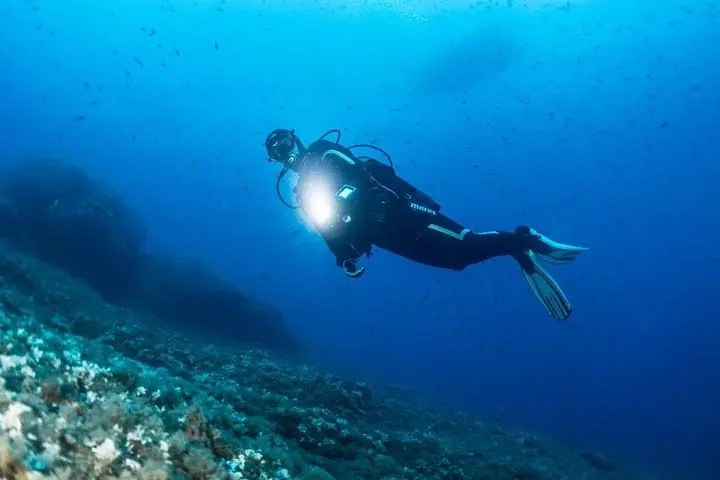
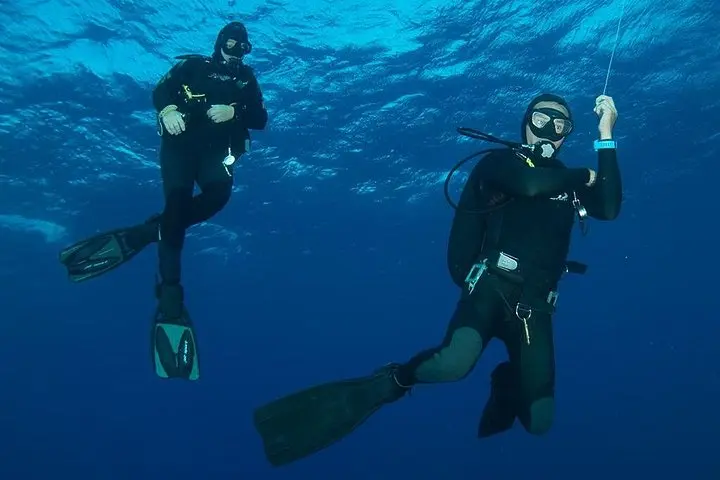
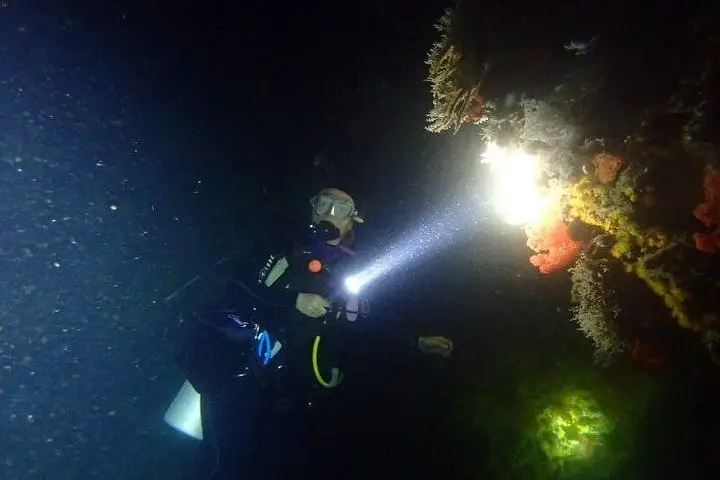
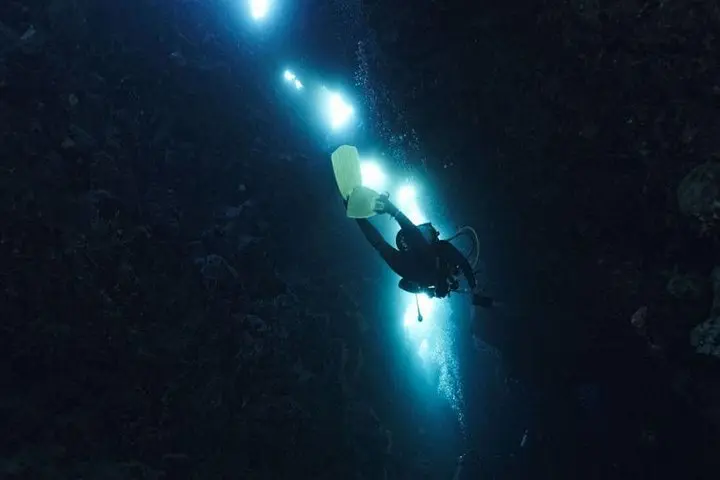
Salt and torchlight cut through black water as your guide signals and the reef blooms into life — fluorescent shrimp flash, squat lobsters clamp to ledges and sleeping parrotfish brace in the sand. A night dive off Mirissa turns the familiar into foreign; every crevice feels like a small stage for creatures that hide by day and hunt by night.
Salt and torchlight cut through black water as your guide signals and the reef blooms into life — fluorescent shrimp flash, squat lobsters clamp to ledges and sleeping parrotfish brace in the sand. A night dive off Mirissa turns the familiar into foreign; every crevice feels like a small stage for creatures that hide by day and hunt by night.
Geologically the south coast of Sri Lanka is a mix of shallow fringing reefs, rocky headlands and coral bommies formed on a continental shelf that drops away into deeper blue. Historically, Mirissa grew as a fishing and cinnamon port; today its nights are shared by fishermen, whale-watchers and a growing dive scene that respects local fishing rhythms.
Culturally, expect simple coastal hospitality — small dive shops, fishing boats and cafés open late to serve divers. Local crews typically run guided night dives from small boats, using handheld dive lights and surface cover. Marine life highlights include cephalopods, shrimps, crabs and night-active reef fish; while larger species are less common after dark.
Practical guidance: arrive rested, brief thoroughly on hand signals and light discipline, and carry a reliable primary dive light plus a backup. Surface conditions can be calm in season but changeable; plan hotel pickup and dress for humid evenings. Most night dives last about 60–90 minutes in-water and require neutral buoyancy and comfort with low-visibility navigation. If you’re new to night diving, book a guided introductory night dive with an experienced local instructor who provides equipment and a safety brief.