THE ADVENTURE COLLECTIVE® · Independent discovery and booking for outdoor travel

Explore Minneapolis after dark on a guided 90–120 minute ghost walk that links riverfront ruins, theater lore, and mill tragedies. This downtown tour pairs local history with atmospheric stops ideal for curious walkers.
Explore Minneapolis after dark on a guided 90–120 minute ghost walk that links riverfront ruins, theater lore, and mill tragedies. This downtown tour pairs local history with atmospheric stops ideal for curious walkers.
The tour begins beneath the cold glow of a streetlamp at Mill Ruins Park, where cobblestones hush footfalls and the Mississippi murmurs beneath the bridge.
Walkers move through alleys and along riverfront promenades as a guide threads local lore into the cityscape — a pragmatic storyteller pointing out brick scars and cast-iron relics that still hold stories.
Verified experiences and guided adventures in the surrounding area.
Operated by American Ghost Walks - Minnesota · Minneapolis, Minnesota
The tour begins beneath the cold glow of a streetlamp at Mill Ruins Park, where cobblestones hush footfalls and the Mississippi murmurs beneath the bridge.
Walkers move through alleys and along riverfront promenades as a guide threads local lore into the cityscape — a pragmatic storyteller pointing out brick scars and cast-iron relics that still hold stories.
This route follows the spine of Minneapolis’ industrial rise: 19th-century flour mills, the bygone warehouses of St. Anthony Main, and the Foshay Tower’s 1920s skyline ambition. Geology here is subtle but present — the river’s gorge carved into St. Peter sandstone and glacial deposits that shaped the falls and powered early milling. Culture and myth converge: immigrant labor histories, river tragedies, and theater scandals have all fed the city’s darker folklore.
Expect a paced, 90–120 minute urban walk of mostly flat, paved surfaces with brief stairs and uneven historic stones. Guides stop at former execution sites, the old train depot, and mill ruins to explain events that spawned hauntings; these are interpretive stops, not investigations. Practicals: dress for the weather, bring a headlamp on after-dark departures, and wear supportive shoes for mixed pavement and cobble. Public transit and paid parking are close; tours are accessible for strollers and many mobility needs but check ahead for specifics. The tone is more storytelling than supernatural proof — it’s a way to read the city’s past aloud while feeling the present night air press close.
Meet in front of the sign at the entrance to Mill Ruins Park; the tour returns to the same spot at the end.
Tours welcome strollers and are generally wheelchair accessible but contact the operator about specific mobility accommodations before booking.
No — this is a guided storytelling and history walk, focused on local lore and documented events rather than ghost-hunting equipment.
Tours may be canceled for severe weather; the operator notifies ticket holders and offers rescheduling options when possible.
American Ghost Walks - Minnesota operates guided outdoor trips and adventures with an emphasis on safety, stewardship, and memorable experiences.
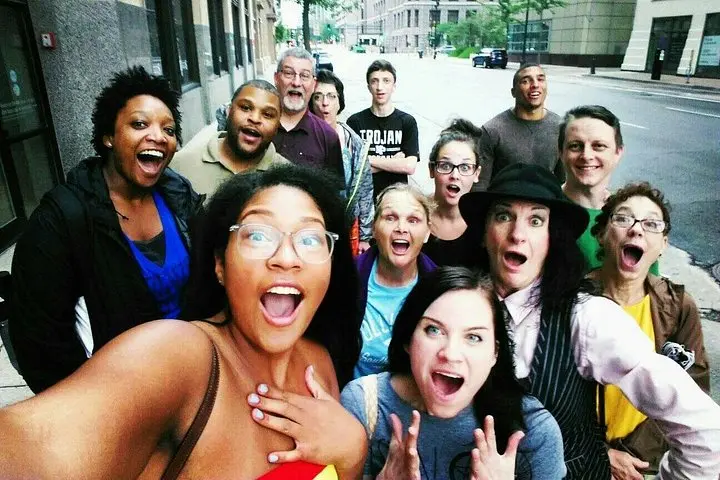
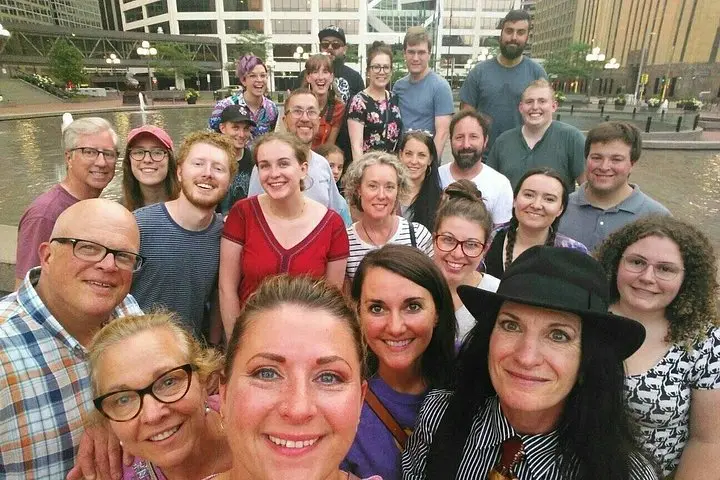
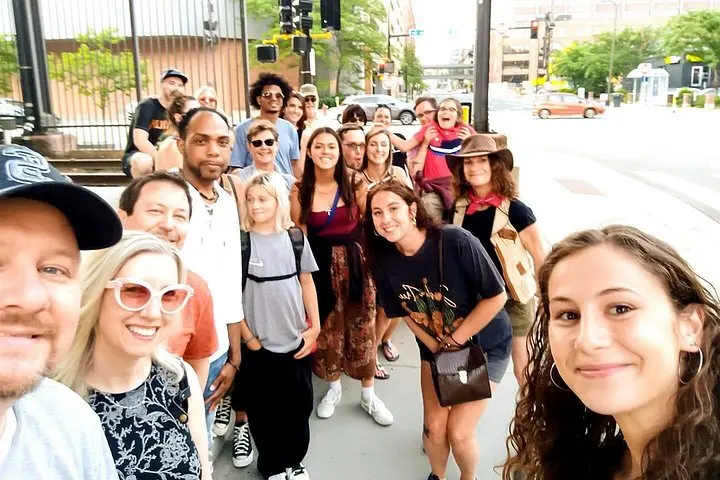
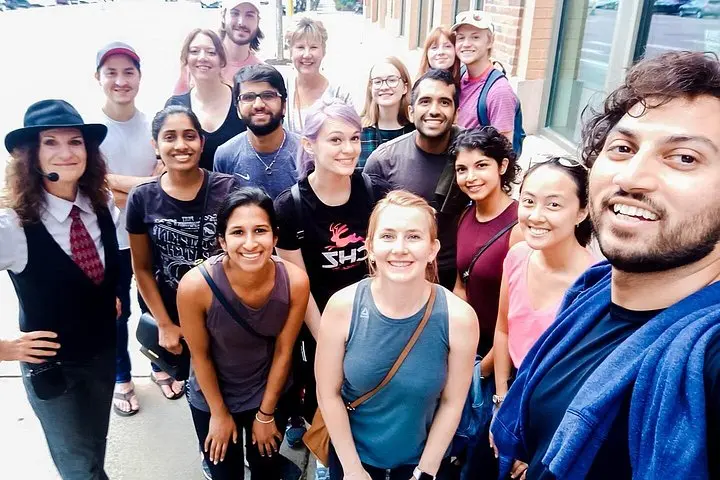
The tour begins beneath the cold glow of a streetlamp at Mill Ruins Park, where cobblestones hush footfalls and the Mississippi murmurs beneath the bridge.
Walkers move through alleys and along riverfront promenades as a guide threads local lore into the cityscape — a pragmatic storyteller pointing out brick scars and cast-iron relics that still hold stories.
This route follows the spine of Minneapolis’ industrial rise: 19th-century flour mills, the bygone warehouses of St. Anthony Main, and the Foshay Tower’s 1920s skyline ambition. Geology here is subtle but present — the river’s gorge carved into St. Peter sandstone and glacial deposits that shaped the falls and powered early milling. Culture and myth converge: immigrant labor histories, river tragedies, and theater scandals have all fed the city’s darker folklore.
Expect a paced, 90–120 minute urban walk of mostly flat, paved surfaces with brief stairs and uneven historic stones. Guides stop at former execution sites, the old train depot, and mill ruins to explain events that spawned hauntings; these are interpretive stops, not investigations. Practicals: dress for the weather, bring a headlamp on after-dark departures, and wear supportive shoes for mixed pavement and cobble. Public transit and paid parking are close; tours are accessible for strollers and many mobility needs but check ahead for specifics. The tone is more storytelling than supernatural proof — it’s a way to read the city’s past aloud while feeling the present night air press close.